



How do officer accountability body cameras improve transparency in law enforcement
Officer accountability body cameras fundamentally transform law enforcement transparency by creating objective visual records of interactions between officers and the public. These specialized devices deliver tamper-proof documentation that eliminates ambiguity in contested situations. Unlike smartphones or consumer-grade cameras, these professional recording systems employ military-grade AES256 encryption and pre-event buffering features that capture critical seconds before officers activate recording. The technology automatically timestamps footage with GPS coordinates, creating an unbreakable chain of custody that courts recognize as reliable evidence. This immediate, verifiable documentation addresses the longstanding challenge of conflicting witness accounts while simultaneously protecting both officers and civilians through impartial recording.
Understanding Officer Accountability Body Cameras
These days, police work needs more than just simple recorders. They need technology that was made to solve the problems that police face. Years of technical work have gone into making these high-tech wearable systems that work reliably in harsh circumstances.
What Sets These Devices Apart From Consumer Cameras
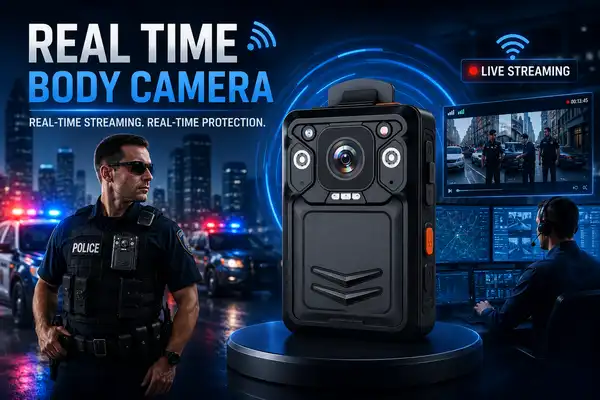
Professional-grade body-worn cameras are made to be tough and waterproof up to IP67 standards, and they can also withstand drops from 2 meters. With its small 84.5mm x 56.3mm x 27.3mm size and light 140-gram weight, the ISHOOP Real Time Body Camera is a great example of this way of thinking about tech. This thin design doesn't mean less functionality, as the device has a powerful Ambarella H22 CPU and an OV05A20 camera that can record 1440P video even in dim lighting. With the three-color LED indicators, officers can see right away what the status is without having to take their eyes off the situation at hand.
Evolution From Early Models to Today's Solutions
In the beginning, body cameras didn't work well with batteries and didn't have enough storage space. Officers often came back from shifts with unfinished footage because the power had been turned off too soon. Modern solutions get around these problems with smart power management and H.264/H.265 video compression that works well. The latest generation can record continuously for 12 hours at 1080P quality, which is the same length as a full shift without stopping. Expandable memory from 32GB to 256GB can hold weeks' worth of footage before it needs to be transferred to evidence management systems. This gets rid of the problems that came up with earlier implementations.
Integration With Digital Evidence Management Platforms
Standalone cameras aren't very useful if they don't help simplify the process of collecting proof. With 4G and dual-band WiFi, modern systems can connect wirelessly to centralized management platforms. This connection lets officers' files be uploaded automatically when they get back to their stations, so they don't have to do it by hand. The ISHOOP system can directly connect to most evidence management programs and keep the accuracy of the information while the files are being sent. GPS geotagging adds location information straight to video files. This gives lawyers spatial context that improves how they present their cases in court.
How Officer Accountability Body Cameras Enhance Transparency
For transparency to work, there needs to be more than just recording. There needs to be solid systems that record full, unaltered records of what police do. These devices provide that base through a number of technical and functional ways.
Real-Time Recording Capabilities That Build Trust
Immediate documentation gets rid of the uncertainty that comes with reporting after the fact. When officers turn on recording, continuous buffer technology records 30 to 60 seconds of footage from before the event. This feature is very helpful in scenarios that change quickly and where action happens after the first touch. The live streaming feature lets managers keep an eye on things from afar, giving them real-time advice during tough situations. The 140-degree field of view is about the same as human vision, so it picks up on details in the surroundings that regular security cameras miss.
Reducing Disputes Through Verifiable Evidence
In the past, law enforcement interactions have been hampered by different accounts. Officer accountability body camera footage is neutral evidence that quickly settles disagreements. Studies that looked at complaint trends before and after cameras were put in place regularly found that both civilian complaints and use-of-force incidents went down by a lot. When recording equipment is present, both cops and citizens act differently. Cops act more professionally, while civilians act more cooperatively. The most powerful effect of transparency is changing people's behavior, which stops problems before they get worse.
Policy Enforcement and Legal Framework Protection
Technical skill doesn't mean anything if there aren't strong rules about how to use it. Full deployment plans make it clear when something needs to be activated and what situations need to be recorded. The tamper-proof design of the ISHOOP system stops people from deleting or changing video without permission, protecting the purity of evidence. While the officer has the camera, AES256 encryption keeps sensitive recordings safe from people who shouldn't be able to see them. These safety features make sure that video footage can still be used in court, meeting the chain-of-custody rules that courts require for video evidence.
Building Community Confidence Through Documented Interactions
People trust each other when they see regular ways of holding people accountable. When departments make clear rules about how to share video footage and look into complaints, residents feel more confident that conversations are being watched properly. The cams defend officers in two ways: they record how professional officers are and they record behavior that is meant to threaten officers. This balanced protection is good for everyone who comes into contact with law enforcement. It creates mutual accountability, which over time makes community-police relations stronger.
Comparing Officer Accountability Body Cameras and Traditional Body Cameras
Knowing the differences between technical terms helps procurement teams choose the best solutions for their needs. Systems that focus on accountability have certain qualities that simple models don't have.
Battery Performance and Extended Operation
Traditional cameras often have trouble working full shifts without needing to be charged. The 3200mAh battery in the ISHOOP Real Time Body Camera lets you record continuously at 1080P quality for 12 hours. When departments turn on GPS tracking and WiFi connectivity at the same time, the system stays up and running for 12.5 hours at 480P resolution. It's no longer a problem for workers to lose power in the middle of their shift, which makes it harder to keep records up to date during the last few hours of the shift. Standby time is more than 100 hours, which means that devices are always ready to be used, even after being charged for several days.
Video Quality and Low-Light Performance
Resolution specs only tell part of the story because they don't take sensor capability into account. The OV05A20 sensor works very well in a wide range of lighting conditions. The camera instantly changes the exposure to keep the picture clear whether it's recording traffic stops in the afternoon sun or responding to noises at night. The 140-degree viewing angle picks up on things going on around the edges that smaller fields of view miss. Optional infrared lighting increases vision to 10 meters in total darkness, so recording can go on no matter how much light is around.
Durability Standards for Field Operations
Law enforcement gear has to deal with rough treatment. Police officers work through bad weather, climb fences, and fight with criminals. The ISHOOP camera has an IP67 grade, which means it is completely protected against dust and can withstand being submerged in water for a short time. The 2-meter drop resistance makes sure that the device will still work even if it hits a hard surface by mistake. This toughening up stops the device failures that make things less clear when cameras stop working during important events.
Advanced Connectivity for Modern Operations
Simple cams only record video to be watched later. Live streaming from advanced systems lets people know what's going on in real time. The dual-band WiFi and optional 4G connectivity let managers keep an eye on things from afar. This skill comes in very handy during tactical actions that need teamwork between several officers. GPS tracking keeps track of units' locations all the time, so dispatch centers can see where units are and make the best use of resources during emergencies.
Procurement Considerations for B2B Clients
When choosing the right body camera systems, you need to look at more than just the initial buy price. Total ownership costs are affected by long-term running costs and technical skills in a big way.
Evaluating Supplier Reliability and Support
Since 2015, Shenzhen Kexin Technology Co., Ltd. has been doing business under the ISHOOP brand. They have a lot of experience making cameras for law enforcement. Because the company focuses on police and security apps, it has come up with better ways to solve problems that happen in the real world. As a sign of confidence in the manufacturing process, the 18-month warranty period is longer than the norm in the industry. International certifications like CE, ROHS, and ISO show that a company is committed to quality standards that are recognized all over the world. When looking at different suppliers, departments should make sure that they have enough expert help and replacement parts on hand to keep downtime to a minimum when a gadget breaks.
Budget Analysis and Funding Opportunities
Body camera programs like the officer accountability body camera require big investments of money that need to be carefully planned out. When figuring out how much each unit costs, you have to include the costs of storage space, software for managing evidence, and regular upkeep. There are many federal and state grant programs that can help pay for changes to law enforcement technology. The Department of Justice's Body-Worn Camera Policy and Implementation Program has given out millions of dollars to help people buy cameras. To get the most out of their budgets, procurement teams should look into these funding options early on in the planning process.
Integration With Existing Infrastructure
Cameras don't work by themselves; they link to databases for records management, in-car video platforms, and proof management systems. The ISHOOP system supports various connectivity choices, which makes it easy to integrate into a wide range of IT environments. Popo Pin connections let the device talk to external cameras, so helmet-mounted or vehicle-mounted extra cameras can be used for documentation. USB communication lets computers link without drivers, even when encryption is turned on. This makes the process of transferring proof easier. Before buying new software, departments should make sure it works with the software they already have to avoid expensive integration problems.
Scalability and Customization Options
As businesses grow and their needs change, so do the needs of each department. Through its flexible design, the ISHOOP platform can be expanded to include GPS, NFC, and advanced communication tools that can be added as needed. Customization is possible with ODM/OEM services, which meet the needs of different jurisdictions without affecting the core functions. This adaptability keeps things from becoming outdated, protecting initial investments as technology changes and operational needs change over the course of a deployment's lifecycle.
Addressing Privacy and Legal Concerns
Using body cameras brings up valid privacy concerns that need careful policy development. It is important to pay close attention to law and moral issues when trying to find a balance between openness and people's right to privacy.
Protecting Officer and Civilian Privacy Rights
Cameras record private moments like fights between family members, medical emergencies, and conversations with people who are weak. When sharing video to the public while protecting the privacy of bystanders, redaction tools become important. AES256 security in the ISHOOP system makes sure that recordings can't be accessed by people who aren't supposed to. Officials in each department need to make clear rules about who can see footage, when, and how to get permission. These protocols keep things open and stop people from using private recordings for voyeurism.
Compliance Across Diverse Regulatory Environments
Different areas of the United States have different rules about who needs to be notified of recordings, how long videos need to be kept, and who has to release them to the public. Officers are required by some states to announce the start of recording, but not by others. Policies for keeping videos range from 30 days for videos that aren't relevant to an investigation to keeping recordings about arrests or complaints forever. The European GDPR adds more rules to operations that happen across borders. Procurement teams have to make sure that the systems they choose meet the needs of their region by having customizable access controls and retention plans.
Data Retention and Access Protocols
Unlimited storage turns out to be useless and impractical. Thoughtful retention plans clear unnecessary video automatically after set times, while keeping important records. Because the ISHOOP system works with evidence management tools, preservation rules can be enforced automatically. Departments should set different levels of retention. For example, routine patrol footage might be kept for 60 days, while footage of officer-involved shootings should be kept forever. Access logs that keep track of who watches footage and when make people responsible and stop unauthorized viewing of private recordings.
Conclusion
Officer accountability body cameras are more than just a way to spy on people; they show a commitment to open and professional police work. The technology fixes problems that have been around for decades with controversial encounters and protects police officers from false accusations at the same time. Modern systems, like the ISHOOP Real Time Body Camera, have the dependability, video quality, and durability needed for tough field usage. Combining these devices with well-thought-out rules about how they can be used, stored, and accessed, builds trust in the community and gives law enforcement proof of their daily activities. When departments put money into strong accountability systems, they show that they are forward-thinking and dedicated to providing the best public service possible.
Frequently Asked Questions
What technical features distinguish accountability cameras from basic models?
Professional accountability systems have designs that can't be changed, so footage can't be deleted without permission. They also have pre-event buffering that records 30 to 60 seconds before the alarm goes off, and military-grade encryption to keep sensitive recordings safe. Power outages in the middle of shifts are no longer a problem because the batteries can run continuously for 12 hours. These features were made to meet the specific operating needs of law enforcement that consumer-grade cams can't.
How do departments ensure privacy compliance during deployment?
Broad rules spell out the steps needed to activate recordings, set different retention times, and manage access using role-based rights. When video is made public, automatic redaction tools hide the identities of bystanders. The AES256 encryption in the ISHOOP system keeps evidence safe for authorized personnel while preventing viewing by others.
What criteria identify dependable camera suppliers?
Look for companies that make products specifically for law enforcement instead of companies that make tech in general. Check for quality approvals from around the world, like CE and ISO norms. The 18-month guarantee time that ISHOOP offers shows that they are confident in their products. Technical support and an inventory of replacement parts keep operations running smoothly when a device breaks down.
Partner With SHOOP for Reliable Body Camera Solutions
Organizations looking for reliable suppliers of officer accountability body cameras should look at SHOOP's all-around approach to law enforcement technology. Professional systems from Shenzhen Kexin Technology Co., Ltd. are backed by years of focused camera tech experience and specialized knowledge. The Real Time Body Camera has 1440P video quality, a battery life of 12 hours, and the military-grade security features that are needed for tough field operations. Our ODM/OEM design services meet the needs of each area while keeping core functionality that has been tested in more than 30 countries. Contact our procurement experts at sales@ishoop.com.cn to talk about your operational needs and get full technical specs that will help you make smart choices about what to buy.
References
1. White, M.D. (2014). Police Officer Body-Worn Cameras: Assessing the Evidence. Office of Justice Programs Diagnostic Center.
2. Ariel, B., Farrar, W.A., & Sutherland, A. (2015). The Effect of Police Body-Worn Cameras on Use of Force and Citizens' Complaints Against the Police: A Randomized Controlled Trial. Journal of Quantitative Criminology, 31(3), 509-535.
3. Miller, L., Toliver, J., & Police Executive Research Forum (2014). Implementing a Body-Worn Camera Program: Recommendations and Lessons Learned. Office of Community Oriented Policing Services.
4. Jennings, W.G., Lynch, M.D., & Fridell, L.A. (2015). Evaluating the Impact of Police Officer Body-Worn Cameras on Response-to-Resistance and Serious External Complaints. Journal of Criminal Justice, 43(6), 480-486.
5. Lum, C., Koper, C.S., Merola, L.M., Scherer, A., & Reioux, A. (2015). Existing and Ongoing Body Worn Camera Research: Knowledge Gaps and Opportunities. Report for the Laura and John Arnold Foundation.
6. Wasserman, H.M. (2017). Recording Police: The Transformation of Law Enforcement Accountability. Wake Forest Law Review, 52(1), 1-47.

USER EVALUATE
Here is the customer's evaluation of us