



Why Body Cameras on Traffic Police Are Being Introduced
Traffic police departments across the United States are rapidly adopting body-worn cameras to address longstanding challenges in roadside enforcement. The traffic police body camera has emerged as a transformative technology that resolves accountability gaps, eliminates "he-said-she-said" disputes during traffic stops, and provides indisputable evidence in contested situations. This shift responds directly to public demand for transparency in law enforcement interactions, driven by high-profile incidents and growing expectations for verifiable documentation. Modern recording devices capture high-definition footage that protects both officers and motorists, creating an objective record that courts and review boards can trust. Departments implementing these systems report fewer complaints, faster resolution of disputes, and improved community relations. As regulatory frameworks evolve and technology becomes more accessible, body cameras are transitioning from optional equipment to essential tools for professional traffic law enforcement operations nationwide.
Understanding the Need for Body Cameras on Traffic Police
Accountability Gaps in Traditional Traffic Enforcement
Traffic stops used to be based on police records and testimony, which meant that there was a lot of room for different stories to be told. When there were disagreements about what was said or how things went, it was hard for departments to check the facts. This put the police officers at risk of being sued, hurt community trust, and made them open to false accusations. Recording technology gets rid of doubt by keeping time-stamped, unedited records of every interaction. It is known that complaints against police officers went down in departments that put in camera systems. In some places, the drops were over 60% within the first year of operation.
Public Demand for Transparency
People expect video proof of police interactions more and more, seeing traffic police body cameras as a way to hold police accountable and protect their rights. Calls for recording to be required during traffic stops have grown in response to social movements that want to change the way police work. This change in culture shows how Americans feel about monitoring technology in general. What people used to think was annoying is now often seen as helpful for safety. Police who work in areas with a lot of traffic police body cameras say that drivers are more cooperative during stops because they know that objective proof is good for everyone.
Legal and Regulatory Pressures
State legislatures and city governments have passed laws that require or strongly encourage people to wear traffic police body cameras. Federal grant programs now give more money to departments that are committed to putting cameras in place. Insurance companies that offer liability coverage to law enforcement agencies are taking camera use into account more and more when figuring out premiums. They do this because these devices lower risk. Legal cases that say video evidence is valid and very convincing in traffic violation cases have sped up adoption even more across all jurisdictions.
Core Features and Technologies of Traffic Police Body Cameras
Modern recording devices made for use by police on the side of the road have special features that are meant to meet the needs of traffic police. These aren't regular cameras that have been repurposed for professional use; they're purpose-built devices that were made to work reliably in harsh outdoor conditions. Procurement managers can make better choices that meet practical needs and budget limits when they understand the technical specs.
High-Resolution Video and Audio Capture
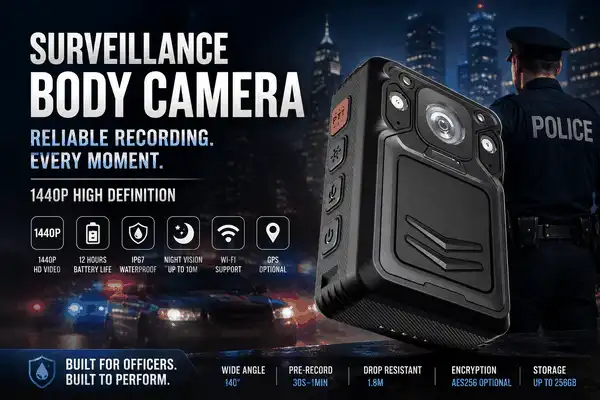
Professional cameras with 1440P resolution can clearly capture license plates, face features, and the background of the scene, even when the images are digitally zoomed in for evidence review. The OV05A20 sensor and the Ambarella H22 chipset processing make sure that the sensor works well in a wide range of lighting conditions, from bright sunlight during the day to stops at night when only the headlights of cars are shining on it. Noise-cancelling dual microphone systems block out wind noise and traffic noise, leaving only spoken conversations for clear recordings. Advanced encoding with H.264 and H.265 compression balances file size and quality, so departments can store huge libraries of footage without putting too much stress on storage systems.
Extended Battery Life for Full-Shift Operation
Because traffic cops work long shifts that often include extra, the traffic police body camera needs a battery that lasts a long time. Devices with 3200mAh batteries can record in 1080P continuously for up to 12 hours, so they can cover the biggest shifts without having to stop and charge in the middle of the shift. Power management systems reduce the amount of power used by dimming displays automatically when they're not being used, but recording functions stay the same. Because of this, police officers can be sure that their equipment will record important events at any time during the workday, from early morning to late at night.
Rugged Durability for Outdoor Environments
Traffic cops have to deal with rough weather on the job, like rain during storms, dust on rural roads, extreme summer and winter temperatures, and physical damage from foot chases or drops. IP67 protection keeps water out of internal parts, and shock-resistant design can handle drops from 2 meters onto concrete. These standards for durability make sure that cameras keep working even after the inevitable bumps and environmental exposures that happen during fieldwork. This protects the department's investments and keeps evidence gaps from happening because of broken equipment.
Evaluating Leading Traffic Police Body Camera Solutions
When procurement managers choose tools, they have to think about how well it works technically, how reliable the seller is, and the total cost of ownership. There are a lot of different options on the market, from simple recorders to complex systems that connect to the cloud and do analytics. Knowing what makes professional-grade tools different from consumer-grade options helps you make decisions that give you a clear return.
Essential Technical Specifications
High-quality cameras have wide-angle lenses (140 degrees) that capture a full picture of the scene, Electronic Image Stabilization (EIS) that adjusts for officer movement, and infrared LEDs that let you see up to 10 meters at night. Storage options with 32GB, 64GB, 128GB, or 256GB capacities give departments the freedom to choose the right recording length for their needs and budgets. Higher-capacity models can hold more than 24 hours of constant HD footage, which is good for departments that like to record for longer periods of time before downloading the data. Using AES256 standards to secure files protects the chain of custody, making sure that records can't be changed from the time they are captured until they are played in court.
Specialized Functions Enhancing Enforcement
Pre-recording buffers record 30 seconds to one minute before officers manually start recording. This keeps important context before the decision to record an interaction. Post-recording keeps going for a set amount of time after the device is turned off to make sure that all incidents are recorded. Motion recognition can set off automatic recording when police officers get out of their cars, so they don't forget to turn it on. When officers are in an emergency, SOS functions send alerts to all cameras in a group as well as command centers. This makes it possible for everyone to respond quickly. With these smart features, cameras go from being inactive monitors to being active tools for safety and evidence.
Vendor Support and Integration Capabilities
Reliable makers offer full technical support, such as training programs that help cops learn how to use cameras most effectively and how to fix problems. Integration with existing evidence management systems speeds up processes and eliminates the need to handle files by hand during data transfer. Dock-and-go options let police put cameras in charging stations, and the cameras will automatically upload video overnight, taking away the need for them to do any paperwork. Companies that offer ODM/OEM customization can meet the needs of each department, whether they need custom firmware or mounting solutions that work with the way uniforms are already set up.
Strategic Benefits of Deploying Body Cameras for Traffic Police Departments
Adopting cameras has benefits that go beyond just keeping records. They make operations, safety, and relationships with the community better as a whole. The most value is gained from deploying technology when departments see cameras as long-term investments rather than legal requirements.
Enhanced Accountability and Reduced Complaints
Video records that are objective settle disagreements fast and for good. Police departments say the number of complaints about bad behavior by officers has dropped dramatically. This is because many baseless complaints are dropped once people find video proof. This keeps officers safe from fake charges and makes sure that real concerns are properly looked into with strong proof. Just having cameras around changes people's behavior. Both police officers and drivers act more professionally when they know their interactions are being recorded, which creates positive feedback loops that improve the quality of encounters.
Improved Evidence Quality and Case Outcomes
Video evidence from a traffic police body camera that supports charges is valued by prosecutors, which means that more people are convicted of traffic violations and DUIs. Video shows minor signs of behavior, like slurred speech, shaky movements, and admissions, that written reports can't fully show. When detectives look at video footage that shows where the vehicles were, how the road was, and how time passed, they can more accurately reconstruct what happened. When video makes it clear who is at fault, insurance agents can settle cases faster. This level of proof means that cops don't have to go to court as often, which frees up staff to do patrol work instead of preparing for testimony.
Officer Safety and Tactical Advantages
Real-time streaming lets managers keep an eye on dangerous situations and send help when video shows that the threat level is high. GPS tracking makes sure that the command always knows where the officers are, which is very important in situations where help is needed quickly. Reviewing video footage after an incident helps tactical debriefings by revealing areas that need more training and making response plans better. Officers say they feel more confident in confrontations when they know their actions are being recorded and that support is watching from afar, which helps them make better decisions when they are under a lot of stress.
Cost Savings and Return on Investment
While the original purchase takes a financial investment, there are many ways that long-term savings can be realized. The costs of equipment were offset by lower litigation costs from complaints that were quickly resolved or dropped. Insurance premium cuts for departments that show their active camera programs save money over time. Better use of resources is possible because cases are resolved faster and court time is cut down. Departments that do thorough ROI analyses usually find payback periods of less than three years, with benefits continuing for the life of the equipment.
Practical Considerations for Traffic Police Procurement Managers
To set up cameras correctly, you need to plan carefully, taking into account technical, operating, and organizational factors. When procurement managers take the time to fully prepare, they set up their teams for smooth projects that get the most out of their technology investments.
Needs Assessment and Scalability Planning
Start by looking at what your department needs. For example, shift lengths will determine how many batteries you need, weather conditions will determine how durable the equipment needs to be, and the type of event will determine the video quality you need. Think about how your business will grow: will you hire more officers, which will mean you need more cameras? Are you planning to add specific units that will need certain features? When you choose modular systems that can be expanded with add-ons and software updates, you can protect your investments as your needs change. Pilot programs that try equipment with small groups of officers before it is fully deployed find problems with integration and changes that need to be made to process before the equipment is rolled out to everyone.
Regulatory Compliance and Data Management
Find out what the state and local rules are about when to activate recordings, how long to keep data, and when to make it public. Some places require all interactions with law enforcement to be recorded, while others let officers choose. Depending on how bad the event was, retention rules range from 90 days to several years. These rules must be met by secure storage infrastructure, whether it's servers in the cloud or on-premises. This includes keeping the integrity of the evidence. Set clear rules about who can see the footage, making sure to protect people's privacy rights and being open about what's going on. Legal standards must be part of training classes so that officers know what they need to do on the job.
Vendor Selection Criteria
Check out a company's products by looking at their quality certifications (CE, ROHS, IP67, IK09, and ISO standards), warranty terms (18 months is a good starting point), and how quickly they respond to technical support requests. Check to see how stable the seller is—well-known brands with a history of success lower the risk of tools that can't get parts or software updates. Before making big purchases, ask for trial units to be tested in the field under real operating conditions. Check to see if the integration works with the systems you already have, such as CAD/RMS platforms and software for managing evidence. If your department has specific needs that aren't met by standard product configurations, look into the options for customization.
Conclusion
When traffic police departments use traffic police body camera units, they put themselves at the cutting edge of modern, accountable law enforcement. These devices solve important operating problems and build trust in the community by clearly recording exchanges on the side of the road. As technology gets better and cheaper, cameras have become useful tools that can be used by anyone. They help lower complaints, make proof better, and make police officers safer. By carefully planning, choosing vendors, and implementing cameras in a complete way, procurement managers can get the most out of their technology investments and improve the professionalism and efficiency of their department's work in serving the community.
FAQ
1. How long does footage remain stored before deletion?
How long something is stored depends on the laws in the area and how the incident was classified. Routine traffic stops usually need to be kept for 90 to 180 days. However, footage of arrests, use of force, or complaints needs to be kept for much longer, sometimes forever. When departments set up their evidence management systems, they make sure that footage that meets extended keeping criteria is automatically marked and protected. Regular recordings are deleted after the required time periods. Planning for storage space needs to take these different needs into account. Cameras with more space (128GB or 256GB) can lower the number of downloads needed and provide extra space during busy times.
2. Can cameras function reliably during extreme weather conditions?
Professional-grade devices can handle tough environments because they are waterproof to IP67 standards and have parts that have been checked for temperature. It's possible for cameras to work reliably in rain, snow, and dust and still record well. Extended temperature ranges usually cover temperatures from -20°C to 55°C, which is almost every climate that officers face on the job. In very cold weather, batteries don't work as well, but good devices still have enough runtime for normal shifts, even in the winter.
3. What happens if an officer forgets to activate recording during a traffic stop?
More advanced cameras have features that make triggering fails less likely. Pre-recording buffers keep recording video and keep the last 30 to 60 seconds when the recording starts. This keeps important context even if the recording starts later than planned. Motion recognition can record automatically when police officers get out of their patrol cars. Departments usually have rules that say they have to be activated during all interactions with law enforcement, and there are ways for supervisors to look at this information and find trends of noncompliance that need restorative training. Visual indicators, audible alerts, and vibration feedback are just a few of the systems that help officers get into the habit of consistently activating their weapons.
Partner with SHOOP for Your Body Camera Needs
Since 2015, Shenzhen Kexin Technology Co., Ltd. (SHOOP) has provided traffic police body camera solutions that combine cutting-edge technology with reliable field use to traffic police departments and law enforcement agencies around the world. Our experience as a traffic police body camera provider means that you will get gear that meets the strict requirements of law enforcement on the side of the road. We know that procurement managers need partners who can provide more than just goods. You need full help during the selection process, during deployment, and during ongoing operations. Our engineering team uses years of research and development experience to make cameras that work well in difficult outdoor conditions. Meanwhile, our customer service staff is always ready to answer questions and help with problems. We offer flexible ODM/OEM customization to meet the needs of each department, from custom firmware configurations to unique mounting solutions. Our goods meet foreign quality standards and are certified by organizations like CE, ROHS, IP67, and IK09. This means they will work with your buying needs. Please email our team at sales@ishoop.com.cn to talk about the unique needs of your department and find out how our traffic police body camera solutions can help you run your business better.
References
1. White, M. D., & Coldren, J. R. (2017). Body-Worn Cameras in Law Enforcement: Assessing the Evidence. Washington, DC: Office of Community Oriented Policing Services.
2. Ariel, B., Farrar, W. A., & Sutherland, A. (2015). The Effect of Police Body-Worn Cameras on Use of Force and Citizens' Complaints Against the Police: A Randomized Controlled Trial. Journal of Quantitative Criminology, 31(3), 509-535.
3. Lum, C., Koper, C. S., Wilson, D. B., Stoltz, M., Goodier, M., Eggins, E., & Merola, L. (2020). Body-Worn Cameras' Effects on Police Officers and Citizens: A Systematic Review. Campbell Systematic Reviews, 16(3), e1112.
4. Jennings, W. G., Lynch, M. D., & Fridell, L. A. (2015). Evaluating the Impact of Police Officer Body-Worn Cameras on Response-to-Resistance and Serious External Complaints: Evidence from the Orlando Police Department. Journal of Criminal Justice, 43(6), 480-486.
5. Fan, M. D. (2016). Privacy, Public Disclosure, Police Body Cameras: Policy Splits. Alabama Law Review, 68(2), 395-446.
6. Yokum, D., Ravishankar, A., & Coppock, A. (2019). A Randomized Control Trial Evaluating the Effects of Police Body-Worn Cameras. Proceedings of the National Academy of Sciences, 116(21), 10329-10332.

USER EVALUATE
Here is the customer's evaluation of us