



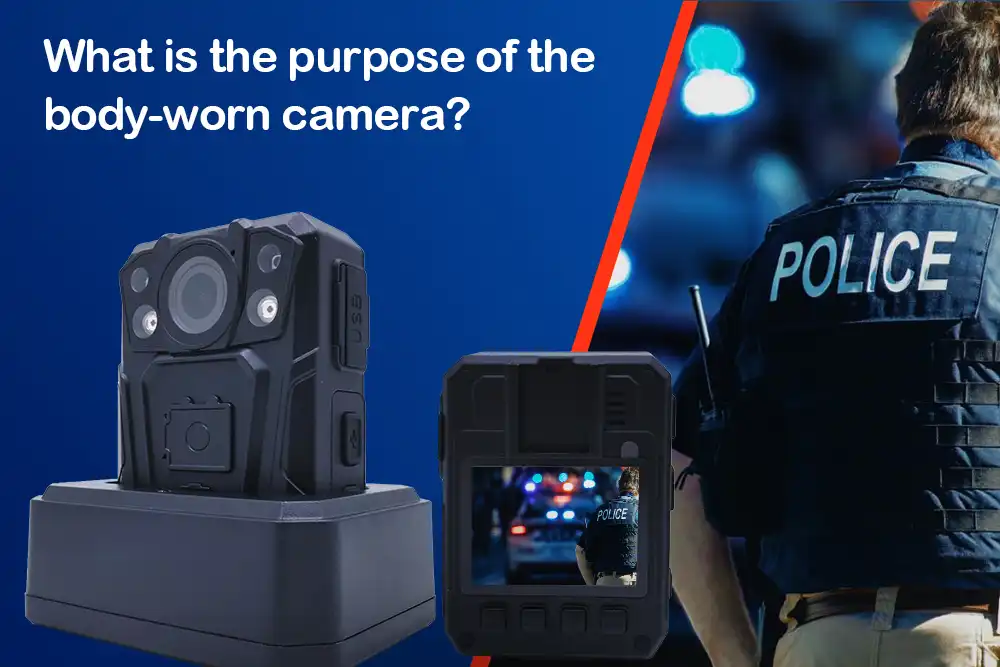
What is the purpose of the body-worn camera?
Body Worn Cameras track interactions and situations in real time, providing an objective record of happenings in many professional settings. These wearable cameras promote openness, accountability, and public and staff safety through reliable audio-video documentation. Police patrols, security guards monitoring commercial places, and emergency responders documenting crucial events use these devices to gather reliable information that decreases disagreements, enhances legal procedures, and promotes community confidence. Beyond recording, these cameras prevent wrongdoing, enhance training, improve reporting procedures, and offer businesses with recorded proof to defend against false accusations and ensure professional conduct standards.
Introduction
Body-Worn Cameras have changed security, accountability, and operational transparency across industries. The documentation-driven world has made these tiny recording devices essential for police agencies rebuilding community confidence and retail settings controlling shoplifting problems. This book addresses B2B procurement experts who realize that choosing camera solutions entails understanding both technical specs and strategic value in complicated operating contexts.
Body-Worn Camera systems safeguard staff, document key situations, decrease liability exposure, and exhibit transparency. The implementation of these solutions shows forward-thinking risk management and operational excellence. This paper examines how different sectors use this technology, the characteristics that matter most for procurement choices, and practical insights for enterprises seeking to improve their security architecture with proven recording solutions.
Understanding the Core Purpose of Body Worn Cameras
Defining Body Worn Cameras and Their Operational Principles
Wearable cameras on uniforms collect forward-facing audio and video during work. These little devices let staff capture exchanges without affecting their work. Modern devices use easy controls to record high-definition film for training, proof, and compliance.
Documenting Incidents and Reducing Liability Risks
These recording technologies' capacity to chronicle important moments objectively is their main benefit. In arguments over an interaction, video footage gives clarity that textual reports cannot. When parties know exchanges are recorded, spurious complaints decrease. Insurance claims are resolved faster, court processes advance with proof, and internal investigations get neutral knowledge regarding contentious occurrences.
Industry-Specific Applications Across Multiple Sectors
Different professional contexts use recording technologies for different operations. Police use these Body Worn Cameras during arrests and traffic stops to assist prosecutions and prevent false allegations. Corporate security records trespassing and workplace disagreements for management to use in disciplinary decisions. Accident sites and roadside enforcement operations are documented by traffic police for insurance claims and legal processes. Recording rescue operations helps firefighters practice and analyze response techniques after an event. Emergency medical teams record patient encounters in high-stress circumstances to safeguard workers from false accusations and improve treatment. Retailers use these cameras to prevent theft, resolve consumer disputes, and maintain order during peak hours.
Key Features and Functional Benefits of Body Worn Cameras
High-Definition Recording Capabilities and Battery Performance
Professional-grade recording equipment capture crystal-clear video of face characteristics, license plates, and ambient data that may be crucial during investigations. Devices may record at 2560x1440 at 30 frames per second using advanced chipset technologies like the Ambarella H22 CPU, ensuring visual clarity even in poor lighting. H.264 and H.265 compression standards maximize storage efficiency without compromising video quality, extending recording time.
Organizations with long shifts must consider battery life. Modern systems with 3200mAh batteries can record for over 10 hours, reducing concerns about mid-shift device failure during important occurrences. Pre- and post-recording features record events before and after activation and deactivation to avoid missing important moments owing to reaction delays.
Durability Standards for Demanding Environments
Professional recording gear must survive intense everyday use. Devices with IP67 waterproof ratings work in rain, snow, and accidental liquid exposure. IK09 impact resistance certificates defend against drops and physical impacts in law enforcement and emergency response. Lightweight designs reduce fatigue, and secure mounting solutions keep Body Worn Cameras in place throughout active shifts.
Connectivity Options and Advanced Features
Connectivity enhances modern camera systems beyond recording. WiFi transfers data wirelessly, reducing the requirement for physical connections during evidence upload. GPS automatically marks film with position data, aiding event reconstruction. Emergency SOS buttons notify supervisors and activate priority response processes. Real-time streaming helps command centers make tactical decisions during crucial emergencies.
Privacy Protection and Secure Data Management
Organizations handling sensitive footage must secure data. AES256 encryption safeguards recorded evidence throughout its lifespan. Role-based access restrictions restrict viewing to authorized users in secure storage systems, whether local or cloud-based. Compliance-focused systems provide retention rules, audit trails, and privacy safeguards required by various regulatory frameworks for regulated organizations.
How Body Worn Cameras Drive Business Value for B2B Clients
Improving Operational Efficiency Through Verifiable Documentation
Recording systems reduce incident report writing time, streamlining administrative procedures. Officers and security professionals use film to document accurately and quickly. Visual evidence helps supervisors make better choices about situations than subjective statements from interested individuals.
Mitigating Risks and Enhancing Workforce Accountability
Body Worn Camera programs significantly reduce employee complaints. Studies show that recording encounters changes employee and public behavior. This "civilizing effect" lowers conflict, shields people from false accusations, and fosters professionalism throughout the company. Concrete proof that verifies claims or rapidly dismisses baseless complaints saves legal departments time and money on investigations and litigation.
Supporting Training and Performance Development Support
Recorded film from real-world scenarios your staff faces is unmatched training. Training departments use collected occurrences to demonstrate appropriate processes, identify areas for improvement, and perform scenario-based learning exercises based on operating experience. Veteran workers gain from objective performance appraisals, while new hires learn by watching how experienced colleagues manage difficult situations.
Evaluating Procurement Considerations for Bulk Solutions
Procurement experts consider more than pricing when assessing camera systems. Businesses should examine total cost of ownership, including storage infrastructure, software licensing, maintenance, and replacement cycles. Customization allows vendors to alter features, battery capacity, and mounting choices to meet individual deployment circumstances. Warranty periods, technical support, and upgrade paths affect long-term value, especially for organizations with hundreds of systems in numerous locations.
Successful implementations result from reduced complaint processing costs, insurance premiums, case resolution rates, and public perception. Police claim fewer use-of-force incidents, faster case dispositions, and better community relations. Corporate security operations report lower liability payouts and faster incident response. These demonstrable results support program growth budget requests and initial expenditures.
Selecting the Right Body Worn Camera: Criteria and Market Overview
Essential Procurement Criteria for Decision Makers
Video quality affects evidentiary utility—footage must be detailed enough to identify people, read documents, and describe environmental circumstances. Professional installations require 1080p, with 1440p for demanding applications providing better clarity. Still photos with 4M to 40M resolution fulfill court evidence criteria.
Duration between data transfers depends on storage capacity. Devices with 32GB to 256GB RAM can handle short patrol shifts or long distant deployments. Flexible storage choices let enterprises match capacity with specific use cases, avoiding overpaying for unneeded storage and assuring peak demand capacity.
Battery performance must match shift durations and intensity. Devices with ten-plus hours of continuous recording can handle regular shifts with enough reserve. External batteries or quick charging provide mid-shift power replenishment without device removal for long-term operations.
Interoperability with Existing Security Infrastructure
Purchase choices must evaluate how modern Body Worn Camera systems operate with security platforms, evidence management software, and communication networks. Devices with common video formats and open APIs ease integration, eliminating vendor lock-in and boosting organizational flexibility. Compatibility with docking stations, charging infrastructure, and network design cuts costs and speeds deployment.
Comparing Solutions and Vendor Capabilities
Market leaders provide cameras, storage, evidence management software, and support. Field testing and product refining ensure reliability from established manufacturers. Specialized manufacturers like ODM/OEM providers provide competitive price and customisation that bigger vendors may not match. Before making purchase decisions, organizations should evaluate alternative possibilities, seek demos, and contact current users.
Matching Solutions to Sector-Specific Requirements
Based on operations, different sectors emphasize different qualities. Evidence-grade recording, chain-of-custody, and lawful encryption are needed by law enforcement. Integration with access control, simpler user interfaces, and centralized administration platforms are important to corporate security. Durability, battery life, and hazardous site approvals are important in industrial settings. Retail installations prefer discrete designs, simplicity, and cost-effective scalability across several sites.

Implementing Best Practices for Body Worn Camera Usage
Comprehensive Training Programs for Effective Deployment
Successful Body Worn Camera programs start with rigorous staff training on device operation, activation processes, and organizational recording standards. Users must know when to activate cameras, how to position them for maximum capture angles, and how to transfer footage after shifts. As regulations and device capabilities change, staff receive regular refresher training.
Data Governance Frameworks and Retention Policies
Organizations must set unambiguous footage retention, access rights, and deletion schedules that conform with rules and fulfill operational demands. Formal data governance rules determine who may see recordings, when material can be published, and how to handle public records requests and legal discovery. Audit traces of all footage access preserve evidence integrity and data lifecycle accountability.
Device Maintenance and System Administration
Devices last longer and perform better with regular maintenance. Scheduled inspections check camera wear, recording quality, and operating standards. Firmware upgrades boost device capabilities via security fixes, feature additions, and performance improvements. Across large deployments, centralized asset management systems maintain device assignments, maintenance histories, and replacement schedules for optimal fleet management.
Addressing Privacy Concerns and Regulatory Compliance
Camera programs must combine privacy and legal needs with documentation. Organisations establish protocols for recording in sensitive situations, notice, and film redaction before release. Data protection, public records, and workplace monitoring rules vary by jurisdiction and industry, necessitating careful policy drafting with legal counsel participation. Transparent communication with employees, unions, and the public creates confidence and streamlines program execution.
Leveraging Analytics for Continuous Improvement
Advanced evidence management tools apply analytics to turn raw footage into usable information. Analyzing incident trends, assessing policy efficacy, and recognizing outstanding performance help organizations discover training gaps. Integration with security operations centers supports tactical decision-making and resource allocation during critical situations with real-time situational information.
Conclusion
Body Worn Cameras have gone from experimental to important instruments for openness, accountability, and operational excellence in varied professional settings. These solutions boost evidence collecting, liability reduction, employee performance, and stakeholder trust. Beyond specific occurrences, strategic value includes cultural transformation, operational efficiency improvements, and verifiable risk avoidance. Understanding key purposes, technical requirements, and implementation best practices helps procurement experts choose solutions that generate long-term value and meet company goals. Early adopters put their firms at the forefront of contemporary security and accountability as technology advances with artificial intelligence, connectivity, and analytics.
FAQ
1. What legal considerations should organizations address before deploying camera systems?
Organizations must investigate local recording permission, data retention, public records access, and workplace monitoring legislation. Consulting a lawyer ensures policies conform with privacy, evidentiary, and employment laws. Written rules on activation mechanisms, footage evaluation, and release criteria safeguard organizations and individual rights.
2. How do organizations ensure data privacy and regulatory compliance with recorded footage?
Encrypting data throughout the lifetime protects sensitive recordings. Role-based access controls restrict viewing to employees with genuine needs. Secure storage—on-premises servers or approved cloud platforms—provides audit traces of every access. Compliance evaluations ensure compliance with retention schedules, deletion processes, and industry and location-specific regulations.
3. What factors should procurement professionals prioritize when evaluating bulk camera purchases?
Hardware, storage, software, training, and maintenance make up the total cost of ownership. Battery life, video quality, and durability evaluations should be compared to operating shifts, evidence, and environmental circumstances. Supplier comparisons should include customization, vendor stability, warranty terms, technical support, and upgrade paths for Body Worn Cameras. Before large-scale installations, get demos and engage current users to verify vendor claims.
Partner with Shenzhen Kexin Technology Co., Ltd. for Your Body-Worn Camera Needs
Shenzhen Kexin Technology Co., Ltd. provides industry-leading recording solutions for demanding professional situations to assist your organization's security and accountability efforts. Since 2015, we have made high-quality Body Worn Cameras that meet CE, ROHS, IP67, IK09, and ISO requirements. Our devices use Ambarella H22 chipsets for 1440p video, AES256 encryption for data security, and 3400mAh batteries for long shifts.
We know every company has different operating needs. Law enforcement, corporate security, and industrial safety operations can use our ODM/OEM solutions to meet their needs. We provide reasonable price, variable order quantities, fast delivery, and extensive technical support to ensure seamless implementation and continuous success as an experienced body worn camera manufacturer.
Talk to our procurement professionals at sales@ishoop.com.cn about product demos, bulk order quotes, and more. Explore our full product portfolio at policebody-cameras.com to learn how our proven technology can increase transparency, employee safety, and operational efficiency.
References
1. Police Executive Research Forum. (2021). Implementing Body-Worn Camera Programs: Lessons Learned and Key Considerations for Law Enforcement Agencies. Washington, DC: Office of Community Oriented Policing Services.
2. Miller, L., Toliver, J., & Police Executive Research Forum. (2019). Body-Worn Cameras: What the Evidence Tells Us. National Institute of Justice Journal, Issue 280.
3. White, M. D., & Fradella, H. F. (2020). Enhancing Police Legitimacy Through Body-Worn Cameras: A Multi-Site Empirical Study. Police Quarterly, 23(4), 467-495.
4. Bureau of Justice Assistance. (2020). Body-Worn Camera Toolkit: Planning and Implementation Guide for Law Enforcement and Community Stakeholders. Washington, DC: U.S. Department of Justice.
5. Ariel, B., Sutherland, A., Henstock, D., Young, J., Drover, P., Sykes, J., & Henderson, R. (2018). Report: Increases in Police Use of Force in the Presence of Body-Worn Cameras are Driven by Officer Discretion. Journal of Experimental Criminology, 14(3), 453-463.
6. International Association of Chiefs of Police. (2020). Body-Worn Cameras Model Policy and Concepts & Issues Paper. Alexandria, VA: IACP Law Enforcement Policy Center.

USER EVALUATE
Here is the customer's evaluation of us