



Everything You Need to Know About Waterproof Body Worn Camera
A waterproof body worn camera is a ruggedized recording device engineered with advanced ingress protection to capture reliable video and audio evidence in rain, humidity, dust, and extreme weather conditions. Unlike standard cameras, these units feature hermetic sealing and reinforced housings that protect critical internal components from moisture damage. Professionals across law enforcement, security, emergency response, and industrial sectors depend on these devices to document incidents without equipment failure during critical moments. Understanding the technology, specifications, and procurement considerations ensures organizations invest in solutions that deliver long-term value and operational continuity.

What Is a Waterproof Body Worn Camera and Why Is It Essential?
The Core Technology Behind Waterproof Protection
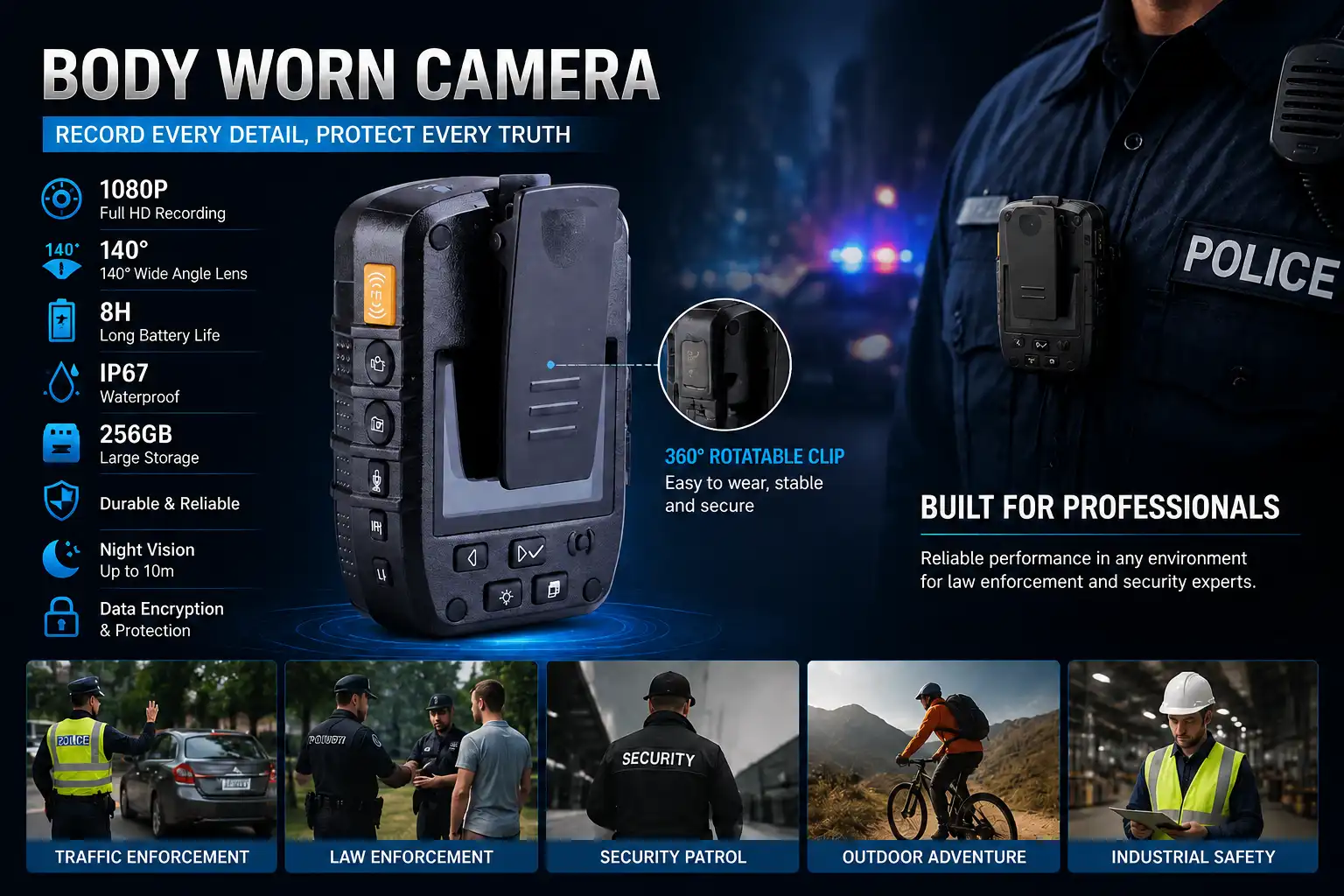
As a minimum standard, modern waterproof body-worn cameras made for harsh settings have IP67 approval. This grade means that the device can be submerged in water up to one metre deep for 30 minutes without breaking. It is made with high-impact polycarbonate cases and vacuum-sealed membranes inside that keep water out of charging ports, buttons, and lens parts. Gaskets made of silicone rubber are designed to keep liquid out while keeping the buttons' tactile responsiveness.
In addition to being waterproof, these cameras have hydrophobic lens coats that keep water drops away. This means that even when it rains a lot, the video will still be clear. Internal anti-fog mechanisms keep condensation from building up when going from one temperature extreme to another. This is important because it can be hard for police officers to go from cool vehicles to humid outdoor areas. Standard electronics break down in storms or when it's humid, which means lost evidence and high costs to replace the device. This engineering solves a persistent industry pain point.
Real-World Applications Across Industries
No matter what the weather is like, police departments have to keep records. When police officers do traffic stops in the rain or look into crimes that happen outside, they need tools that work all the time. The problems that security guards face at transportation hubs or public event sites are similar. The dependability of waterproof body-worn cameras means that security teams can keep watching even when bad weather comes together.
Firefighters who work in places where hoses or building sprinkler systems spray water are helped by cameras that can record rescue operations even if the electronics fail. When emergency medical teams go to outdoor incidents in bad weather, they record important interactions with patients and treatment procedures. These recordings do two things: they protect medical staff from liability claims and they can be used as teaching materials to make future emergency reaction better.
Traffic cops work long hours in the rain, snow, and other conditions on the side of the road. Cameras that can handle these conditions make sure that accident reports are complete and that evidence of traffic violations can stand up to judicial review. Retail security guards who work in outdoor shopping centers or loading dock areas need equipment that is just as sturdy to keep track of evidence of theft and settle disputes.
The Business Case for Durability
When organisations look at their purchasing choices, they need to think about more than just the initial buy price. Standard waterproof body worn cameras often need to be replaced after being wet, which creates ongoing costs that add up over the course of a fiscal year. With proper care, waterproof models keep devices from breaking down too soon, extending their useful life to three years or longer.
Another important value factor is operational continuity. When equipment breaks down during major events, it leaves gaps in the proof that make investigations and court cases harder to do. Full records are needed for insurance claims, civil lawsuits, and internal reviews. Investing in technology that can withstand bad weather protects institutional interests and shows a commitment to the openness and accountability that people today expect from public safety agencies.
Features and Technical Specifications of Waterproof Body Worn Cameras
Understanding IP Ratings and Protective Standards
The Ingress Protection rating method sets exact levels of protection against liquids and solid particles. IP67 approval means that the building is completely dust-tight and that it can withstand short-term immersion. Devices that meet this standard go through a lot of tests in the lab. The units stay underwater under controlled conditions while workers make sure that no water gets into the electronic parts.
Higher-level IP67 ratings offer better security against lengthy submersion below one metre, making them ideal for marine law enforcement or rescue operations that take place in water. These stricter requirements mean that engineers have to spend more money on multi-layer closing systems and pressure equalisation valves that keep their integrity even when they are exposed to liquid for a long time.
MIL-STD-810G compliance testing adds military-grade shock resistance to waterproofing. As part of this standard, devices are dropped from different heights onto concrete surfaces, put through vibration stress models, and go through heat shock cycles. The combination of water resistance and impact protection makes sure that cameras can handle the physical demands of active duty, such as being dropped by accident during foot pursuits and being shaken up by vehicles during high-speed responses.
Critical Performance Specifications
Professional cameras have a 1296p high definition video resolution that clearly records details like license plates, faces, and the environment. The 140-degree wide-angle lens covers the whole scene without distorting it too much, which helps judges understand how things are placed in space while the event is being reconstructed. This field of view strikes a good mix between width and clarity, so you don't get the fisheye effect that lowers the quality of the proof.
Infrared LED clusters are used in advanced night vision to light up scenes up to 10 meters away when it is completely dark. Automatic dual-filter switching moves smoothly between daylight and low-light situations, keeping colours true during recordings made during the day and making things easier to see at night. This flexible technology gets rid of the need for cops to make changes by hand, which can be distracting in critical situations.
The operating usefulness is directly affected by how well the battery works. The 3000mAh battery gives you more recording time during normal 10 to 12-hour shifts without having to charge it in the middle of a shift. Automatic file segmentation keeps data from being lost if the power goes out, so recorded evidence is kept until the battery runs out. Intelligent power management systems keep the camera ready to record even when it's not in use by lowering the light of the screen when it's not being used.
Multiple capacity choices give storage freedom to meet different operating needs. Routine patrols can be managed by organisations that choose 32GB or 64GB versions, while long-term deployments by special operations teams usually need 128GB or 256GB storage. Expandable memory architecture lets you add more storage space in the future without having to replace the whole device. This means that your initial investments will last longer.
Data Security and Evidence Management
Encrypted file protection and recording systems that can't be changed ensure the accuracy of the evidence from waterproof body worn cameras. Once recorded, video can't be watched or erased without the right credentials. This keeps the chain of custody that is needed for legal admissibility. Embedded metadata adds the time, date, device ID, and, if location tracking is turned on, optional GPS coordinates to every file automatically.
The extended filename system adds user identification and incident codes directly to file names. This makes it easier to find evidence when preparing a case. Organisations have to keep track of thousands of recordings from many officers and shifts, so they need to use consistent naming conventions to keep track of digital evidence. Custom text overlays let you add case numbers or location labels to records in real time, which helps keep archive systems even more organised.
How to Choose the Right Waterproof Body Worn Camera for Your Business
Assessing Environmental and Operational Demands
Before choosing equipment specs, procurement teams have to look at the specific duty environments. Strong IP67 protection is needed at a minimum in tropical areas with a lot of humidity and rain. Maritime law enforcement agencies that work near saltwater environments benefit from metal parts with extra coatings that stop corrosion and charging contacts that are gold-plated and don't break down electrolytically.
Extreme temperatures can affect how well batteries work and how reliable computer parts are. For operations in the north in cold weather, batteries need to be designed to work in temperatures below zero, and for operations in the desert, better heat disposal systems are needed. By knowing the operating temperature ranges, you can be sure that the gadgets you choose will still work in different climates and deployment zones.
The necessary battery power and storage options depend on the length of the shift and how intensely it is recorded. Special operations teams that are on missions to keep an eye on things all the time have different needs than patrol officers who record things here and there during normal tasks. By looking at how things are usually used, you can avoid either not specifying enough, which can cause problems during the shift, or specifying too much, which wastes money on capacity that isn't needed.
Evaluating Supplier Credibility and Support Infrastructure
When it comes to law enforcement technology, well-known brands that have been around for a while are more reliable than new brands that haven't been around for long. Certifications like CE, ROHS, and ISO standards show that a company is dedicated to quality control systems and following the rules. Instead of relying only on marketing specifications, companies should check the testing records that back up IP ratings and impact resistance claims through a third-party laboratory.
Infrastructure for after-sales support has a big effect on long-term customer satisfaction and operational readiness. A full guarantee usually lasts for two to three years and protects against problems with the way the product was made and parts that stop working. Responding technical support teams that can fix problems online keep devices from going down and make repair facilities easier to get to cut down on the time it takes to fix units that need it.
Customisation features let businesses choose features that are in line with operating standards and government rules. ODM and OEM services let you name your products with agency logos, set up recording settings ahead of time, and add metadata areas that are specific to each state. Flexible makers can meet specific purchasing needs without requiring large minimum orders, which helps both small departments and big urban agencies.
Comparing Leading Solutions in the Market
While well-known names like Axon, Garmin, and Panasonic are still in the market, new companies that offer competitive prices and unique features of waterproof body worn cameras are making the market more interesting. When buying in bulk, dealing directly with manufacturers can often save you money compared to going through distributors. Before making big purchases, organisations should ask for demonstration units to be tested in the field under real-life duty circumstances.
When you compare performance, you need to look at whole operational ecosystems, not just individual specifications. Video quality, battery life, and waterproofing are all important, but what really matters is how well the device can work with existing evidence management software, how easy it is to transfer data, and how well officers accept it. Pilot programs with small amounts in a variety of operational settings show the pros and cons in real life that can't be seen on a specification sheet.
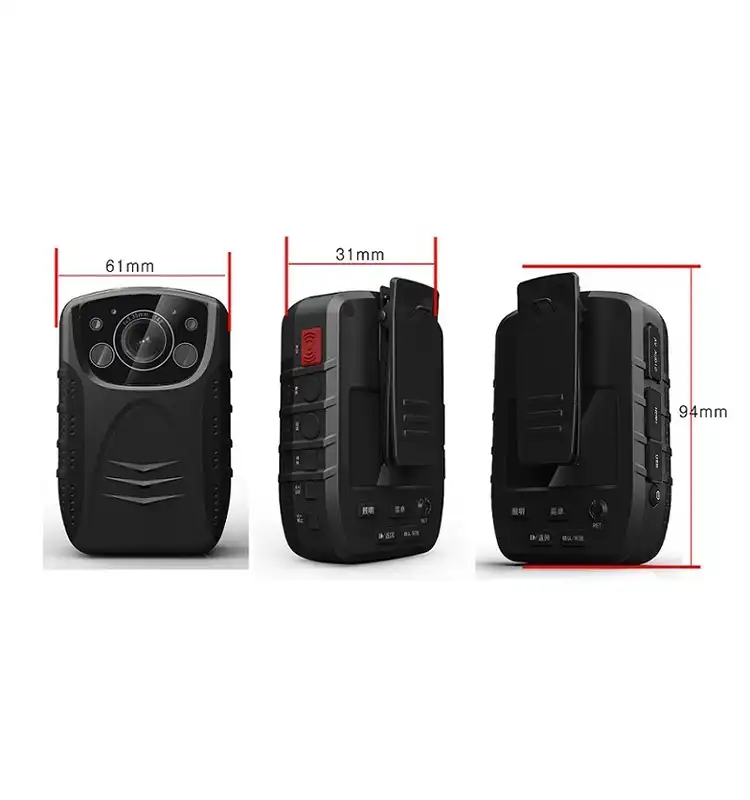
This body camera is compact (94 × 61 × 31 mm) and weighs only 175 grams, making it more comfortable to wear for extended periods. Officers don't get as tired when their gear fits easily on their uniform mounts and doesn't add too much bulk or weight. These ergonomic factors have a direct effect on acceptance rates and regular usage compliance, both of which are important for meeting openness goals and protecting against liability.
Procurement Process: Buying Waterproof Body Worn Cameras in Bulk
Navigating Pricing Structures and Volume Discounts
Manufacturers usually set their prices using tiered volume brackets, where unit costs go down as certain quantities are reached. Orders of less than 50 units usually get the regular selling price, but orders of 100 to 500 units may get savings of 15 to 20 percent. When you buy more than 1,000 units, you can save a lot of money because you can get prices directly from the maker, which takes out the middleman.
When procurement teams show long-term relationship potential through multi-year repair cycles and accessory purchases, they have more negotiating power. When an organization combines the needs of several departments or regional facilities, they can get better terms than when they buy things separately. For a full picture of all the costs, when making a budget, you should include not only camera units but also hanging tools, extra batteries, charging stations, and the cost of licensing data management software.
The terms of payment affect how buyers, both businesses and governments, handle their cash flow. Standard net terms of 30 days are what you can expect, but longer terms of 60 or 90 days may come with bigger sales. Some manufacturers offer leasing options or payment plans that are spread out over time. These options help keep costs in line with when budgets are approved and when the fleet is gradually updated.
Managing International Shipping and Logistics
Lead times are very different depending on how customised the product needs to be and how busy the factory is right now. Standard setups usually ship in 7–14 business days, but it could take up to 4–6 weeks for custom software, branding, or unique mounting solutions. When planning deployments at the end of the fiscal year or specific execution dates, organisations should start the buying process with enough time to spare.
When you ship things internationally, you have to think about things like customs paperwork, import duties, and making sure you're following the rules. Reliable sellers offer complete paperwork packages that make it easier to clear customs. These packages include commercial invoices, certificates of origin, and product compliance statements. Knowing the rules about encryption technology and wireless transmission in the target country can keep shipments from being held up at border checks.
Receiving logistics and inventory management need to be coordinated for bulk shipments. Putting all supplies in one place makes it easier to handle incoming packages, but it needs internal redistribution networks to do so. On the other hand, asking for factory-direct shipment to more than one plant site may cost more, but it speeds up deployment times for operations that are spread out geographically.
Warranty Coverage and Maintenance Protocols
Full warranty programs cover problems with the way the product was made and parts that stop working for a certain amount of time. Organisations should make it clear what kinds of damage are covered, such as water damage from failed seals and user damage from going beyond the rated depth limits. Knowing what the limits are keeps disagreements from happening when gadgets need to be fixed or replaced.
By checking the seals, charging contacts, and lens surfaces on a regular basis, maintenance procedures make devices last longer. Setting up cleaning routines using approved solutions stops residue buildup that threatens the seal's integrity. Proper handling during docking, charging, and storage is made sure of by training programs. This cuts down on damage that could have been avoided and the number of warranty claims.
The supply of replacement parts affects the estimate of the total cost of ownership. Batteries, fixing clips, and charging cords are all examples of consumables that need to be replaced from time to time. Checking the inventory of parts and the buying process before choosing a provider makes sure that operations don't stop when parts reach the end of their useful life.
Conclusion
Waterproof body worn cameras are important tools for workers who work in tough situations where they can't stop to record evidence when it rains. When you put together IP67 protection, high-definition recording, longer battery life, and safe data management, you get complete solutions that meet the needs of law enforcement, security, emergency response, and industrial applications. When businesses buy good devices from well-known brands, they get long-term benefits like fewer replacements, better proof collection, and higher standards of responsibility. Technical specs, seller qualifications, and total cost are all carefully looked at to make sure that buying choices are in line with what the institution needs and the budget can handle.
FAQ
1.How long does the battery last during continuous recording?
The 3000mAh battery lets you record continuously for about 10 to 12 hours under normal conditions. The actual runtime depends on what functions are turned on while the camera is being used, such as the screen brightness, GPS logging, and the infrared night vision. Spare battery programs or mid-shift charging practices during meal breaks can help businesses run for longer.
2.Can these cameras integrate with existing evidence management systems?
These days' waterproof body-worn cameras work with common ways to send data, like USB ports and wireless docking stations that upload footage automatically to network storage. If software APIs are available and file format standards are followed, it should be possible to use big evidence management systems. During the evaluation process, procurement teams should check the ability to integrate by reviewing technical specifications and doing sample tests.
3.What happens if the camera experiences impact during physical confrontations?
Devices that meet the standards for MIL-STD-810G shock protection can be dropped from up to 1.5 meters onto concrete and still work. Mounting systems for internal parts that absorb shock protect circuit boards and lens units when they are hit. Although cameras can handle a lot of force, hard hits can damage the outside housings in a way that doesn't affect their ability to record or their waterproofing.
Partner with Shenzhen Kexin Technology for Reliable Waterproof Body Worn Camera Solutions
Shenzhen Kexin Technology Co., Ltd. has been in business since 2015 and makes professional-grade waterproof body-worn cameras that meet international quality standards such as ISO, CE, ROHS, IP67, and IK09. As an experienced waterproof body worn camera supplier, we provide reliable OEM and ODM solutions developed by our skilled research and development (R&D) and sales teams to meet the specific needs of police departments, security groups, and emergency response teams around the world. We offer a range of purchasing options, competitive bulk pricing, and full after-sales support to make sure your equipment works reliably for a long time.Email our team at sales@ishoop.com.cn to talk about your specific needs, ask for product demos, or get thorough quotes for your next project to update your equipment.
References
1. National Institute of Justice (2019). Body-Worn Camera Implementation: A Guidebook for Law Enforcement Agencies. U.S. Department of Justice, Office of Justice Programs.
2. International Association of Chiefs of Police (2020). Body-Worn Camera Model Policy and Implementation Guidelines. Alexandria, Virginia: IACP Law Enforcement Policy Center.
3. Bureau of Justice Assistance (2018). Body-Worn Camera Toolkit: Benefits and Challenges of Body-Worn Cameras. Washington, D.C.: U.S. Department of Justice.
4. International Electrotechnical Commission (2013). IEC 60529: Degrees of Protection Provided by Enclosures (IP Code). Geneva, Switzerland: IEC Publications.
5. Miller, L., Toliver, J., and Police Executive Research Forum (2014). Implementing a Body-Worn Camera Program: Recommendations and Lessons Learned. Washington, D.C.: Office of Community Oriented Policing Services.
6. Home Office Centre for Applied Science and Technology (2016). Body-Worn Video: Guidance for the Police Use of Body-Worn Video Devices. Sandridge, United Kingdom: CAST Publications.

USER EVALUATE
Here is the customer's evaluation of us