



Durable Body Camera Buying Guide: Uses, Benefits, and Costs
Choosing the right durable body camera is very important for professionals in law enforcement, security, emergency services, and retail when their own safety and the integrity of the evidence are at stake. This detailed guide talks about what makes body-worn cams really lasting, how they can be used in real life, the real benefits they offer, and how much they really cost. If you're a buying manager looking at choices for a police department or a security head upgrading your team's gear, knowing these things will help you buy technology that will protect people and operations for years to come.
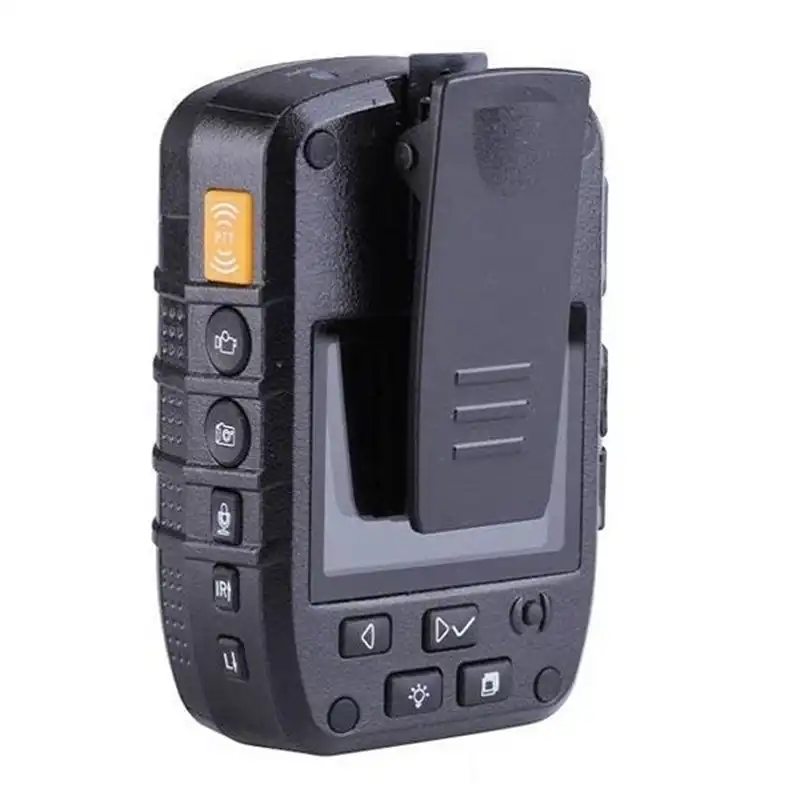

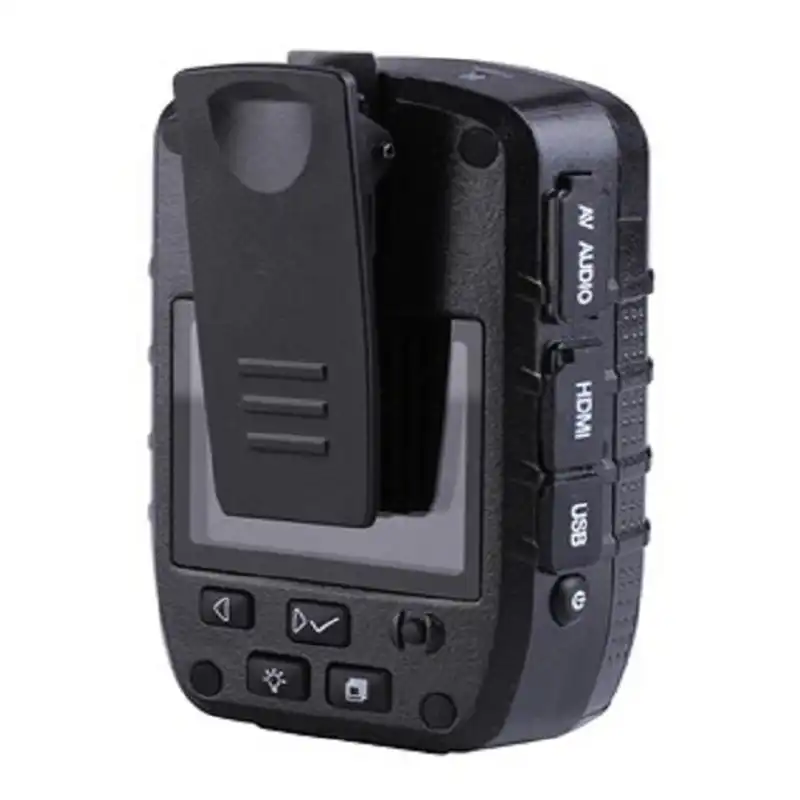
What Are Durable Body Cameras and Their Key Features?
Rugged Construction Standards
Wearable cameras designed for the professional need to undergo extensive reliability testing to make sure they will perform in the harshest of conditions. The gadget has an IP67 designation, which means it is protected from dust and water immersion, and can be immersed in water at a depth of one meter for half an hour. This implies that even if it falls into a puddle or it rains, the gadget will still operate. This safety equipment is highly useful for traffic police who have to handle highway accidents in pouring rain or for security guards who roam around outdoor locations all year round.
Protection against impact is just as important as resistance to water. Quality devices can handle being dropped from great heights without losing their recording quality or the purity of their case. The small size (about 94 x 61 x 31 mm and weighing about 175 grams) strikes a good balance between portability and durability, allowing for comfortable all-day wear without sacrificing strength.
Advanced Recording Capabilities
Professional cameras nowadays can capture films in resolutions of up to 1296p which guarantees that vital features like faces, registration plates and signs are visible when movies are expanded during investigations. The 140-degree wide-angle lens ensures that the complete scene is captured, without any blind patches that might be obscuring critical evidence.
With night vision technology, operations can continue after daylight hours. Infrared light can reach up to 10 meters in total darkness, which makes it possible to clearly see faces and record incidents during overnight shifts. This feature changes how firefighters record rescue operations in places with a lot of smoke or how first responders record emergency procedures in places with little light.
Different planning needs can be met by storage that is flexible. Different retention rules and operational speeds can be used with options running from 32GB to 256GB. Larger storage capacities are better for organizations that review evidence more slowly, while smaller storage capacities are better for organizations that offload data often.
Battery Performance and Operational Endurance
Longer battery life takes away the worry of power outages in the middle of a shift. A 3000mAh polymer lithium battery can record continuously for about eight hours, which is long enough to work normal shifts without having to be charged again. This endurance is very important for store security workers who have to deal with busy shopping times or police officers who have to deal with watch times that are hard to predict.
Low battery alarms let you know before the power is gone and 180-minute recharge durations reduce the amount of time equipment is down between shifts. The battery is reliable at temperatures from -40°C to 60°C, so police officers may use it on the job in summer for traffic enforcement or in winter for emergency calls.
User Interface and Operational Simplicity
When you're stressed at work, you need to be able to act intuitively. When seconds count, one-button recording starts makes things easier. Visual and audio alerts let you know that the recording is still going, so you don't have to wonder if the device caught an exchange. The 2-inch LCD screen lets you play back right away for quick confirmation without having to go back to offices or connect to other devices.
These features show what makes professional-grade gear different from regular recording gear. When you combine toughness with advanced features, you get tools that can handle the fast pace and unpredictable challenges of professional security and safety work.
Benefits of Using Durable Body Cameras in Professional Settings
Enhanced Accountability and Transparency
Video recording makes objective records that keep people and the public safe. When there are disagreements about how police officers and civilians, security staff and customers, or medical staff and patients interacted, footage provides factual evidence that makes things clear. People are more likely to believe the police when they are open and honest, and workers are safer from being falsely accused.
This responsibility is especially helpful in retail settings. Body cameras worn by supermarket security guards deter people from stealing and record interactions with people who are thought to be thieves. When customers disagree with exchanges or say they were mistreated, managers can look at video to quickly and fairly settle the complaint.
Improved Evidence Quality for Legal Proceedings
More and more, courts want video proof in cases involving business encounters. High-resolution video with timestamps, device IDs, and GPS coordinates built in makes records that can't be changed and can stand up to court review. The H.264 compression format keeps file size and quality equal, and password protection keeps the chain of custody honest.
Traffic cops gain a lot from proof that would be good in court. At 1296p quality, video footage from a durable body camera of accident scenes, DUI stops, and traffic violations gives prosecutors and defense lawyers clear, unarguable visual records that speed up the case settlement process.
Operational Training and Performance Improvement
Conversations that are recorded are useful for training. When firefighters watch video of a rescue operation, they can find ways to make things safer and more efficient. Trainers for the police use real patrol interactions to teach de-escalation skills and how to follow the rules. This hands-on learning is better than academic teaching because it shows how things work in the field and how to make decisions when time is tight.
The pre-record function, which records for 25 seconds before being activated by hand, is especially useful for training analysis because it keeps the context that led to certain reactions or choices.
Cost Efficiency Through Durability
Professional cameras cost more up front than amateur cameras, but they are more cost-effective in the long run because they last longer. Less frequent replacement, fewer repairs, and longer service life save a lot of money over cheaper alternatives that don't work in professional settings.
Companies also save money on liability costs when video proof quickly settles disagreements, stops pointless cases, and shows that proper procedures were followed. Within the first year of use, these secondary savings often cover the direct costs of the tools.
How to Choose the Right Durable Body Camera for Your Business
Assessing Your Operational Environment
The levels of protection that are needed depend on the environment. Traffic cops who work on highways in all kinds of weather need full waterproofing and the ability to handle very high and very low temperatures. People who work in indoor security might put battery life and storage space ahead of sealing against the weather. By knowing your unique problems, you can avoid paying too much for features that you don't need or not getting enough defenses that are important.
It's very important to know the working temperature range. Devices that can work in temperatures ranging from -40°C to 60°C are good for departments in places with hard winters or summers, because they keep working the same way no matter the season.
Matching Features to Industry Requirements
The needs of law enforcement and store protection are not the same. Features like GPS tracking, intercom connectivity, and large accessory ecosystems with things like vehicle mounts and docking stations are helpful for police work. Retail security might focus on small, unobtrusive designs, long battery lives for long shifts, and easy operation that doesn't require much training.
Medical and emergency services like devices that can be used without using their hands, that work with protective gear, and that work reliably in busy places. The clip can be rotated 360 degrees, which gives you more options for where to place it to get the best angles and different uniform arrangements.
Evaluating Supplier Reliability and Support
Technical details are important, but how satisfied you are in the long term depends on how trustworthy the supplier is. Companies that have been around for a while, have international certifications like CE, ROHS, and ISO compliance, and have been used all over the world show that they care about quality and customer service.
For bigger deployments, the option to customize adds a lot of value. When companies use ODM/OEM services, they can change the features, branding, and functionality to fit specific operational protocols or legal needs. This adaptability is very helpful for projects involving multiple agencies or groups with their own specific paperwork standards.
Understanding Total Cost of Ownership
The purchase price is only one part of the financial scenario. For managing a group, you should think about things like extra batteries, protected cases, mounting systems, and docking stations. Software for managing videos, storing evidence, and connecting to existing security systems all add up to ongoing costs that make it harder to plan a budget.
Warranty coverage and help after the sale keep assets safe. Full warranties that cover problems with the way the equipment was made, along with quick expert help, cut down on downtime and increase the life of the equipment.
Purchasing and Procurement Strategies for Durable Body Cameras
Identifying Trustworthy Suppliers
When compared to distributor channels, direct relationships with manufacturers often offer better pricing and more customization options. Shenzhen Kexin Technology Co., Ltd., which was founded in 2015, is one example of a company that has been focused on developing body-worn cameras for almost a decade. Manufacturers who do research and development (R&D) are always making their products better based on feedback from customers and changing technological standards.
Before placing a large order, make sure the certifications are correct. IP67 waterproofing, IK09 impact resistance, and foreign safety approvals show that the company is dedicated to quality and following the rules. Instead of relying only on marketing claims, these standards make sure that equipment works reliably under documented conditions.
Bulk Procurement and Volume Discounts
When a business buys more than one unit, it has more bargaining power. A lot of companies have tiered pricing, which means that the price per unit goes down as the number of units ordered goes up. To find the best order size that meets both urgent needs and budget constraints, purchasing managers should get official quotes for different volume levels.
Think about methods for phased rollout of the durable body camera. By starting with smaller sample projects, you can test them in the real world before committing to a department-wide rollout. This method finds any operating problems or training requirements before investing more money.
Essential Accessories and System Integration
Basic accessories like USB cables, chargers, and metal clips are usually included in standard packages. Check to see if your operations need extra parts like shoulder mounts for better positioning, vehicle charging adapters for police cars, external camera modules for specialized surveillance, or multi-unit docking stations for charging and managing your fleet of units more efficiently.
GPS modules add location information to recordings, making full records that connect evidence to exact geographic coordinates. This function is very helpful for police work with traffic and security at big events where space is important.
Warranty and After-Sales Considerations
Full guarantees protect against failures before they should happen and problems with the way the product was made. Learn about the warranty's terms, including how long it covers things, what parts are covered, and how to file a claim and get repairs done. For important deployments where equipment failures disrupt operations, choices for longer warranties might be worth a little more at the start.
The supply of technical help is just as important. When problems happen, suppliers who offer quick help by email, phone, or online means cut down on downtime. Training materials, such as user guides, video lessons, and on-site guidance, make sure that people know how to use equipment properly from the time it is deployed.
Future Trends and Innovations in Durable Body Camera Technology
Artificial Intelligence and Video Analytics
With AI-powered features, cameras go from being passive recorders to smart systems for keeping records. Automatic face detection, license plate recognition, and incident classification cut down on the time needed to review things by hand and make it easier to find evidence. Machine learning techniques improve performance in low light by changing settings automatically to get the best quality footage in all kinds of lighting.
With real-time analytics, supervisors can get alerts about certain events, so they can act right away as things change. The ability to do this is especially useful for big security efforts that cover large buildings or many places at once.
Cloud Integration and Remote Management
Connecting to the cloud lets evidence be uploaded automatically, so there is no need to transfer data by hand and there are fewer chances for evidence to be lost or changed. Secure communication encrypts private material while it's being sent, and central storage makes it easier to manage retention and control who can see what.
Administrators can update software, change settings, and check on the health of all devices in a group remotely, without having to touch each one individually. This feature makes administrative work a lot easier while making sure that all areas have the same setup.
Extended Battery Technology and Rapid Charging
Improvements in battery science mean that they will last longer and charge faster. New types of lithium-polymer materials offer more energy in smaller packages. This could make recording last longer than eight hours while also making the device lighter.
Wireless charging technologies get rid of the need for cables, which makes device maintenance easier and charging ports last longer. Docking stations that use inductive charging can charge multiple units at the same time and start data downloads instantly.
Regulatory Evolution and Adoption Growth
As laws change, they keep making it necessary for more public safety jobs to have body cameras. As laws make it easier to follow complicated legal frameworks, camera systems change to include built-in compliance features that make it easier to keep evidence, protect data, and protect privacy.
It's being used in private security, healthcare, transportation, and shopping, as well as in standard law enforcement. This variety leads to new ideas as companies change their technology to meet the needs of different industries.
Conclusion
To choose the best durable body camera, you need to think about a lot of things, including technical specs, operating needs, price, and long-term support. Professional-level cameras with IP67 protection, long battery life, high-resolution recording, and easy operation make documentation systems that are reliable and improve safety, accountability, and legal security in a wide range of industries. As technology gets better by adding AI, connecting to the cloud, and making batteries last longer, these gadgets will become even more important for business. Knowing what makes something truly durable, the benefits that good equipment provides, and strategic ways to buy things gives businesses the power to make smart investments in technology that will protect their people and operations for years to come.
FAQ
1. How long does the battery last on a typical durable body camera during actual use?
How long a battery lasts depends on the recording resolution and the environment. Professional models with a 3000mAh battery can usually record continuously for eight hours at standard resolution, which is enough for full shifts. Runtime is shorter when the resolution is higher, and functions like GPS and Wi-Fi streams use more power for a durable body camera. Extreme temperatures can also affect efficiency; for example, cold weather can cut output by 20 to 30 percent. Organizations should figure out how they will be used and think about having extra batteries on hand in case operations last longer than planned or days are especially busy.
2. Can durable body cameras integrate with existing security infrastructure?
Professional cameras today have more than one way to connect to other devices. Connecting via USB 2.0 lets you send data to evidence management systems, and HDMI output lets you connect directly to devices for quick review. More advanced models can work with a number of different audio systems, equipment that is placed on vehicles, and centralized security platforms. Devices that can connect to the cloud automatically sync with network storage solutions. To make sure the camera works with your current system, make sure that its video file, encryption standards, and management tools are all compatible. If they aren't, you may have to pay a lot of money to replace your system or figure out a complicated way to make it work.
3. What maintenance do body-worn cameras require to ensure long-term reliability?
Regular maintenance greatly increases the life of equipment. Once a month, use approved cleaning products that won't harm the seals or coats to clean the lens and case. When makers release updates that fix bugs or add new features, you should update the software. Check the charging ports and fastening clips for wear and replace any broken parts before they happen. When not in use, keep items in the temperature settings that were given. Monitoring the health of a battery helps find cells that need to be replaced before they fail during important operations. Set up repair plans and give specific tasks to specific people to make sure that all of your cameras get the same level of care.
Partner With a Trusted Durable Body Camera Manufacturer
SHOOP knows that choosing durable body cameras is a big investment in the safety of its employees and the quality of its operations. Our Body Cameras For Protection are made with tried-and-true tech and features that experts count on every day. Our devices, which are made by Shenzhen Kexin Technology Co., Ltd., meet international standards like CE, ROHS, IP67, and IK09, and they can be customized in ways that larger businesses need. Whether you need custom configurations for law enforcement, flexible solutions for security operations, or bulk pricing as a supplier of durable body cameras, our experienced team is here to help you through the whole process. Contact us at sales@ishoop.com.cn to talk about your unique needs and find out how our ten years of experience in imaging has led to reliable equipment that protects workers in more than 30 countries around the world.
References
1. International Association of Chiefs of Police. (2020). Body-Worn Camera Model Policy and Implementation Guide. Alexandria: IACP Press.
2. Bureau of Justice Assistance. (2021). Body-Worn Camera Toolkit: Implementation and Best Practices for Law Enforcement. Washington: U.S. Department of Justice.
3. White, M.D., & Malm, A. (2020). Cops, Cameras, and Crisis: The Potential and Perils of Police Body-Worn Cameras. New York: NYU Press.
4. Police Executive Research Forum. (2019). Cost and Benefits of Body-Worn Camera Deployment: Critical Considerations for Public Safety Agencies. Washington: PERF Publications.
5. National Institute of Justice. (2022). Research on Body-Worn Cameras and Law Enforcement: Technical Standards and Performance Metrics. Washington: NIJ Research Reports.
6. Security Industry Association. (2021). Video Surveillance and Body-Worn Camera Technology Standards: A Comprehensive Guide for Procurement Professionals. Silver Spring: SIA Technical Publications.

USER EVALUATE
Here is the customer's evaluation of us