



Body Worn Camera Repair Tips to Extend Device Lifespan
Professional body camera repair extends your device's operational life while reducing replacement costs by up to 40%. Understanding proper maintenance protocols and repair techniques prevents premature equipment failure, preserves evidentiary integrity, and protects your investment in critical recording technology. Whether you deploy body-worn cameras for law enforcement, security operations, emergency response, or retail environments, implementing systematic maintenance practices ensures your equipment captures reliable documentation throughout its intended lifecycle. This comprehensive guide addresses common failure modes, preventive strategies, and decision frameworks that procurement professionals, fleet managers, and operations supervisors need to maximize device longevity while maintaining the highest standards of recording quality and reliability.
Understanding Common Body Worn Camera Issues
Physical Damage and Environmental Exposure
The harsh realities of fieldwork put constant mechanical stress on gear used for recording. Body cameras are hit over and over, get wet, and are exposed to extreme temperatures and dust, all of which wear down their protective seals and internal parts. When reacting to situations, police officers may hit their cameras against the frames of vehicles or the edges of doors by accident. When security guards work overnight shifts, they let condensation get into devices through gaskets that aren't sealed properly. Cameras used by traffic cops are put in direct sunlight, which damages lens coatings and battery chemistry. Every time the camera is exposed, its protective barriers are slightly weakened, making it easier for damage to happen in the future.
Battery Performance Degradation
When high-capacity lithium batteries are used for long recording sessions, they lose power over time as they are charged and discharged. A 4000mAh battery that can reliably power 10-hour shifts when it's brand new starts to lose its power after 500 to 700 charges. Environmental factors speed up this loss—storing devices in hot cars or charging them in cold places forever lowers their maximum capacity. Users report shorter recording times, sudden shutdowns during important events, or devices that don't fully charge. When the case deforms and the battery swells, it means that the internals are breaking down in a dangerous way that needs immediate attention.
Lens and Sensor Malfunctions
For the optical pathway to record incidents, the surfaces must be perfectly aligned and clean. Scratched polycarbonate lens covers spread light, making images less clear and adding flaws that lower the quality of the evidence. When sensors aren't lined up right after an impact, it leads to focus or color imbalances across the frame. Dust that has built up on the CMOS sensor shows up in recordings as dark spots that won't go away. Infrared LED fails take away night vision, which is needed for recording in low light. Often, these optical problems get worse over time, going unnoticed until critical footage shows that the quality is no longer acceptable, necessitating professional body camera repair.
Software Glitches and Firmware Corruption
These days, body cameras have advanced software that controls the recording protocols, encryption, metadata embedding, and wireless connectivity. Updates to the software that are interrupted cause "partial installation states" that make the device behave strangely or not boot at all. When file systems get damaged, they can't store videos properly, so footage is lost even though everything seems to be working fine. When GPS modules fail to acquire satellite locks, they create timestamp metadata that isn't correct. Problems with WiFi connections stop automatic docking station uploads, which slows down work. These software problems often look like hardware problems, which causes parts to be replaced when they don't need to be and where focused body camera repair would solve the issue.
By knowing these patterns of failure, maintenance teams can set up diagnostic processes that get to the root of the problem instead of just addressing the symptoms. Systematic inspection protocols find problems early on, before they become operationally unfit.
Proven Repair Tips to Extend Camera Lifespan
Establishing Diagnostic Protocols
Setting up regular inspection schedules helps find problems early on, before they become major problems in the field. Visual inspections are done once a week to look for stress fractures in the mounting clips, scratches on the lens covers, and broken seals around the access ports. Every month, practical testing makes sure that all recording modes work properly, that audio recordings stay clear, and that night vision works as it should. Monitoring battery performance looks at changes in charge capacity and alerts you when units are performing less than 80% of their original capacity so you can think about replacing them. By writing down what was found during inspections, service records are made that show trends across device fleets.
Battery Care and Optimization
Taking care of batteries correctly makes cells last longer and keeps the runtime stable, reducing the need for body camera repair. Keeping charge levels between 20 and 80% during storage and avoiding full discharge cycles are two ways to protect lithium chemistry. Taking batteries out of devices when they won't be used for a long time stops parasitic drain and case rust caused by cells leaking. Accurate reporting of capacity is kept up by calibrating battery management systems every three months through full discharge-charge cycles. Instead of cycling the same units over and over, rotating your battery inventory makes sure that the wear is spread out evenly across your fleet.
Preventive Component Replacement
Unexpected downtime can be avoided by replacing parts before they break. Setting new plans based on usage hours instead of waiting for something to break down keeps the fleet ready all the time. Lens covers that are used for 18 months on outdoor patrol duty need to be replaced even if there is no visible damage because microscopic surface wear builds up and can't be seen. Mounting clips that show early signs of stress whitening are changed before they fail catastrophically and drop the camera during important events. This preventative method gives up some small component costs in exchange for operational dependability.
When procurement managers use these protocols, the number of emergency body camera repairs goes down by 35 to 45 percent, and devices last an average of 4.5 years longer. The small amount of time spent on routine repair saves a lot on the total cost of ownership.
Comparing Repair vs. Replacement for Cost-Effective Procurement
Age and Accumulated Service Hours
The age of the device has a big effect on how much it costs to fix. If you only use your body camera for a few hours a week for the first two years, it's worth almost any fix that isn't a full processor replacement. Units that are close to 4–5 years old and get a lot of use wear out in many places. Even after successful targeted fixes, nearby parts are likely to fail soon. The risk of having to fix things over and over again and the time it takes to do so often is higher than the cost of replacing old equipment. Tracking the total number of recording hours instead of the date age gives more true information about the service life of a device, since units that are used every day for 10 hours age much faster than devices that are only used occasionally.
Damage Severity Assessment
Impact damage estimate figures out if the harm can be fixed and how much it will cost for body camera repair. Damage that is only on the surface, like scratched lens covers or broken fastening clips, is easy and cheap to fix. Internal damage that affects the circuit boards, sensor alignment, or the stability of the case needs to be carefully taken apart and put back together again, which costs a lot and is close to the cost of a new unit. Water intrusion damage is especially problematic—while it may not seem like a big deal at first, moisture causes corrosion that gets worse over time and requires complete component replacement. If a device survives submersion, it needs to be fully functional tested and any parts that need to be replaced before they break down during critical operations.
Warranty Coverage Considerations
Repair or replace decisions are affected by understanding the terms of the warranty. As long as the manufacturer's guarantee still applies, devices should only be sent through approved service channels, where they can get free repairs. Longer warranties that cover damage from accidents change the economics of the situation in a big way, making repair the best option for situations where replacement would have been more expensive. When devices are out of service, they need to be carefully cost-analyzed. Body camera repairs that cost more than 60% of the price of a new unit rarely end up being cost-effective unless the time it takes to get a new one causes unacceptable breaks in functionality.
The decision framework weighs the costs of quick repairs against the remaining service life of the device, taking into account the benefits of standardizing the fleet and the chances for technology progress. Sometimes, paying more up front for a fix will save you more in the long run by giving you better features and a longer service life.
Essential Maintenance and Repair Services: What to Procure and Where
Battery Replacement Services
Battery replacement is the most frequent body camera repair. Professional service providers supply manufacturer-certified batteries with verified capacity and safety. Safety circuits prevent harmful overcharging, overdischarging, and temperature runaway in good replacement batteries. The charging system is checked and drained cells are disposed of according to environmental standards as part of the service. For in-house servicing, same-day turnaround. Maker depot repairs take 3–5 days. Battery repairs cost $45–75, including labour and disposal.
Optical System Repairs
The lens cover and sensor must be changed using specific equipment in a cleanroom to prevent germs. Professional optical services inspect the whole light path for dirt, alignment issues, and coating wear that can't be seen. Replacement lens coverings provide anti-reflective and hydrophobic coatings to restore optical specs. Cleaning sensors with the correct chemicals and procedures protects sensitive CMOS surfaces. Changes influence proof quality, thus it's best to acquire expert aid rather than correct problems yourself. A basic lens cover replacement costs $60, while a complete optical system restoration costs $200.
Software Troubleshooting and Updates
Operating difficulties caused by firmware corruption and configuration flaws may be resolved using software restoration processes, typically needing expert body camera repair services. Service centres may access manufacturer diagnostic tools and firmware repositories that normal users cannot. Full software repair includes bootloader stability, reinstalling the latest firmware, resetting setup settings, and testing the device in all modes. Following unsuccessful updates or unexpected behaviour from a seemingly healthy device, these services are useful. Software-only repairs cost $40–$80, which is wonderful since you don't need new hardware.
Selecting Quality Service Providers
Approved service shops provide original components, diagnostic equipment, and specialists trained on specific device architectures. Authorized servicing maintains the warranty and ensures repairs satisfy manufacturer encryption, waterproofing, and evidence chain of custody standards. Independent repair businesses may employ cheaper aftermarket parts that breach device certifications or disrupt connection. Partnering with reliable service providers helps schedule repairs and maintain fleet quality.
Including these fix options in your buying plan changes device care from a reactive crisis management role to a proactive role for optimizing the whole lifecycle of the device.
DIY Repair Kits and Internal Maintenance: Opportunities and Risks
Safe Internal Maintenance Scope
Some repairs are best done by in-house trained staff. Basic cleaning procedures that remove dirt, perspiration residue, and other debris from the device and its coverings don't need special equipment but enhance preservation. Look at the lens cover and write down any visible damage to determine the repair timetable. Rotating and stocking batteries extends cell life without technical danger. Following the manufacturer's firmware upgrade instructions improves security and functionality. These easy tasks provide value without compromising device operation when done according to published instructions.
Warranty and Certification Implications
Unauthorized disassembly may violate manufacturer warranties and harm equipment certifications, which are crucial for court evidence, such as body camera repair. Breaking factory seals to access interior parts voids insurance coverage for future issues, even if unrelated to the repair. Evidence devices must preserve a documented chain of custody and be certified to comply with requirements. If alterations are made without authority, the defence may dispute film accuracy. IP67 waterproof ratings can't be reliably restored after being opened without authorization because true seal compression requires calibrated torque standards and approved testing procedures that can't be done outside of authorized repair centres.
Common DIY Repair Failures
Fixing things within typically does more harm than good, even when people intend well. When improper tools shred precise fastener heads, destructive removal and specific parts are required. Static electricity destroys sensitive devices when touched. When reassembly errors occur, internal parts become jammed, making breakdowns difficult to diagnose. Cleaning lenses introduces impurities that worsen optical artifacts. These issues convert simple adjustments into costly restoration operations that need specialists, therefore there are no cost savings.
The realistic assessment comes to the conclusion that body camera repairs need to be done by someone with professional service skills. Technical repairs should only be done by authorized service providers. Instead, organizations should use their own resources to do regular inspections and paperwork.
Procurement Checklist: Booking, Parts Purchase, and Warranty Considerations
Service Provider Evaluation Criteria
Selecting service partners requires more than price comparison. Make sure the service provider is authorized and can receive genuine parts and technical paperwork from device manufacturers. Request information about typical turnaround time and speedy service for urgent repairs. Check the quality assurance—reliable service companies properly test equipment before returning them. Make sure the services cover software updates and settings restoration. Check the warranty after repairs. Reliable businesses guaranty parts and labour for 90–180 days.
Parts Quality Verification
The repair's durability and gadget reliability depend on the new part's quality. Choose genuine manufacturer parts over aftermarket ones, which are typically incompatible and constructed of lower-quality materials. Request part serial numbers and utilize manufacturer databases to verify authenticity. Prices drastically below market value frequently indicate fraudulent or low-quality parts that may fail early. Replacement batteries should be handled carefully since substandard cells may be harmful and don't operate well even when properly fitted.
Warranty and Service Agreement Terms
Full warranty coverage affects a device's lifetime cost. You don't have to pay for most repairs with an extended warranty that covers accidental damage. This helps in high-risk deployments. Clarify warranty coverage. Some programs exclude specific damage or restrict claim frequency. Discover deductibles and equipment replacement alternatives during repairs. Tasks that need constant tool availability require service level agreements that specify repair timeframes. These contract parameters affect total cost of ownership and company continuity.
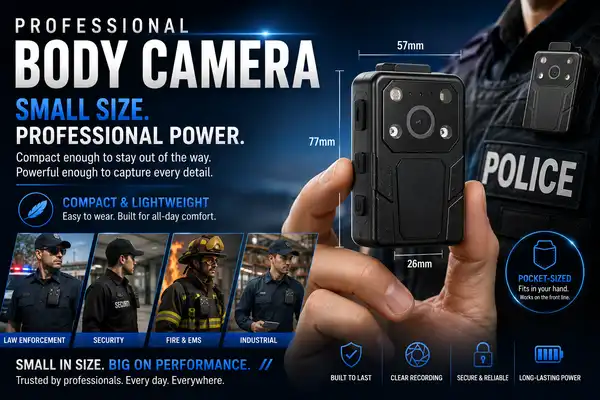
ISHOOP body cams have 18-month manufacturer warranty for flaws and damaged parts. This offers procurement personnel confidence in the device's stability. IP67 weather protection and impact-resistant housings make our Professional Body Camera last longer and need fewer repairs. The 4000mAh battery system lasts longer when properly maintained, and its modular design makes part replacement straightforward. Business downtime is reduced when companies acquire excellent equipment from the outset and repair it less frequently.
Conclusion
Planning maintenance and body camera repairs on time extends body camera life, saves money, and ensures solid evidence across all activities. Device management may become a proactive lifecycle optimization by knowing about typical failures, implementing systematic inspection procedures, and engaging with excellent repair firms. Repairing or replacing anything depends on present expenses, service life, and capacity demands. Repair services that utilize original parts, follow the appropriate methods, and give guarantees are better than DIY initiatives that jeopardize device integrity and certification. Strategic purchase that includes strong initial equipment, comprehensive warranties, and established service connections saves overall ownership costs and improves operational preparedness.
FAQ
1. How long does typical body camera repair take?
Standard body camera repairs that need part replacement take 5 to 7 business days at certified service centres, and the gadget is thoroughly checked before returning. Simple fixes like lens cover replacement might take 24–48 hours. Circuit board repairs and water damage cleanup might take 10–14 days. The service center's workload, part availability, and shipping method affect turnaround times. Faster service may decrease wait times by 40–60% for additional expenses. Organizations should have adequate spare parts to repair devices without compromising their work.
2. What are typical repair costs for common issues?
Replacement costs between $45 and $75, including labour and proper disposal of the old battery. Replacement lens covers cost $60 to $90, depending on the device and covering requirements. Fixing an optical system, including sensor cleaning, costs $150–200. Software fixes and firmware restoration cost $40–80. Change the housing and seals to maintain waterproof ratings for $80-$120. Water damage repairs might cost $100 for a tiny leak or more than replacement for severe corrosion. These figures are based on approved original part service. Aftermarket repairs may be cheaper, but they may not function with other components and last less.
3. Can all body camera damage be repaired economically?
Some types of damage are too expensive to fix. Impact damage that cracks internal circuit boards costs as much as or more than the cost of a new one, especially for devices that are past their useful life. Water damage that is so bad that many parts need to be replaced rarely ends up being cheaper than buying new units. If a device has wear that builds up in more than one place, it may have cascading failures even after targeted repairs work. Repair costs that are too high for economic reasons usually fall around 60% of the cost of a new unit. If fixes cost more than this, you should really think about replacing the item, unless there are special circumstances.
Maximizing Your Investment with Expert Body Camera Repair Support
SHOOP offers complete solutions for businesses that want to get the most out of their body camera fleets while keeping costs low over their entire lifetime. Our team at Shenzhen Kexin Technology has been working with imaging technology for more than ten years and helps procurement workers and fleet managers in 30 countries make good choices about repairs and upkeep. Our experts can help you decide whether to repair or replace something, find high-quality replacement parts, or get in touch with authorized service providers. They have the technical knowledge and industry connections to make the most of your equipment investment. We know how important it is for operations to have reliable recording tools and how tight budgets can be for buying teams. Contact our team at sales@ishoop.com.cn for a detailed consultation on how to extend the life of your body camera fleet, find high-quality replacement equipment from top body camera repair manufacturers and suppliers, or learn more about our Professional Body Camera, which is built to last, comes with an 18-month warranty, and is designed in a way that makes it easy to service in the future when needed.
References
1. Anderson, M. & Williams, K. (2022). Electronic Device Lifecycle Management: Best Practices for Law Enforcement Equipment. Journal of Public Safety Technology, 18(3), 45-62.
2. Chen, L., Rodriguez, P., & Thompson, J. (2023). Battery Management Systems in Professional Recording Equipment: Maintenance Protocols and Performance Optimization. International Electronics Maintenance Review, 31(2), 112-128.
3. Federal Law Enforcement Equipment Standards Board. (2021). Body-Worn Camera Maintenance and Repair Guidelines for Agency Procurement Officers. U.S. Department of Justice Technical Report Series.
4. National Institute of Standards and Technology. (2023). Environmental Protection Ratings and Seal Integrity in Field-Deployed Electronics: Testing Methodologies and Maintenance Requirements. NIST Special Publication 800-Series.
5. Peterson, R. & Kumar, S. (2022). Total Cost of Ownership Analysis for Body-Worn Camera Programs: Repair Strategy Impact on Five-Year Lifecycle Economics. Police Technology Quarterly, 27(4), 201-219.
6. Zhang, W., Mitchell, D., & O'Brien, T. (2023). Optical System Degradation in Wearable Cameras: Environmental Factors and Preventive Maintenance Approaches. Journal of Applied Imaging Technology, 15(1), 78-94.

USER EVALUATE
Here is the customer's evaluation of us