



Benefits of Using a Traffic Police Body Camera
Traffic cops encounter unforeseen scenarios that require precise documentation and unambiguous responsibility, whether patrolling congested roadways, responding to accident sites, or on the roadside. Traffic Police Body Cameras are revolutionizing evidence collection, officer and civilian safety, and shift transparency. These wearable recording devices provide objective visual and audio documentation that enhances legal processes, operational operations, and community confidence. Modern Traffic Police Body Cameras are essential for agencies that value professionalism and public safety because of their tough durability, high-resolution recording, prolonged battery life, and secure data encryption.
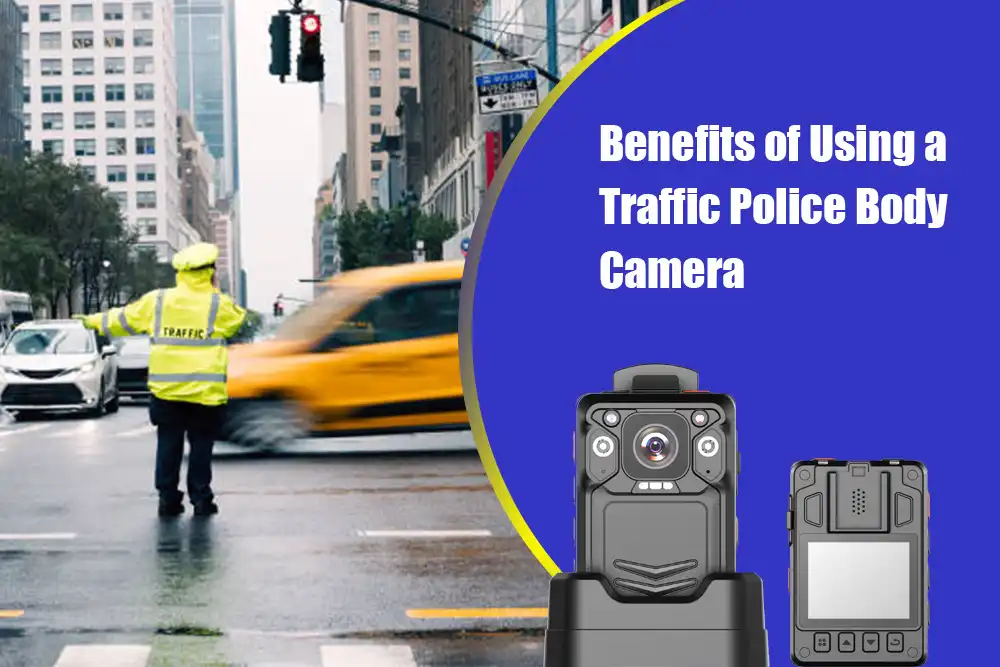
Understanding Traffic Police Body Cameras: Features and Functions
Traffic Police Body Cameras record the officer's direct interactions and ambient context during enforcement, unlike vehicle-mounted dashcams. These little devices capture what officers see and hear during traffic stops, accident investigations, and roadside inspections when mounted on uniforms utilizing secure clip systems or rotatable mounts.
Core Technical Specifications That Matter
Traffic Police Body Cameras today have numerous key characteristics that assure dependable performance over long shifts. Despite poor lighting, 1440P recording catches license plates, face characteristics, and ambient conditions in crystal-clear footage. The OV05A20 sensor and Ambarella H22 chipset maximize image processing and power economy, letting officers record constantly without sacrificing quality. Based on departmental demands and evidence preservation regulations, 32GB to 256GB storage solutions are available. Larger versions can retain over 24 hours of continuous HD film, ensuring cops never run out during long shifts or several occurrences. Battery performance matters too, with 3200mAh capacity allowing 12 hours of 1080P recording or 15 hours at lesser resolutions, matching common shift durations.
Durability and Environmental Protection
Traffic officers' gear is exposed to rain, dust, extreme temperatures, and physical impacts. IP67 waterproof Traffic Police Body Cameras work during severe rain or snowstorms. Drop resistance up to 2 meters prevents falls during exercise or unexpected meetings. This durable design keeps the device recording at crucial documentation periods.
Key Benefits of Using Traffic Police Body Cameras in Law Enforcement
Implementing Traffic Police Body Cameras in traffic enforcement units offers benefits beyond video capturing. Research shows that cops wearing cameras receive less complaints, interact more professionally, and provide better legal evidence.
Enhanced Accountability and Transparency
Traffic Police Body Cameras show police operations in context, protecting cops and people. Video footage settles traffic stop and use of force claims. Studies show that departments utilizing body cameras reduce use-of-force instances by 50% because recording technology drives professionalism. Transparency in community interactions builds confidence via accountability. Citizens who know their contacts are recorded cooperate more, and cops are protected from false claims that may harm careers or department reputations.
Streamlined Evidence Collection and Case Resolution
Traffic enforcement requires extensive evidence for fines, DUI arrests, accident investigations, and criminal charges. Traffic Police Body Cameras automatically record license plate information, driving conduct, field sobriety testing, and witness accounts without police intervention. Automated evidence collecting speeds up case processing and minimizes paperwork. Pre-recording captures 30 seconds to one minute of film before the officer manually initiates recording, preserving contextual information before occurrences. This capability is useful when circumstances rise fast, and police can't record before important occurrences. Post-recording captures footage after manual deactivation, preventing premature recording termination in current scenarios.
Choosing the Right Traffic Police Body Camera: Market Options and Comparison
Selecting Traffic Police Body Cameras requires careful evaluation of features, performance, and vendor reliability. Law enforcement camera manufacturers make several types, but knowing how they meet traffic enforcement demands helps make smart investments.
Essential Feature Comparison Considerations
Procurement teams should emphasize many Traffic Police Body Camera characteristics. With a 12-hour minimum recording capacity, batteries must last during long shifts. Field playback is possible with 2-inch displays and small device profiles that don't hinder officer movement. Another important issue is the Traffic Police Body Camera video resolution, with 1440P models showing more detail than 1080P ones. Higher resolution is useful for recording license plates from afar or accident scene details that need amplification during evidence assessment. Night vision employing IR LED technology allows recording in low-light circumstances during evening and nighttime shifts. Mounting system flexibility influences officer comfort and camera placement. MOLLE-compatible mounts or CLICKFAST studs may support numerous uniform setups, while the 360-degree rotatable crocodile mount captures ideal viewing angles. Lightweight 140-gram construction minimizes fatigue during lengthy periods while preserving durability.
Evaluating Long-Term Reliability and Support
Vendor reputation and after-sales support affect overall ownership costs and operational success beyond initial requirements. Warranty coverage should last at least 18 months to prevent premature failures and show the manufacturer's confidence in product quality. Technical assistance helps departments configure, debug, and maximize equipment capabilities. CE, ROHS, IP67, IK09, and ISO certification assure quality production and government procurement compliance. These certifications show that devices have been rigorously tested and fulfill standards for professional law enforcement use.
Procurement Considerations for B2B Clients in Law Enforcement
Government procurement requires careful attention to standards, vendor qualifications, and compliance. Understanding these factors helps procurement managers make difficult purchase decisions while optimizing value and avoiding risk.
Defining Clear Procurement Objectives
Objectives that represent departmental goals and operational needs are key to the Traffic Police Body Camera acquisition. Cost efficiency must be balanced against performance objectives, since cheap choices typically fail or require early replacement. In public safety applications where equipment failure might affect evidence gathering or officer safety, reliability is paramount. Departments must verify devices fulfill evidence management, privacy, and data security standards, which affects procurement decisions. Working with lawyers and IT experts during specification creation saves costly compliance issues after implementation.
Vendor Evaluation and Selection Criteria
Manufacturing skills, quality control, and law enforcement client experience must be considered while assessing providers. Manufacturers with dedicated R&D teams are committed to ongoing improvement and technical innovation. The 2015-founded Shenzhen Kexin Technology Co., Ltd. specializes in Traffic Police Body Cameras and brings knowledge and proven solutions to traffic enforcement applications. After-sales assistance distinguishes great sellers from average ones. Throughout device lifecycles, responsive technical assistance, extensive training, and easily available replacement parts keep departments operating. Procurement managers should check vendor promises of support, responsiveness, and problem resolution with customer references.
Addressing Common Concerns and Best Practices in Body Camera Usage
Successful Traffic Police Body Camera systems involve deliberate regulations, extensive training, and continuing program management that addresses valid concerns and maximizes operational advantages, not just superb technology.
Privacy and Data Security Protocols
When Traffic Police Body Camera recording technology enters public settings, privacy issues arise, necessitating balanced regulations that safeguard individual rights and promote transparency. Departments should have clear regulations on when to record, when to record discretionarily, and when to avoid recording to safeguard privacy. These rules should follow state and federal privacy regulations and reflect community values. Data security must prevent illegal access, manipulation, and premature deletion of recorded evidence. Audit logs record all access attempts and modifications, while role-based access restrictions restrict evidence viewing to authorized people. Even if physical equipment or storage systems are hacked, recording and storage lifecycle encryption precludes unauthorized reading.
Video Retention and Evidence Management
Effective evidence management systems automatically apply retention periods and categorize recordings by content. Ordinary patrol recordings may be kept for 60-90 days, but arrest, use of force, and complaint footage must be kept longer to comply with legal requirements and statutes of limitations. Automated retention management saves critical evidence and reduces regular footage storage expenses. During or after recording, metadata tags the video that needs specific processing, improving evidence management. Officers can register arrests, use-of-force incidents, and complaints to trigger retention schedules and supervisor notifications. The systematic approach guarantees that crucial evidence is properly treated throughout its lifespan.
Training and Standard Operating Procedures
Officers get extensive training on Traffic Police Body Camera usage, departmental procedures, and recording laws. Manual recording activation, mounting and placement, battery management, and typical difficulties should be covered in training. Policy training covers required vs discretionary recording, notification, and evidence processing. Refresher training emphasizes correct use and provides new features or policies. Officers may identify recording circumstances and practice responding to technical issues and public complaints with scenario-based training utilizing actual film. Training boosts program performance and lowers policy infractions that damage trust.

Conclusion
Traffic Police Body Cameras improve transparency, officer and civilian safety, and evidence collection throughout everyday operations. 1440P resolution, improved battery life, durable build, and advanced security features make modern devices reliable enough for law enforcement. Proper adoption requires thoughtful procurement, thorough privacy rules, and regular training to optimize device capabilities and ensure legal compliance. Quality body camera programs minimize complaints, strengthen legal cases, improve community connections, and boost police professionalism, improving service quality.
FAQ
1. What storage capacity should traffic departments select for body cameras?
Setting storage capacity relies on recording resolution, shift duration, and evidence retention protocols. Departments recording at 1080P should consider 64GB as the minimum capacity for 10-12 hours of continuous recording. Over 24 hours of HD film may be stored in 128GB or 256GB for 1440P or extended shift covering agencies. Using average daily recording volumes and available capabilities offers enough storage without unused capacity costs.
2. How do body cameras differ from vehicle dashcams for traffic enforcement?
Dashcams record fixed exterior views from vehicle positions, whereas Traffic Police Body Cameras record cops' first-person contacts. This distinction is important when police approach automobiles, conduct field sobriety tests, or pursue subjects away from patrol cars during traffic stops. Dashcams overlook evidence, but body cameras record throughout these acts. Both technologies work together to chronicle traffic enforcement using synchronized footage.
3. What certifications are essential for government procurement of body cameras?
Government procurement usually demands IP67 waterproof certification for outdoor activities to prevent dust and water immersion. ROHS certification restricts hazardous compounds, whereas CE marking verifies worldwide safe European norms. IK09 grade indicates police enforcement-related physical impact resistance. ISO quality management system accreditation shows production uniformity and quality control. Verifying these certificates during purchase ensures equipment meets professional standards and decreases failure risk.
Partner with Shenzhen Kexin Technology Co., Ltd. for Your Traffic Police Body Camera Solutions
Shenzhen Kexin Technology Co., Ltd. offers complete Traffic Police Body Camera solutions to law enforcement organizations. Since 2015, we have designed and manufactured professional body-worn cameras for traffic enforcement and public safety. Our engineers mix new technology with practical functionality to create gadgets that work successfully at key documentation times. Our versatile ODM and OEM services tailor features, branding, and specs to your department's needs. Competitive bulk pricing makes large-scale deployments affordable, and our 18-month guarantee and fast technical assistance protect your investment throughout device lifecycles. Our CE, ROHS, IP67, and IK09-certified equipment exceeds strict government procurement regulations and provides officers with reliable equipment every shift. Contact our procurement professionals at sales@ishoop.com.cn for product details and to discuss your needs. policebody-cameras.com has our whole body camera portfolio. Discover why departments worldwide trust Shenzhen Kexin Technology Co., Ltd. for important evidence documentation.
References
1. Police Executive Research Forum. (2018). "Cost and Benefits of Body-Worn Cameras: New Data and Key Questions." Washington: Office of Community-Oriented Policing Services.
2. Ariel, B., Farrar, W.A., & Sutherland, A. (2015). "The Effect of Police Body-Worn Cameras on Use of Force and Citizens' Complaints Against the Police: A Randomized Controlled Trial." Journal of Quantitative Criminology, 31(3), 509-535.
3. White, M.D., & Fradella, H.F. (2016). "Stop and Frisk: The Use and Abuse of a Controversial Policing Tactic." New York: NYU Press.
4. Lum, C., Koper, C.S., Merola, L.M., Scherer, A., & Reioux, A. (2015). "Existing and Ongoing Body Worn Camera Research: Knowledge Gaps and Opportunities." Fairfax: Center for Evidence-Based Crime Policy, George Mason University.
5. Miller, L., Toliver, J., & Police Executive Research Forum. (2014). "Implementing a Body-Worn Camera Program: Recommendations and Lessons Learned." Washington: Office of Community Oriented Policing Services.
6. National Institute of Justice. (2016). "Body-Worn Camera Program Toolkit for Law Enforcement." Washington: U.S. Department of Justice, Office of Justice Programs.

USER EVALUATE
Here is the customer's evaluation of us