



5 Tactical Advantages of Military-Grade Body Cameras
When your team is operating in high-stakes scenarios, you need equipment that won’t let you down. A tactical body camera does so much more than just capture video; it offers mission crucial documentation, real-time accountability, and evidence integrity that may make or destroy an operation. Whether you are outfitting law enforcement officers, security personnel, firefighters, or emergency medical teams – knowing the key differences between consumer-grade devices and military-grade wearable body cameras can transform how your organization manages risk, ensures compliance, and protects staff and the public.
Military-grade body cameras are characterised by durable engineering, enhanced imaging capabilities, longer operating duration, and built-in smart features suitable for severe field circumstances. These gadgets are not only recording tools but digital witnesses that underpin legal systems, improve transparency and give the situational awareness needed in difficult situations. Let’s look at the five tactical benefits that make these professional body cams a must-have for 21st-century frontline operations.
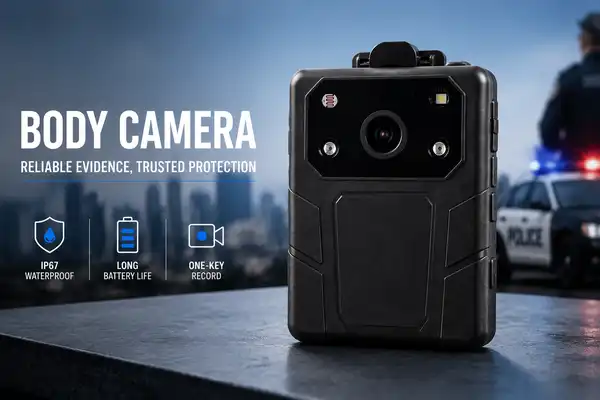
Enhanced Situational Awareness Through Superior Video Quality
Video clarity isn't a luxury—it's a tactical necessity. The difference between capturing a license plate number or identifying a suspect often comes down to image resolution and low-light performance.
High-Resolution Imaging for Critical Details
Military-grade cameras deliver high-definition video that captures fine details essential for evidence collection and operational review. The wide-angle 140-degree lens on advanced models ensures comprehensive field of view, minimizing blind spots during dynamic situations. This coverage matters when documenting traffic accidents, security incidents, or emergency responses where peripheral action can be just as important as the central event.
Advanced Night Vision Technology
Darkness shouldn't compromise your documentation capabilities. Infrared night vision technology extends recording effectiveness up to 15 meters with visible face detection, even in near-zero light conditions. The built-in infrared light ensures clear image capture during nighttime patrols, late-shift security rounds, or emergency rescue operations. This capability addresses what industry experts call the "low-light visibility gap"—the point where standard cameras fail but military-grade devices continue delivering actionable footage.
Real-Time Decision Support
Superior video quality directly supports immediate tactical decision-making. Command centers can view live feeds through optional WiFi connectivity, allowing supervisors to assess situations as they unfold and provide real-time guidance to field personnel. The 2-inch LCD display enables on-site playback for immediate verification, helping officers confirm details before leaving a scene or security personnel validate incident reports while events remain fresh.
Clear, reliable footage from tactical body camera strengthens after-action review processes, training programs, and accountability measures. When firefighters review rescue operations or medical teams analyze emergency responses, high-quality video reveals procedural strengths and improvement opportunities that grainy footage simply cannot provide.
Robust Durability Designed for Extreme Operational Conditions
Field equipment is subjected to harsh circumstances every day. Each part is proven against rain, dust, collisions, temperature fluctuations, and persistent motion.
IP67 Waterproof Protection
The IP67 waterproof designation means these portable body cameras are water-resistant up to one metre deep for up to 30 minutes. Traffic cops operating in downpours, security guards patrolling in snow, or firemen working next to water sources may work comfortably knowing their equipment will not fail. The housing design utilises high-strength engineering polymers that have passed thorough waterproof testing, enabling it to be used in mild to moderate rain situations without the need for protective coverings that might block the lens or controls.
Shock and Drop Resistance
Thanks to its two-metre drop resistance rating, the camera will withstand inadvertent drops during foot chases, physical confrontations or emergency evacuations. After the hit, the gadget operates properly, and the shell remains unbroken even after many drops. This robustness caters to real-world situations when equipment is subject to accidental mistreatment, such as scaling fences, moving through trash fields, or stepping in to help during violent altercations.
Temperature and Dust Tolerance
Extreme temperatures don’t halt operations. Don’t let your recording equipment stop either. Its military-grade build means it will operate in extreme heat and subzero temperatures, to help cops working outside in all seasons and security staff in unheated locations. Dustproofing safeguards internal components in building sites, warehouse settings and outdoor events where airborne particles would harm inferior equipment.
Data security is preserved even in the event of catastrophic destruction. If the housing is totally destroyed, the memory chip may be retrieved. This protects the evidence even if the actual housing is destroyed.
Extended Battery Life Enabling Longer Mission Support
When power goes out at important points in time, there are gaps in operations and possible liability concerns. Battery performance affects mission success and documentation reliability directly.
12-Hour Continuous Recording
Internal 4000mAh lithium-ion battery provides up to 12 hours of continuous recording – enough for a full shift without recharging in the middle of the day. This prolonged duration alleviates concerns about battery power depletion during protracted operations, long investigations, or unanticipated emergency circumstances. All-day surveillance police officers, 12-hour shift security guards, and emergency responders at protracted incident sites are able to record whole activities without interruption.
Efficient Charging Solutions
The charging duration of tactical body cameras is 180 minutes with a normal single charging station, so devices are ready for the following shift with little downtime. Organisations may develop effective rotation schedules where one group of cameras is being used, while another group is charging. This simplified process eliminates the administrative load of managing batteries and ensures people have equipment ready to go when they begin their shifts.
Data Continuity and Operational Readiness
Continuous power ensures data integrity throughout the recording time. The film is time-stamped and continuous, with no gaps to challenge the completeness of the evidence. The 8-digit device ID and 6-digit police ID numbering scheme allows for accurate chain of custody monitoring Battery performance allows for the whole documentation cycle from the start of the event to the end.
Battery reliability also minimises logistical problems in field operations. No backup batteries to carry. No mid-shift changes to handle. No holes in power-related proof. That dependability may be particularly useful during large-scale operations, natural catastrophes, or significant events when equipment support may be restricted.
Advanced Functionalities: GPS Tracking, Audio Quality, and Storage Solutions
Today’s tactical cameras are more than just cameras; they are integrated intelligence platforms. The more they can do, the more useful they are in operation.
GPS Location Tracking and Route Visualization
Optional GPS feature turns captured footage into geo-referenced proof. Special GPS player displays the whole path of video capture, matching the clip with the exact location. This is a great tool for traffic police recording several accident sites, security teams monitoring huge premises, or emergency personnel traversing complicated event regions. The prosecutor may show the jury mapping evidence of where people were at the time of an incident, and the supervisor can objectively confirm patrol routes and reaction times.
Secure Data Storage and Encryption
Unauthorised users cannot access the picture data, preserving sensitive information and personal privacy by encrypting the data. Password security of the administrator account prevents file deletion, preserving the integrity of evidence against manipulation. The embedded time codes in the picture data are unchangeable and hence guarantee the integrity and credibility of the recorded content. These security methods meet chain of custody criteria and legal admissibility standards that make the difference between accepted evidence and discarded film.
WiFi Connectivity for Real-Time Collaboration
The optional WiFi functionality addresses the “information silo” issue that techies refer to, where important video just sits idle until it’s manually docked. Wireless connection provides for immediate saving of evidence, live transmission to command centers during high-risk occurrences, and remote firmware upgrades that keep devices up to date without putting them offline. Officers may quickly evaluate film using a mobile app-based field playback, which helps ensure report writing accuracy and reduces documentation mistakes reliant on recollection.
360-Degree Rotatable Clip for Optimal Positioning
The completely rotating mounting clip guarantees that you get the right camera angle no matter where you wear it or how you move. This adaptability provides for a variety of uniform styles, tactical gear combinations, and operational needs. The quality of film directly depends on correct location – a camera aimed at the sky or ground would record nothing meaningful. This is a practical challenge addressed by the adjustable clip to provide constant quality of documentation in a variety of different settings and body shapes.
Compliance and Legal Considerations for Tactical Use
Technology capabilities mean little without legal validity. Understanding regulatory requirements protects organizations from liability and ensures evidence admissibility.
Chain of Custody and Evidence Integrity
Body cameras used by professionals follow strict chain of custody standards mandated by legal systems across the globe. The characteristics of password authority control, tamper-proof storage, and audit trail provide evidence handling accountability. When cases go to trial, prosecutors have to establish the film is real and has been in continuous possession. Features like unalterable time codes, device ID tracking and administrator access control provide the documentation trail that assures evidence integrity from capture to trial.
Privacy and Data Protection Compliance
The personal information recorded by tactical body cameras must be handled with due diligence in accordance with international privacy legislation. Customisable privacy settings in military-grade devices strike the correct mix between operational transparency and individual liberties. Organisations may set up triggers to record, retention policies and access rights to comply with jurisdictional obligations. It's flexibility that's key as agencies manage different requirements from state to city to country.
International Standards Certification
Devices that are CE, ROHS, IP67 and IK09 compliant show conformity with recognised worldwide quality and safety criteria. These certifications are not marketing promises – they are independent proofs that equipment satisfies regulatory criteria and functions as designed. Procurement teams may safely specify equipment knowing that certified devices meet organisational standards and regulatory criteria.
Manufacturer Support and Customization
Equipment must fulfil the unique criteria, and this requires manufacturers that understand the legal complexity of these jurisdictions. Suppliers who provide ODM/OEM customisation may tailor products to suit distinct regulatory settings, adding features that are necessary or deleting capabilities that are forbidden. This kind of engagement safeguards operational integrity and organisational reputation across markets and minimises the chance of expensive non-compliance findings post-deployment.
Smart procurement choices blend tactical success with regulatory compliance. Feature-rich, non-compliant devices are dangerous, not valuable. Organisations should choose providers that have a good grasp of the technology they may provide and the laws that apply to the use of body cameras.
Conclusion
These military-grade body cams are a baseline investment in operational excellence, legal protection, and organisational openness. The five tactical advantages of improved video quality with night vision, harsh environment durability, prolonged battery life, sophisticated features such as GPS tracking, and full legal compliance come together to provide recording solutions that work when the stakes are greatest. Whether you need to equip law enforcement officials, security professionals, firemen, medical responders, or retail security teams, these devices provide the dependability and capabilities that safeguard individuals, record truth, and stand up to legal examination. By selecting a tactical body camera that meets professional-grade criteria, you ensure that your investment will support mission success for years of rigorous service.
FAQ
1. How does a tactical body camera differ from commercial action cameras?
Professional wearable body cameras prioritize evidence integrity, secure storage, and legal compliance features like tamper-proof recording and chain of custody support. They meet IP67 waterproofing, deliver 12-hour battery life, and include administrator password protection—specifications rarely found in consumer action cameras designed for recreational use rather than evidentiary documentation.
2. What battery life should organizations expect from military-grade devices?
Quality professional body cameras deliver 10-12 hours of continuous recording on a single charge, covering full operational shifts without interruption. The 4000mAh lithium-ion battery technology combined with efficient power management ensures reliable all-day performance, eliminating mid-shift charging requirements that create documentation gaps and operational disruptions.
3. Can recorded footage be accessed remotely during operations?
Devices with optional WiFi connectivity enable real-time streaming to command centers and mobile app access for field playback. This capability provides immediate situational awareness for supervisors, supports tactical decision-making during evolving incidents, and allows officers to review footage on-scene for accurate report preparation without returning to stations.
Partner with SHOOP for Professional Body Camera Solutions
Organizations requiring dependable wearable recording equipment benefit from working directly with experienced tactical body camera manufacturers who understand both technology and operational demands. SHOOP (Shenzhen Kexin Technology Co., Ltd.) has specialized in body-worn police cameras since 2015, serving law enforcement agencies, security firms, and emergency services worldwide with devices meeting CE, ROHS, IP67, IK09, and ISO standards.
Our engineering team delivers flexible ODM/OEM customization addressing specific regulatory requirements, operational environments, and integration needs. Whether you need GPS tracking, extended battery capacity, or specialized mounting solutions, SHOOP provides responsive technical support and rapid deployment timelines. We understand procurement challenges facing agencies today and work collaboratively to ensure equipment selection aligns with both budget constraints and performance expectations.
Visit policebody-cameras.com to explore our complete product line or contact our sales team directly at sales@ishoop.com.cn to discuss your organization's requirements. As a trusted tactical body camera supplier, we deliver the quality, compliance, and reliability your frontline personnel deserve.
References
1. Police Executive Research Forum. "Implementing a Body-Worn Camera Program: Recommendations and Lessons Learned." Washington, DC: Office of Community Oriented Policing Services, 2019.
2. National Institute of Justice. "Body-Worn Camera Performance Standards and Associated Metrics." U.S. Department of Justice Special Report, 2020.
3. International Association of Chiefs of Police. "Body-Worn Camera Model Policy Framework." Alexandria, VA: IACP Law Enforcement Policy Center, 2021.
4. Bureau of Justice Assistance. "Body-Worn Camera Toolkit: Implementation Guide for Law Enforcement Agencies." U.S. Department of Justice, 2020.
5. RAND Corporation. "Evaluating the Effects of Body-Worn Cameras on Officer Performance and Citizen Behavior: Evidence from Multiple Settings." Cambridge: RAND Safety and Justice Program, 2021.
6. Home Office Centre for Applied Science and Technology. "Body-Worn Video Technical Guidance for Police Forces." UK National Police Chiefs' Council Publication, 2022.

USER EVALUATE
Here is the customer's evaluation of us