



What Makes a Tactical Body Camera Different from Standard Body Cameras?
A tactical body camera is a durable, high-performance wearable recording device built for high-risk operating conditions, as opposed to ordinary body cameras, which are geared for everyday police and security activities. The key difference is environmental flexibility, superior sensor integration, and military-grade durability. Tactical variants have infrared night vision, GPS tracking, longer battery capacity, and IP67 waterproof certifications to ensure dependability during SWAT operations, firefighting missions, and emergency medical responses. These devices are mission-critical evidence collection instruments in difficult situations, answering the special needs of tactical deployments, while preserving the evidentiary integrity demanded by law enforcement and security professionals across the United States.
Introduction
Body cameras have become critical tools in law enforcement and security, providing transparent, real-time recording of incidents to enhance accountability and operational effectiveness. As procurement managers, security directors, and equipment distributors evaluate options for their organizations, understanding the distinctions between tactical and standard body cameras has become vital. The decision impacts not only budget allocation but also operational success during high-stakes missions. This guide clarifies these differences, focusing on key features, operational benefits, compliance requirements, and best procurement practices to support informed B2B purchasing decisions for organizations ranging from police departments to private security firms.
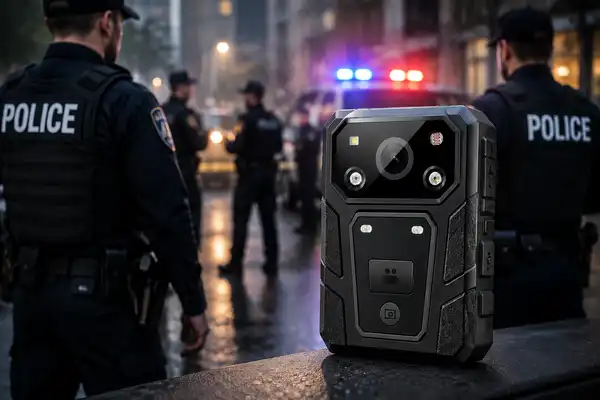
Understanding Tactical Body Cameras vs. Standard Body Cameras
Purpose-Built Design for Demanding Environments
Tactical body cameras are specialist devices that are designed for high-risk and difficult settings and exceed the normal body camera with enhanced capabilities. Normal versions are used for normal police work such as traffic stops and patrol duties, whereas tactical versions are built for specialised demands, such as those of SWAT teams, tactical units, firemen reacting to hazardous circumstances, and security professionals protecting key infrastructure. The technology required will depend on the situation in which it will be used. Tactical cameras need to be able to work reliably in smoky rooms, night raids, and in severe weather conditions ranging from desert heat to subzero cold.
Operational Environment Distinctions
Standard body cameras are often utilised in moderately controlled areas with acceptable lighting conditions and little physical stress. The gadgets capture evidence during routine contacts – providing evidence of traffic violations, customer disputes in retail settings, and routine security patrols. On the other hand, tactical cameras function in low-light conditions of less than 0.1 lux, where quick movement may produce vibrations that can compromise recording stability and can be damaged by the moisture of the rain or firefighting actions. The variation in the operating setting determines the choice of sensor and even the housing materials.
Mission Requirements and Use Case Analysis
Tactical deployments need qualities that are not typically employed in conventional systems. Emergency responders need rapid one-touch recording activation without turning up the device so that they may capture events as they happen. A command center needs a live stream to get situational awareness as it unfolds, so supervisors can assess the threat and coordinate responses appropriately. These mission-critical criteria differentiate tactical body cameras from their ordinary counterparts and justify the investment in advanced equipment for businesses undertaking high-risk activities.
Key Features That Set Tactical Body Cameras Apart
Enhanced Durability and Environmental Resistance
Tactical body cameras are built to the highest standards, so they can bear up to the rigours of heavy operational stress. The gadget is IP67 waterproof, which allows it to work even if immersed in water up to one metre for 30 minutes, providing protection during firefighting or severe rain activities. The IK09 shockproof architecture ensures the camera can handle drops and impacts that would disable consumer-grade electronics. Temperature resistance from -20°C to 60°C means recording is continuous whether cops are patrolling cold streets or firemen are entering hot premises.
Key technological parameters that characterise tactical-grade performance are as follows:
- Enhanced Video Recording: New tactical units are equipped with CMOS sensors that can record at 1296P resolution at 60 frames per second. 36-megapixel picture quality means that important elements such as license plates and face details remain intact even when in motion. The 140-degree wide-angle lens provides full coverage without blind spots, while the H.264 video compression helps optimise file size and picture quality for optimal storage management.
- Infrared Night Vision Technology: Using IR technology can record quality video even in total darkness, automatically transitioning from colour to monochrome according to the ambient light. This capacity is critical during nighttime operations when normal cameras create useless film, ensuring that evidence collection stays constant regardless of illumination conditions.
- Built-in GPS and Wireless Connectivity: Built-in GPS modules timestamp recordings with pinpoint location information, producing provable chains of evidence that capture the exact locations where occurrences happened. Wireless data transfer with Wi-Fi connection allows transmission of data to secure servers without the time-consuming docking processes needed by regular models and allows quick preservation of evidence.
- Extended Battery Performance: A powerful 3200mAh battery ensures you can make it through long shifts, delivering up to 10 hours of continuous video recording or 11 hours of audio-only use, so you won’t have to worry about charging mid-shift. This is a far better capability than normal models that usually only have 4-6 hours of recording duration.
- These sophisticated features, when combined, meet the diverse demands of tactical applications, while adhering to chain-of-custody protocols and operational dependability criteria set by police forces around the country.
Superior Data Security and Evidence Management
Tactical body cameras use encryption mechanisms to protect against unauthorised access or manipulation, safeguarding the integrity of evidence from the moment of capture until presentation in court. There is an automatic overwrite mechanism in the storage, where it will cycle to the oldest footage when full to make sure recording continues, and no documentation is lost due to a full memory. Storage choices are available from 32GB to 256GB to suit different retention needs, with higher capacity options enabling longer deployments or higher quality recording settings. The gadgets only allow data transmission over a USB cord, preventing wireless flaws that may expose important evidence.
Benefits of Tactical Body Cameras for Professional Use
Improved Situational Awareness and Real-Time Evidence Gathering
Deploying tactical body cameras offers significant operational advantages that directly impact mission success and personnel safety. Real-time evidence gathering provides command centers with immediate visual intelligence during evolving incidents, enabling supervisors to make informed tactical decisions based on actual conditions rather than radio communications alone. Officers and security personnel gain enhanced situational awareness through the psychological effect of wearing recording devices, which often de-escalates confrontations as subjects recognize their actions are being documented.
Enhanced Accountability and Legal Protection
Body-worn cameras serve as objective witnesses that protect both personnel and civilians through accurate documentation of interactions. When disputes arise regarding use of force or procedural compliance, video evidence provides definitive records that resolve conflicting accounts. This transparency strengthens community trust in law enforcement while simultaneously protecting officers from false accusations. Insurance providers increasingly recognize this risk mitigation, often offering premium reductions for organizations that implement comprehensive body camera programs with proper data management protocols.
Operational Efficiency and Training Applications
Beyond immediate evidence collection, recorded footage provides invaluable training material that helps organizations refine response procedures and improve personnel performance. Firefighters review rescue operations to identify efficiency improvements, while security teams analyze incident responses to strengthen protocols. The documentation enables after-action reviews that transform individual experiences into institutional knowledge, continuously elevating operational standards across entire departments. Law enforcement agencies report that officers wearing body cameras demonstrate improved professionalism and adherence to procedures, recognizing their actions undergo documentation and review.
Procurement Considerations for B2B Clients
Evaluating Technical Performance Metrics
The key to successful purchase is to assess tactical vs. conventional body cameras according to organisational demands such as mission environment, budget, and technical performance standards. Battery life is a major factor since devices must be able to run through whole shifts without recharging, especially for departments that work 10- 12-hour patrols. Resolution needs are a trade-off between picture quality and storage capacity, with 1296P offering the best detail retention without creating unmanageable file sizes for data management. Data security elements should be aligned with departmental standards and regulatory requirements, including encrypted storage and tamper-proof evidence chains.
Supplier Selection and Warranty Provisions
We need to evaluate production quality, certification compliance, and post-purchase support frameworks for selecting trusted vendors. Good manufacturers have CE, ROHS, IP67, IK09, and ISO certificates. These are worldwide standards of quality. Warranty terms usually last between 12 to 18 months, safeguarding investments against manufacturing flaws and offering replacement solutions that keep operating interruptions to a minimum. Large deployments might benefit from bulk purchase alternatives, quantity discounts, and flexible financing solutions that fit within budget cycles.
Compliance and Legal Considerations
Privacy Laws: Privacy laws vary widely from one country to another, and recording practices, data retention schedules, and public disclosure obligations should be carefully considered. Procurement teams should verify that the devices they choose are able to support the department’s compliance policies. Features to consider include user authentication, audit trails, and selective recording restrictions. Legal examination of camera installations assures compliance with constitutional rights, labour agreements, and state-specific laws regulating electronic surveillance. Companies that emphasise compliance throughout their procurement processes avoid expensive retrofits and legal battles that might result from poor planning.
Installation, Maintenance, and Best Practices
Optimal Mounting and Integration Protocols
Tactical body cameras are more effective and longer lasting when they are installed and maintained properly. Recommended mounting locations include chest mounts or shoulder straps that allow the camera to observe the area in front of the wearer without obstruction, so any event is captured from the wearer’s point of view. Field deployment is preceded by calibration processes that validate recording angles, audio sensitivity, and activation response. Cameras must be tested with tactical gear to verify they stay secure during fast movement and don't interfere with weapon access or protective gear.
Battery Management and Data Storage Strategies
Maintenance information includes battery management strategies to improve device life, including appropriate charging cycles and storage conditions by temperature. Departments create data retention plans based on their needs and infrastructure. Typically, they will have tiers with current cases on something that can be accessed immediately and older closed investigations on archive storage. Troubleshooting recommendations include typical difficulties, such as lens obstructions, audio failures, and connection problems, so that frontline supervisors may fix small problems without taking devices out of service.
Privacy and Security Best Practices
Privacy protection requires clear standards about when recording happens, how long video is available, and who may see saved information. User training includes the technical functioning and evidence chain processes as well as ethical issues of surveillance technologies, with a focus on these regulations. Policies for data handling include encryption requirements, access limits, and audit processes that log every incident of evidence review. Compliance audits ensure adherence to defined processes and detect holes before evidence is lost or privacy is compromised.
Conclusion
Procurement professionals may better choose the proper equipment for their operational requirements by understanding what makes a tactical body camera different from a regular body camera. The difference is its environmental robustness, superior sensors, longer battery life, and communication capabilities for high-risk missions. Organisations that send workers into challenging areas might benefit enormously from investing in tactical-grade equipment that can dependably record evidence in conditions where ordinary cameras struggle. Most professional applications demand investments that provide long-term value and operating efficiency. Therefore, the procurement process has to consider technical requirements, supplier reliability, warranty terms, and compliance alignment.
FAQ
1. What battery life can I expect from tactical body cameras compared to standard models?
Tactical body cameras typically feature 3200mAh batteries providing 10 hours of continuous video recording or 11 hours of audio-only operation, significantly exceeding the 4-6 hours offered by standard models. This extended capacity matches full shift durations without requiring mid-duty charging, which proves essential for extended operations such as special event security or emergency responses lasting beyond normal schedules.
2. Do tactical body cameras comply with privacy regulations in the United States?
Quality tactical body cameras incorporate features supporting compliance with federal and state privacy laws, including user authentication, tamper-proof encryption, and audit trails documenting evidence access. Procurement teams must verify specific devices meet jurisdictional requirements and establish departmental policies governing recording activation, data retention, and public disclosure that align with applicable regulations.
3. Can tactical body cameras integrate with existing law enforcement dispatch systems?
Modern tactical body cameras equipped with Wi-Fi connectivity integrate with dispatch and command center systems, enabling live streaming and real-time data synchronization. Integration capabilities vary by manufacturer, requiring technical assessment during procurement to ensure compatibility with existing infrastructure and communication protocols used by your organization.
Partner with SHOOP for Your Tactical Body Camera Needs
Shenzhen Kexin Technology Co., Ltd., operating under the SHOOP brand, brings nearly a decade of specialized expertise in manufacturing professional-grade wearable recording solutions for demanding operational environments. Our tactical body camera systems incorporate 1296P resolution, infrared night vision, IP67 waterproofing, built-in GPS, and extended 3200mAh battery capacity, meeting the rigorous requirements of law enforcement, security, firefighting, and emergency medical services throughout the United States. As an established tactical body camera manufacturer holding CE, ROHS, IP67, IK09, and ISO certifications, we offer ODM and OEM customization services tailored to your specific operational requirements and compliance frameworks. Our 18-month warranty and dedicated technical support ensure your investment delivers reliable performance throughout its service life. Contact our procurement specialists at sales@ishoop.com.cn to discuss bulk purchasing options, technical specifications, and customization opportunities that align with your organization's mission-critical needs.
References
1. Police Executive Research Forum. (2019). "Body-Worn Camera Performance Standards and Guidelines for Law Enforcement Agencies." Washington, DC: Office of Community Oriented Policing Services.
2. National Institute of Justice. (2020). "Body-Worn Camera Technologies: Technical Specifications and Commercial Options for Law Enforcement." U.S. Department of Justice Research Report.
3. International Association of Chiefs of Police. (2018). "Body-Worn Camera Model Policy and Implementation Guide." Alexandria, VA: IACP Law Enforcement Policy Center.
4. Bureau of Justice Assistance. (2021). "Body-Worn Camera Toolkit: Standards for Evidence Collection and Data Management in Law Enforcement." U.S. Department of Justice.
5. American Society for Testing and Materials. (2020). "ASTM F3367-19: Standard Specification for Body-Worn Video Recording Systems for Public Safety Applications." West Conshohocken, PA: ASTM International.
6. Security Industry Association. (2021). "Professional Body Camera Systems: Procurement Guidelines for Commercial Security and Public Safety Applications." Silver Spring, MD: SIA Technical Standards Committee.

USER EVALUATE
Here is the customer's evaluation of us