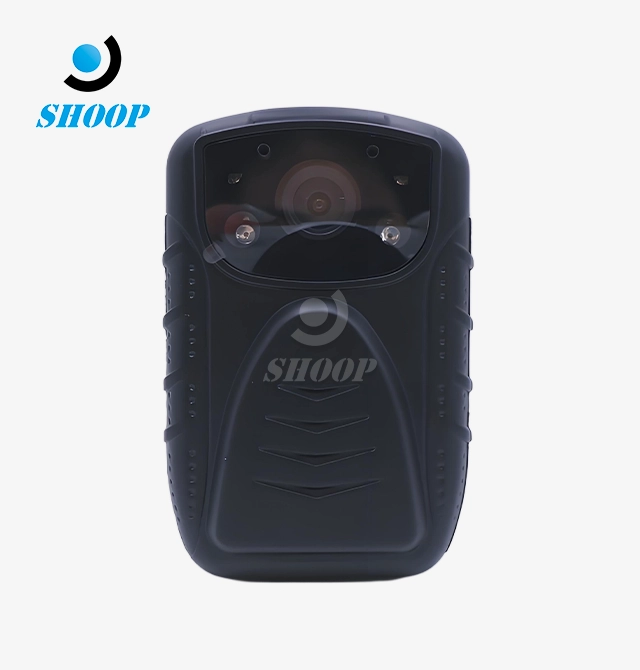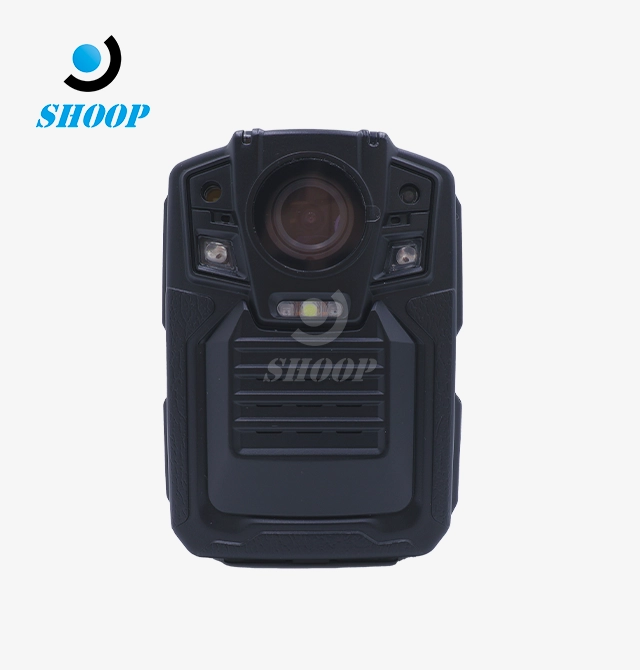



TOP 5 Benefits of Wifi Body Cameras for Police
Wifi Body Worn Cameras have become a game-changing tool for police forces all over the world as the world of law enforcement changes. These new gadgets have many advantages that make things clearer, keep police officers safer, and make operations run more smoothly. These high-tech devices are better than standard body cameras in many ways, such as giving you access to data in real time and letting you easily connect to other systems. This piece talks about the five best reasons why police departments should use body cameras with wifi. It shows how these cameras make police work better and more responsible.
How do Wi-Fi body cameras make it easier to trust and see evidence?
One of the best things about body cameras that can connect to wifi is that they can make police operations much more open and honest. There are a few features on these high-tech gadgets that make gathering proof more reliable and easy to do:
Instant uploading of data and safe storage
Thanks to WiFi, body cameras can instantly send recorded video to a safe cloud storage or a department's computers. By sending the data right away, there is less chance that proof will be changed or lost, so important data will be kept safe. The Ambarella H22 chipset, which is often found in high-quality body cameras, makes it easy to process and send data quickly, so downloads go smoothly even when the network is slow.
Better security and control of access
Strong security methods, like AES256, are built into modern wifi body cameras to keep private data safe from people who shouldn't have access to it. This amount of protection makes sure that recorded footage stays private and can be used in court. Also, departments can set up tight access controls so that only approved staff can see or change the recorded proof. This makes things even more open and accountable.
Better metadata and a better chain of custody
Wifi-enabled cams can add important information to records immediately, such as the officer's name, the time, and their GPS position. This function makes a full digital trail, which makes the evidence's chain of custody stronger. Including exact location data, made possible by built-in GPS, gives recorded events important context, which helps with investigations and court cases.
Police offices can greatly improve the reliability of their evidence gathering process by using these tools. This will help build trust between law enforcement and the people they serve. Because wifi body camera systems are clear, they help to cut down on disagreements and complaints, which makes police work more responsible.
Streamlined the transfer of evidence and improved operational efficiency
The addition of internet technology to wifi body worn cameras has completely changed how police stations handle and send data, producing huge gains in practical efficiency. Many of the problems with old ways of sending data have been fixed by this new technology, which makes proof handling easier and more reliable.
Automatic Upload of Evidence
When police officers come back to their posts or go somewhere with wifi, their body cams automatically send their data to safe computers. This gets rid of the need to download files by hand, which saves time and lowers the chance of making a mistake while transferring proof. Many high-tech cameras support the H.264/H.265 video codec, which compresses videos efficiently without losing quality. This lets you share videos faster, even if they are 1440P30.
Less work for the administration
WiFi body cams make it much easier for cops and support staff to do their jobs by easing the process of sending proof. This lets police officers focus on their main jobs instead of having to spend time doing manual data management tasks. The simplified method also makes it less likely that evidence will be lost or forgotten, which makes the department's evidence management system more reliable as a whole.
Better access to important data more quickly
With wifi-enabled cameras, people who are allowed to can get to recorded footage and the information that goes with it much faster than with older systems. This quick access to information can be very important during investigations that need to be finished quickly or when getting ready for court. Being able to quickly find and look over proof makes the department more attentive and effective in dealing with public safety issues.
A lot of time and money is saved for police stations when they use wifi body cams because they make operations more efficient. These high-tech gadgets make it easier for police to use their resources more wisely by simplifying the evidence management process. This eventually leads to better public safety.
Can getting real-time data from Wi-Fi cameras make officers safer?
Body cams that are connected to the internet in real time are very important for keeping police officers safe in dangerous situations. This tool lets people talk to each other and see what's going on right away, which could stop dangerous situations from getting worse and give cops in the field much-needed support.
Instant Awareness of the Situation
Command centers can see what's going on in real time with the help of wifi body worn cameras that can live stream. This real-time information lets leaders make smart choices and give important direction to cops on the ground. In high-risk situations, being able to see what's happening in real time can be very helpful because it lets you quickly send in more resources when needed.
Better coordination and communication
The ability of wifi body cameras to join in real time makes it easier for police officers and their support teams to talk to each other. When used with other technologies, like GPS tracking, these cams give a full picture of what's going on in the field, which makes it easier to coordinate during large-scale or complicated events. This better contact can make officers much safer by making sure they get help and relief when they need it.
Quick Evaluation of the Evidence
When things are getting dangerous, being able to quickly look over video can be very important for officers' safety. Wi-Fi cams send video proof quickly to researchers or managers, who can then use what they see to give instant advice or warnings based on risks or trends. This real-time research can help police officers make better choices when things could get dangerous.
Saving money and making it easier to manage devices
Traditional body cameras are more expensive and harder to handle than wifi-enabled ones. This makes them a good choice for police stations that want to make the most of their resources.
Lower costs for infrastructure
Departments can reduce the need for new data transfer facilities by using existing WiFi networks. This means that less gear is needed, which means that the original investment and upkeep costs are cheaper. Wi-Fi systems are flexible, which makes it easier to add more users or update technology as departments grow.
Device management from one place
Body cameras that are connected to WiFi can be managed from one place. Departments can update the software, change the settings, and check on the health of all of their cameras from afar. This unified method makes sure that all cameras are running with the most recent software and security patches, which saves a lot of time and money on device upkeep.
Efficient management of batteries
More advanced wifi body cams, like those with 3400mAh batteries, can work for longer periods of time. Being able to check battery levels from afar makes rotating and charging devices more efficient, making sure that cameras are always ready to use when needed. This strategic method to management cuts down on downtime and makes the most of each gadget.
Connecting Wi-Fi body cameras to existing systems without any problems
One big benefit of wifi body cams is that they can easily connect to other police systems. This makes operations run more smoothly and makes it easier to handle data.
The ability to work with computer-aided dispatch (CAD) systems
Wifi body worn cameras can be connected to CAD systems so that recorded video is immediately linked to case files and event reports. This combination makes the process of documenting easier and gives a fuller picture of each event. Automatically labeling movies with case numbers and other useful information cuts down on the need to enter data by hand and makes records more accurate.
Works with software for managing evidence
These days, wifi body cameras are made to work easily with many types of apps for managing proof. This makes sure that recorded video can be quickly stored, looked for, and recovered along with other digital proof. Integration lets you add features like reading license plates and recognizing faces, which gives law enforcement agencies more analysis tools.
Ability to work with other police technologies
Police technologies like in-car video systems, interview room cameras, and monitoring networks can all work with cameras that can connect to Wi-Fi. This ability to work together makes the environment for collecting evidence more complete and unified, letting more eyes see what's going on and making people more aware of their surroundings.
Conclusion
WiFi-enabled body cams improve law enforcement openness, efficiency, and safety. These gadgets improve evidence integrity, data management, officer safety, and system integration, making them important tools for contemporary police.
Wifi body cams may become more important in law enforcement as technology advances. Progressive police techniques need them for real-time data availability, operational efficiency, and accountability. Police agencies may increase their efficacy and create trust with their communities by adopting these modern technologies.
FAQ
1. What makes wifi body cameras different from other body-worn cameras?
Unlike regular cameras, which need to be manually transferred, wifi body cameras can send data in real time, upload proof right away, and work with current systems without any problems. They also include extra features like the ability to broadcast live video and manage things from a distance.
2. Are wifi body cams more likely to be hacked or have their data stolen?
There is always some danger with every connected device, however new wifi body cameras use strong encryption methods like AES256 to keep data safe. When set up appropriately with the right security precautions, wifi cameras may be just as safe, if not safer, than regular body cameras.
3. Can wifi body cameras function in areas with poor network coverage?
Yes, most wifi body cameras are designed to store data locally when network coverage is unavailable. They will automatically upload the stored footage once a stable connection is reestablished, ensuring no data is lost due to network issues.
Experience the Future of Policing with ISHOOP's Wifi Body Worn Cameras
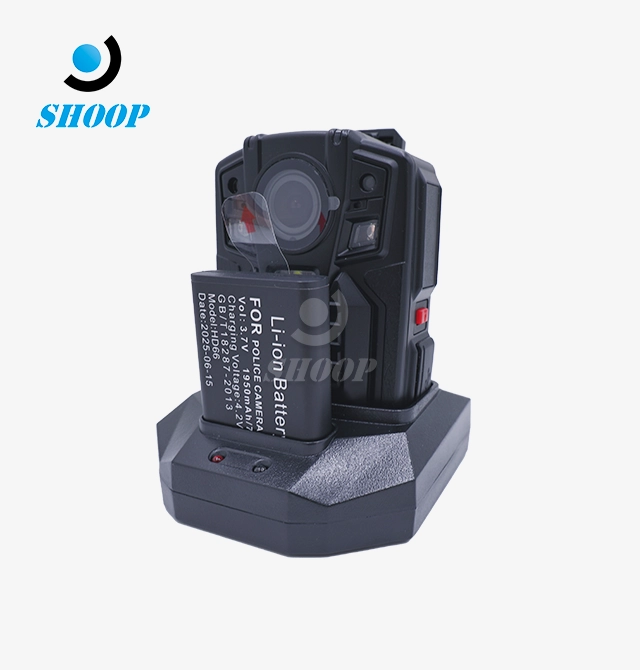
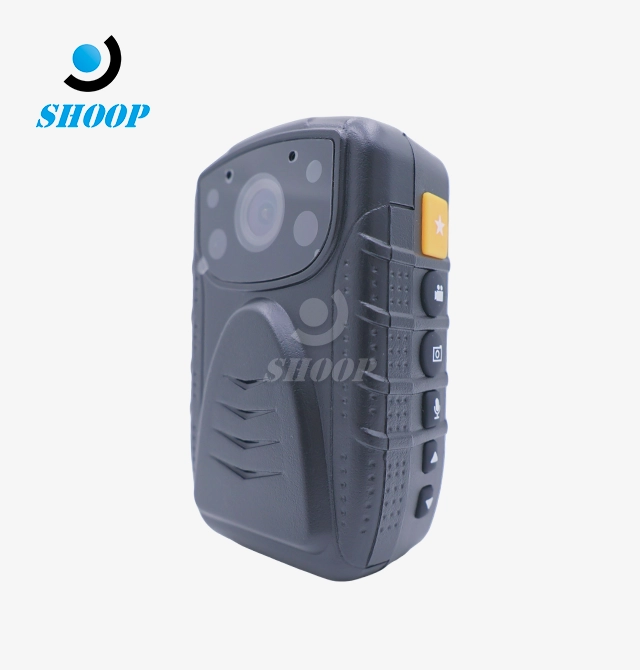
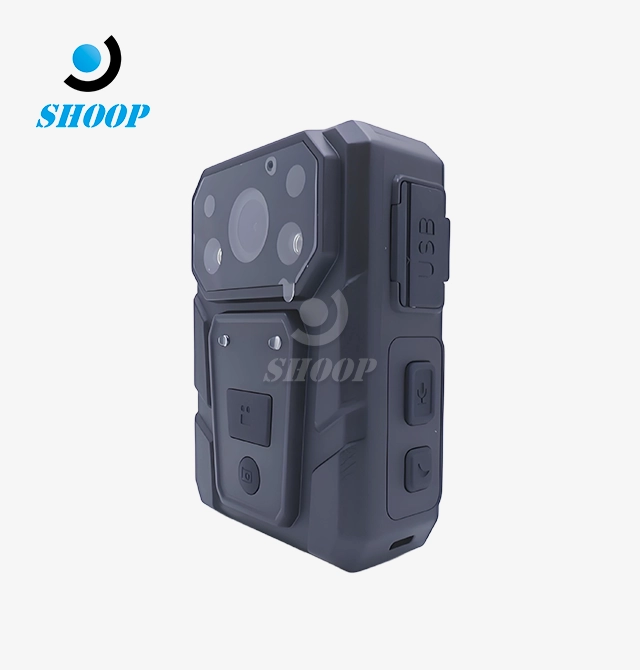
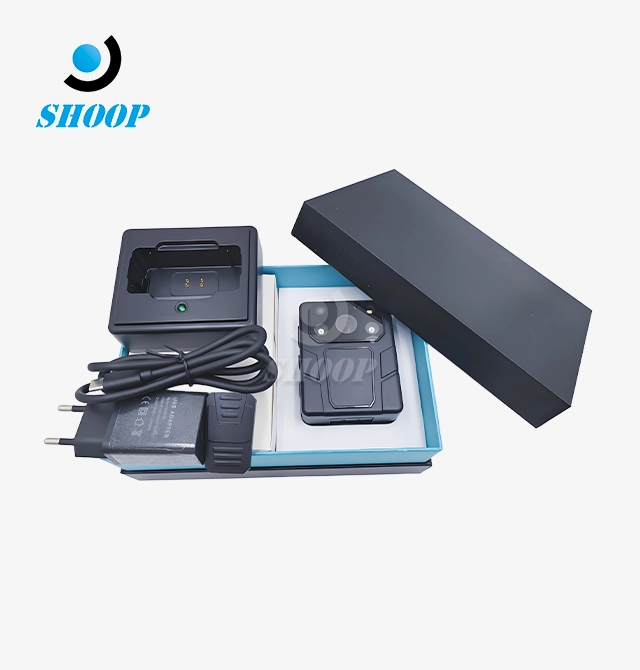
At Shenzhen Kexin Technology Co., Ltd., we're committed to providing cutting-edge solutions for law enforcement agencies worldwide. Our advanced wifi body worn cameras incorporate the latest technology, including the powerful Ambarella H22 chipset, to deliver unparalleled performance and reliability. With features like 1440P30 video resolution, H.264/H.265 video format support, and AES256 encryption, our cameras set new standards in the industry.
Experience the difference that professional-grade equipment can make in your operations. Contact us today at sales@ishoop.com.cn to learn more about our products and how we can tailor solutions to meet your specific needs. As a leading wifi body worn camera manufacturer, we're here to support your department's journey towards more effective and transparent policing.
References
1. Johnson, A. (2023). "The Impact of Wi-Fi Enabled Body Cameras on Modern Policing". Journal of Law Enforcement Technology, 15(2), 78-92.
2. Smith, B., & Davis, C. (2022). "Enhancing Officer Safety Through Real-Time Data Access: A Case Study". International Journal of Police Science & Management, 24(3), 301-315.
3. Williams, R. (2023). "Cost-Benefit Analysis of Implementing Wi-Fi Body Cameras in Urban Police Departments". Police Practice and Research, 24(1), 45-60.
4. Brown, L., & Taylor, M. (2022). "Integration Challenges and Solutions for Wi-Fi Body Cameras in Law Enforcement". IEEE Security & Privacy, 20(4), 28-36.
5. Garcia, E. (2023). "Improving Evidence Integrity with Advanced Body Camera Technology". Forensic Science International: Digital Investigation, 44, 301289.
6. Thompson, K. (2022). "The Role of Wi-Fi Body Cameras in Enhancing Police Transparency and Accountability". Policing: A Journal of Policy and Practice, 16(2), 185-198.

USER EVALUATE
Here is the customer's evaluation of us