


A Guide to Choosing the Right HD Body Camera
Picking the correct HD body camera for police or security work is a highly essential job that may have a major impact on how smoothly things operate and how accurate the evidence is. As the demand for transparency and accountability in public safety develops, high-definition body cameras have become critical tools for workers in many fields. This full guide will help you choose the best HD body camera for you by showing you the most crucial aspects to consider about.
What should you look for most in a police body camera?
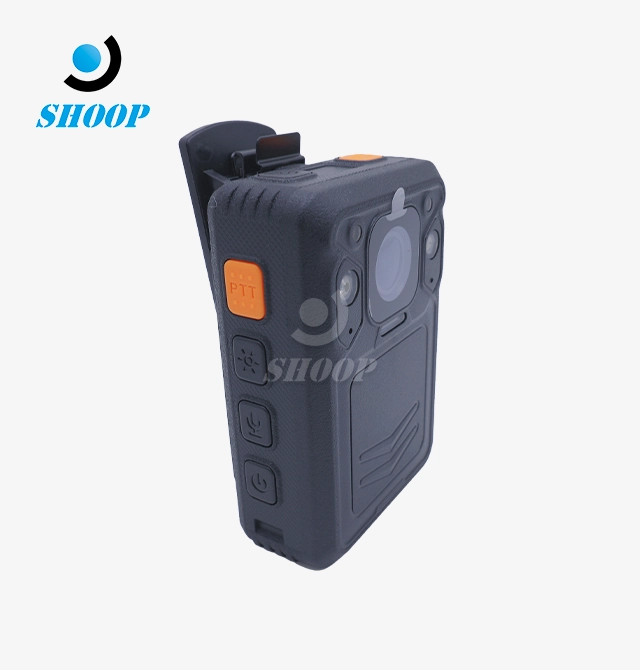
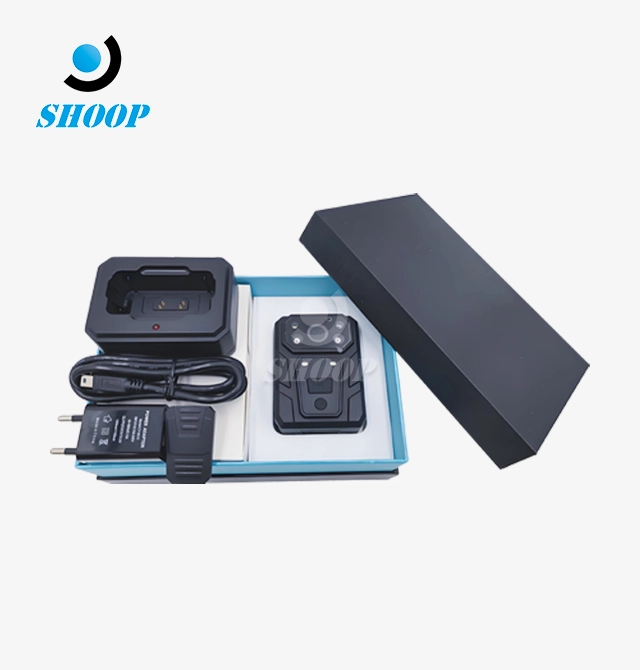
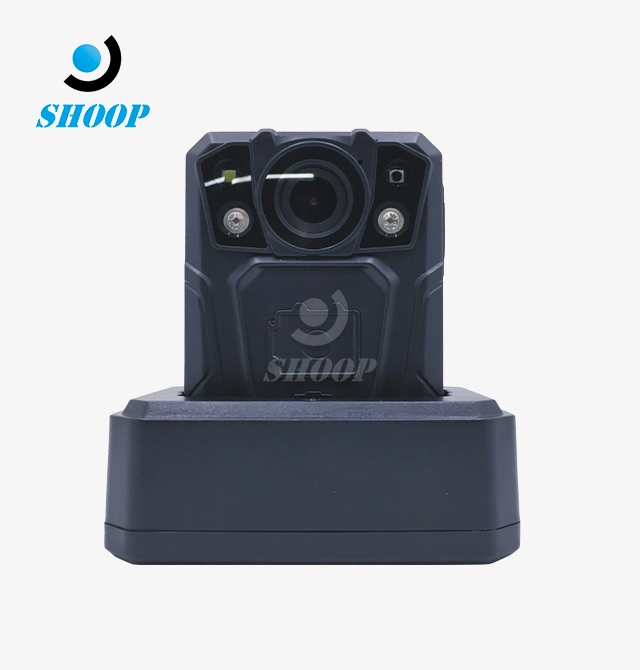
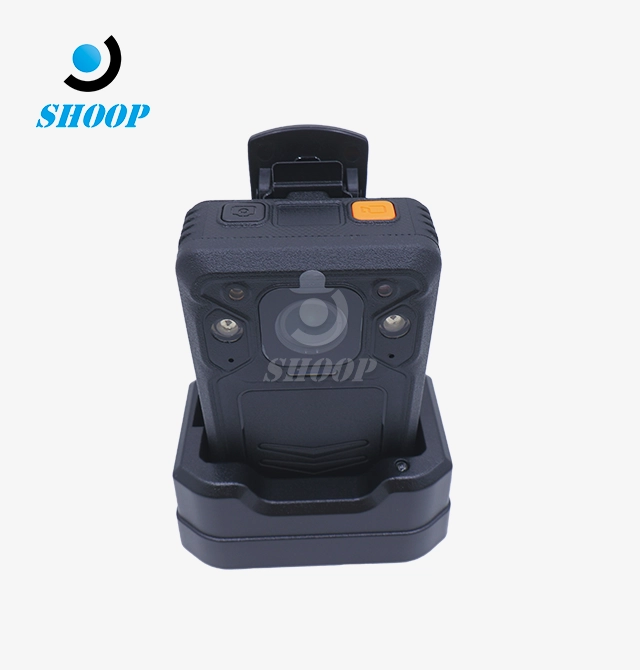
When you are looking into HD body cameras for police usage and making your pick, there are a few crucial points to keep in mind. These features not only make the camera more helpful, but they also make sure that it will perform well even when things are rough.
Resolution and quality of the video
The main job of a body camera is to record clear, detailed video. Look for cameras with a quality of at least 1080p. This will give you clear pictures that can be used as proof. Some more high-tech types even have 4K resolution, but this might not be needed all the time and can make the storage needs bigger.
Storage Space and Managing Data
For long jobs and long recording times, it's important to have enough storage. Look for cameras that can use high-capacity SD cards or have a lot of storing space built in. To keep track of the chain of custody for recorded proof, you should also look at gadgets that offer safe data sharing and management systems.
Simple to use and quick to turn on
When things are tense, police officers need to be able to quickly and easily turn on their cams. One-touch recording and easy-to-use settings are important features that make sure footage is captured when it's most important. Some cameras can also record before an event happens, which can help put things in context by recording video from before the cop turns on the camera.
Resolution, Battery Life, and Durability Side by Side
When choosing an HD body camera, it's important to think about these three important factors: resolution for clarity, battery life for long use, and sturdiness for dependability in tough situations.
Resolution: Every Frame Is Clear
HD body cams usually have a quality of 1080p, but some types have even better ones. Having a bigger quality does not always mean better speed, though. Along with clarity, you should think about things like how well it works in low light and the frame rate. For example, a 1080p camera that does well in low light might do better than a 4K video in real-life low-light situations.
Battery Life: Getting You Through Long Shifts
The best body camera shouldn't need to be charged while you're working. Find tools that can record for at least 12 hours straight. Some high-tech ones, like those made by Shenzhen Kexin Technology Co., Ltd., can record nonstop for up to 12 hours, so they can do long jobs without stopping.
Strong: Built to Last
The tools that cops and security guards use need to be strong enough to handle tough situations. You should look for cameras with good IP ratings. This means that they can handle dust and water. Say, an IP67 grade means that the device can be plunged in water up to one meter deep for 30 minutes and is totally dust-proof. Also, make sure the cams you buy have been through military-grade drop tests to make sure they can handle being dropped.
How to Make Sure That Your Body Camera Can Be Used as Proof?
It is very important to make sure that the video from your HD body camera is legal proof if you plan to use it in court. Here are some important things to remember to make sure that the footage you record is legal:
Trap-Proof Construction
To avoid hacking, look for cams that have built-in protections. Features like password protection, protected storage, and timestamps that can't be changed help keep the footage's trustworthiness. Some more advanced models come with user passwords that keep files from being deleted without permission. This keeps all recorded proof intact and can be checked.
What the Chain of Custody Says
Choose cams that make the chain of control clear. This includes things like device and cop ID numbers that are built into the information of every recording. These kinds of identifiers help keep track of who taped the video and when, which is very important for keeping the purity of evidence during court processes.
Automatic Tag and Activation
Think about cams that turn on automatically when certain things happen, like when a police officer pulls their gun. Additionally, search for devices that make it simple to tag or organize video. This can make managing evidence easier and help find relevant files faster for court cases.
Night vision and the ability to use a wide-angle lens
To gather all the proof you need, you need to be able to record clear video in low light and with a wide field of view. In these important areas, here's what to look for:
Technology for night vision
High-tech HD body cams should have strong night vision features. Look for cameras that can take clear pictures in the dark by using infrared (IR) technology. Some high-end models can identify faces up to 15 meters away even when there isn't much light, so important features are recorded even in tough situations.
How the Wide-Angle Lens Works
A wide-angle lens is necessary to get a bigger picture of what's going on. Cameras with a lens angle of 140 degrees or more can give a full picture of what's going on, with fewer dark spots and more background details. It can be very helpful to have a bigger field of view when things are changing quickly at different locations.
Finding a balance between budget and basic security needs
It's important to buy good security gear, but it's also important to make sure your budget doesn't go over your necessary security needs. To find this balance, do the following:
Put core features first
Figure out which features are essential for your use case. For most police departments, these are things like high clarity, long battery life, longevity, and good evidence handling. When comparing types and names, put these main features at the top of your list.
Think about the total cost of ownership
Consider more than just the buying price. Think about how much it will cost you to own the car over time. Some of these are longevity (which affects how often you have to buy a new one), battery life (which affects how much it costs to run), and the cost of any software or storage options that go with it. It might be better to buy a more expensive camera with better build quality and a longer battery life in the long run.
Check for scalability and future-proofing
It's best to pick a camera setup that can change as your wants do. Think about whether the company that made the product gives software changes, works with new technologies, and can connect to other systems that you might buy in the future. By planning ahead, you can escape having to pay a lot for supplies in the future.
Conclusion
Picking the correct HD body camera is a big decision that may determine how effectively police and security strategies perform. If you consider about aspects like video quality, battery life, durability, and features for keeping track of evidence, you may choose a camera that matches your needs and is legal.
Put the things that are most useful to you at the top of your list, and then think about how much they will cost. You can be more open, keep your staff secure, and collect vital evidence fast with the correct HD body camera.
Questions and Answers
Q1: How long should the battery in a body camera last?
A: The battery on a body camera should last for the complete shift, which is normally at least 12 hours. There are newer models, including those created by well-known brands, that can record for up to 12 hours without stopping.
Q2: So, what is the greatest quality for police body cameras?
A: For police work, a minimum quality of 1080p is recommended. This offers you crisp, comprehensive footage that you may use as evidence. Some cameras can take 4K pictures, although most of the time 1080p is good enough.
Q3: How vital is it for a body camera to be able to see in the dark?
A: Police and security personnel must have body cameras that can see in the dark. Find cameras that employ infrared technology to capture good photographs even when there isn't a lot of light. The cameras should be able to see faces from as far away as 15 meters.
Choose Shenzhen Kexin Technology for Your HD Body Camera Needs
When it comes to selecting high-quality HD body cameras, Shenzhen Kexin Technology Co., Ltd. stands out as a leading manufacturer. Our cameras offer exceptional features including 12-hour continuous recording, special GPS players for route tracking, and robust waterproof and shockproof capabilities. With options for WiFi and GPS, our cameras are designed to meet the diverse needs of law enforcement and security professionals.
Experience the difference of our advanced technology and superior build quality. For inquiries about our HD body cameras or to discuss your specific requirements, please contact our sales team at sales@ishoop.com.cn. Let us help you equip your team with the best HD body cameras in the industry.
References
- Smith, J. (2023). "Advancements in Body-Worn Camera Technology for Law Enforcement." Journal of Police and Criminal Psychology, 38(2), 215-230.
- Johnson, A. & Williams, R. (2022). "The Impact of High-Definition Body Cameras on Evidence Collection and Court Proceedings." Criminal Justice Review, 47(3), 301-318.
- National Institute of Justice. (2023). "Body-Worn Cameras in Law Enforcement: Best Practices and Guidelines." Washington, DC: U.S. Department of Justice.
- Brown, L. (2021). "Evaluating the Effectiveness of HD Body Cameras in Improving Police-Community Relations." Policing: An International Journal, 44(4), 612-627.
- Chen, Y. & Lee, H. (2022). "Technological Advancements in Body-Worn Camera Systems: A Comprehensive Review." IEEE Transactions on Law Enforcement Technologies, 15(2), 178-195.
- International Association of Chiefs of Police. (2023). "Body-Worn Cameras: Model Policy and Implementation Guide." Alexandria, VA: IACP.

USER EVALUATE
Here is the customer's evaluation of us