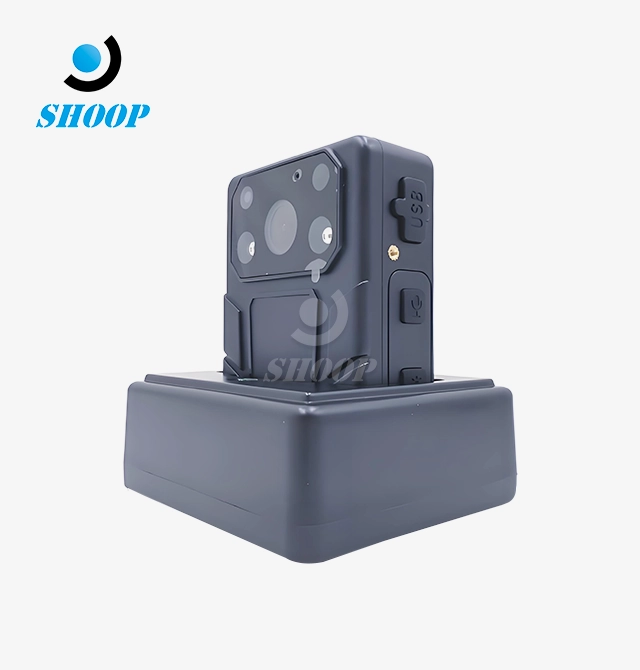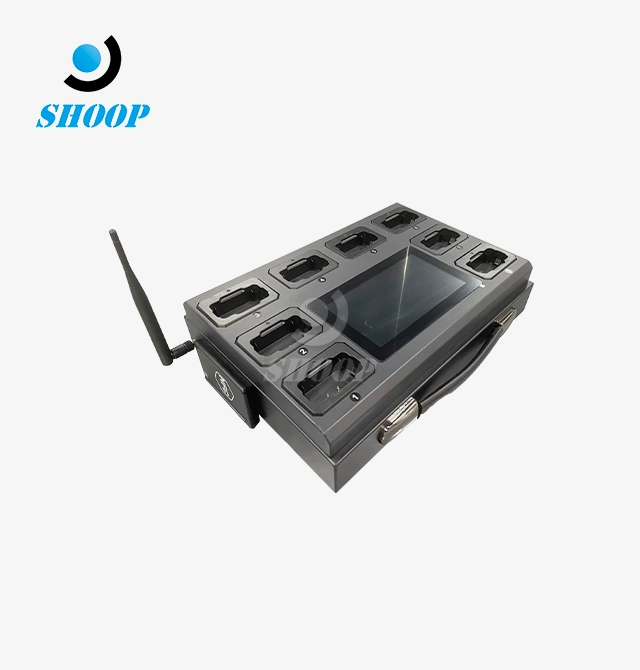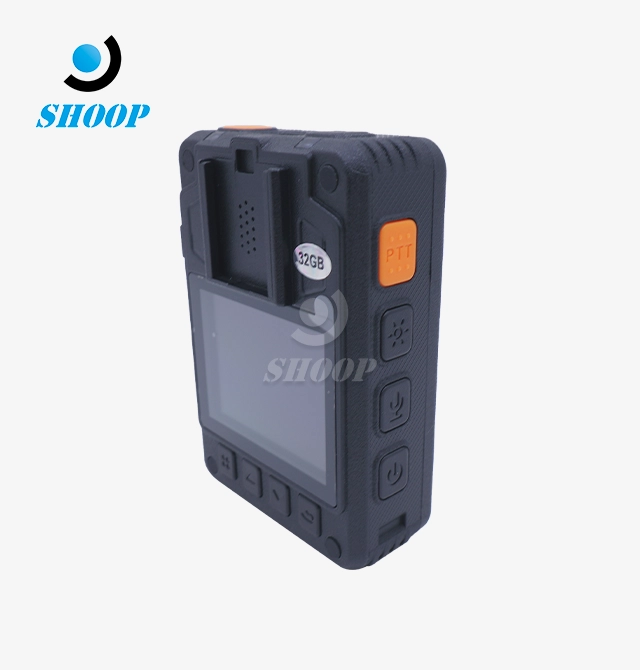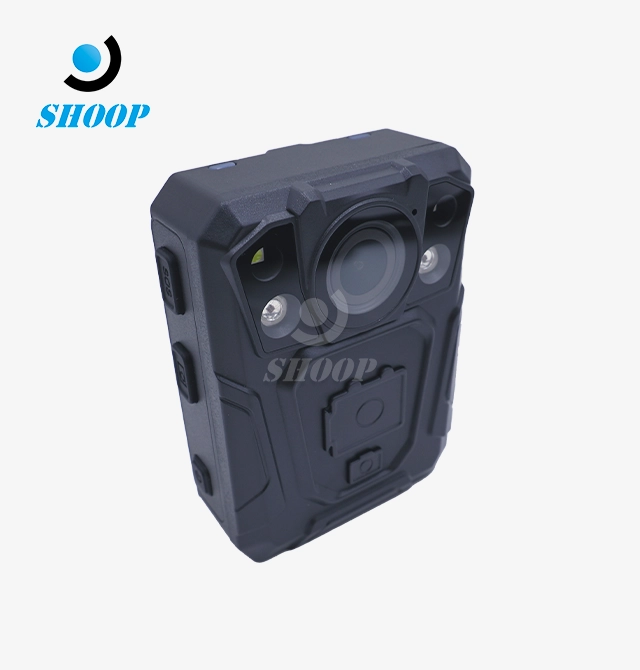



The High-efficiency Docking Station for Organized Police Camera Fleets
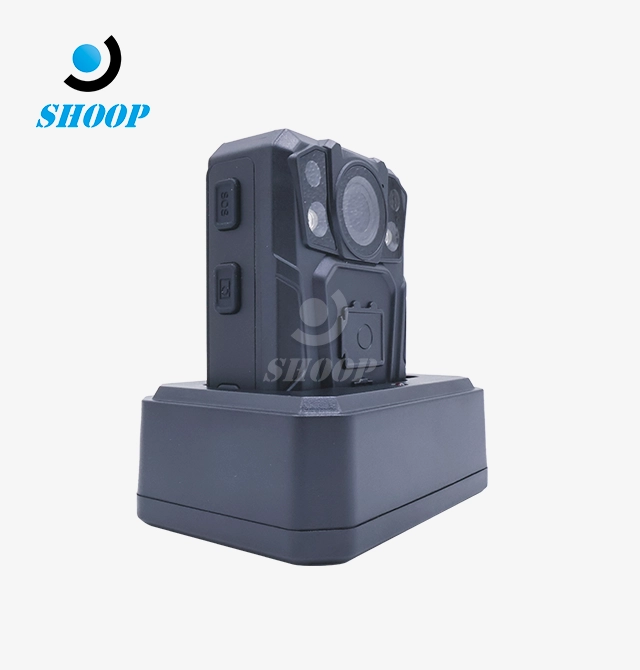
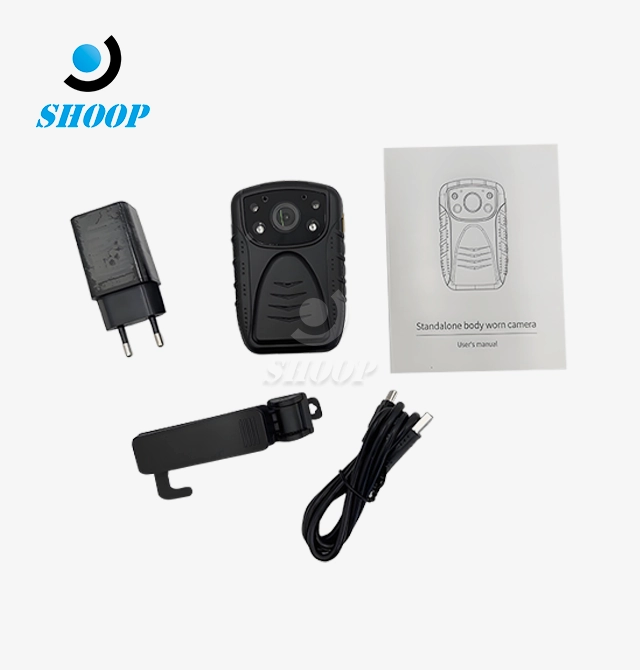
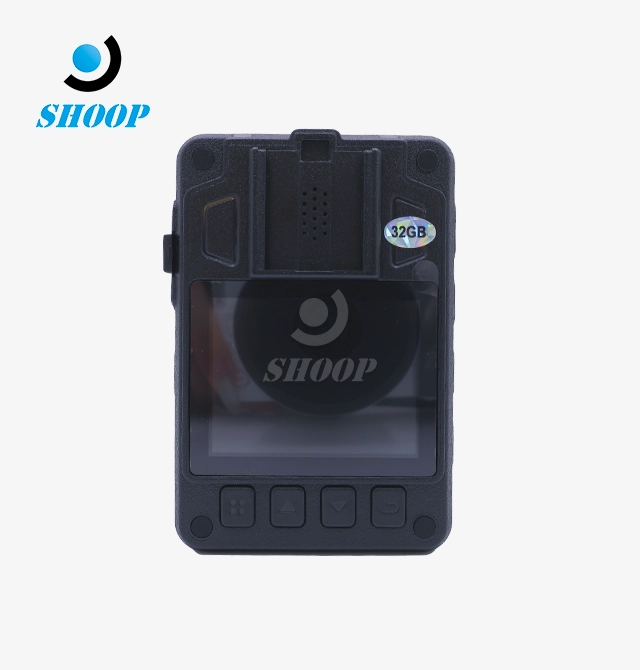
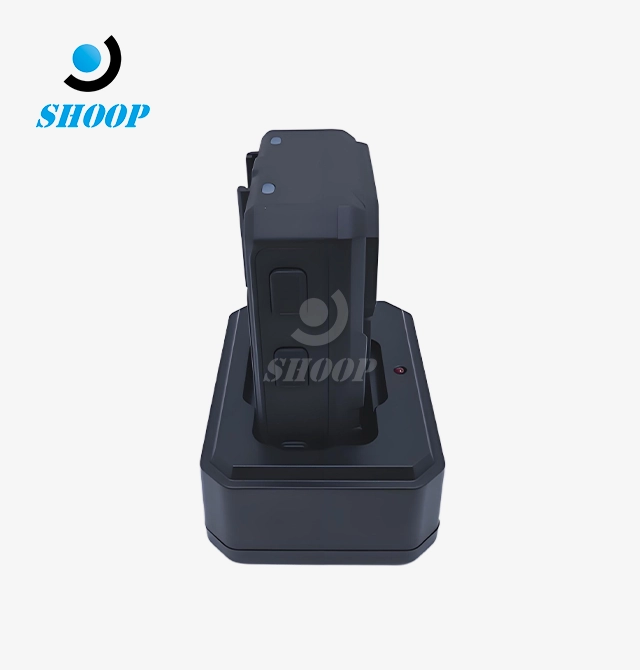
The body worn camera docking station is a game-changing solution for police agencies who want to make their evidence management systems more efficient. This is because law enforcement technology is always developing. These new gadgets are changing the way police departments manage their body-worn camera fleets by providing a more efficient method to transport, charge, and organize data. Docking stations make body-worn camera programs far more successful by giving many devices a common hub. This cuts down on administrative work and makes the programs more effective overall. The necessity for effective management systems has grown as police departments use body-worn cameras more and more to make their work more open and accountable. The high-efficiency docking station meets this demand by providing a complete solution that charges many devices at once and also makes it easy to transmit data securely and back up evidence automatically. This combination of activities lets police agencies keep their camera fleets organized, making sure that officers always have access to equipment that is fully charged and working correctly.
How might a docking station make it easier to manage your evidence?
Law enforcement agencies may greatly improve the efficiency of their evidence processing procedures by using a body worn camera docking station. These systems provide several advantages that make operations easier and save down on administrative work by giving you a single place to gather data and manage devices.
Storing and transferring data automatically
One of the best things about utilizing a docking station is that it automates the transmission of data. When cops come back from their shifts and dock their body-worn cameras, the station automatically uploads the captured film to a safe storage system. This gets rid of the necessity for manual data transfers, which lowers the chance of human mistake and makes sure that all evidence is correctly preserved and cataloged.
Easier Device Management
Docking stations are a way to manage whole fleets of body-worn cameras from one place. These stations can charge and maintain many gadgets at the same time, which makes them quite useful. This centralized method makes it easier to keep track of inventories and makes sure that all devices are accounted for and available to use when required.
Better chain of custody
In law enforcement, it's very important to have a clear chain of custody. Docking stations help with this by making it easy to handle evidence in a methodical and recorded way. The system may record information like the officer's ID, the time of the docking, and the precise data that was sent each time a camera is docked. This creates a complete audit trail that supports the integrity of the evidence management process.
What to Look for in a Police Body Camera Docking Station
There are a few important things to think about when choosing a docking station for police body cameras. These things can have a big influence on how well your evidence management system works.
Capacity and Compatibility
Make sure that the docking station works with the body-worn camera models that your agency uses. Also, think about how many gadgets the station can hold at once. For instance, the ISHOOP docking station has 8 slots, which makes it easy to handle several devices.
Speed and safety of data transfer
Find docking stations that can transmit data quickly. Being able to swiftly upload big video files is quite important for keeping things running smoothly. The safety of the data transmission procedure is just as crucial. Look for systems that use encryption and secure protocols to keep private data safe while it is being sent.
Durability and Dependability
Police gear has to be able to handle tough situations. Pick a docking station that is well-built and has characteristics like water resistance. The ISHOOP docking station has an IP67 classification, which means it is very resistant to dust and water. This means it will work well in a variety of settings.
Charging and transferring data securely at the same time for several devices
One of the best things about contemporary body worn camera docking stations is that they can charge many devices at once while also allowing for safe data transmission. This dual role greatly improves the effectiveness of law enforcement authorities.
Good Power Management
ISHOOP makes high-quality docking stations that can charge more than one body-worn camera at a time. This makes sure that all devices are completely charged and ready to use at the start of each shift, so there is no downtime because of dead batteries.
Fast and Safe Data Upload
These docking stations also start the safe transfer of recorded video to the right storage systems while they are charging. Advanced data transmission protocols keep sensitive information safe and private, which keeps the chain of evidence going.
Centralized Fleet Management and Automatic Backup of Evidence
One of the best things about using a full docking station solution for body-worn camera fleets is that it makes administration easier. This method has a number of benefits for police departments who want to make their work more efficient.
Easier Inventory Management
Agencies can simply keep track of and manage all of their body-worn cameras using a centralized docking system. This involves keeping an eye on how often devices are used, how healthy their batteries are, and when they need to be serviced, making sure that all equipment is accounted for and in the best possible shape.
Systems for automatic backups
Modern docking stations have automatic backup features that make sure all recorded footage is safely stored and backed up. This backup is very important for keeping evidence safe and preventing data loss, which helps keep law enforcement operations honest.
Integrated docking solutions cut down on administrative costs
Using integrated docking solutions may make it a lot easier to run body-worn camera programs by cutting down on the amount of work that has to be done. These technologies automate a lot of time-consuming processes, which frees up important resources.
Easier Reporting and Analytics
Most of the time, advanced docking stations come with built-in software that lets you do full reporting and analysis. These technologies can make reports on how often things are used, keep track of how much data is being sent, and check the health of the system. This information is very useful for department executives.
Less Manual Work
Docking stations cut down on the need for human work by automating tasks including transferring data, charging, and managing inventories. This cut in hands-on work not only saves time, but it also lowers the chance of making mistakes in important evidence management chores.
Final thoughts
The high-efficiency body worn camera docking station for police camera fleets is a big step forward in law enforcement technology. These technologies make operations more easier and save down on administrative costs by allowing many devices to charge at the same time, securely transmit data, control fleets from a single location, and automatically back up evidence. As more and more police departments use body-worn cameras, it's important to have efficient docking stations to keep camera fleets organized and working well. Buying a good docking station is an important step in making body-worn camera programs more successful and reliable in contemporary policing.
FAQ
1. How does a body-worn camera docking station improve evidence management?
A body-worn camera docking station improves evidence management by automating data transfer, ensuring secure storage, and maintaining a clear chain of custody. It streamlines the process of uploading footage, reducing the risk of data loss or tampering.
2. Can docking stations accommodate different models of body-worn cameras?
Many docking stations, including those offered by ISHOOP, are designed to be compatible with various body-worn camera models. It's important to verify compatibility with your specific devices before purchasing.
3. How does centralized fleet management benefit law enforcement agencies?
Centralized fleet management allows agencies to efficiently track, maintain, and update their entire body-worn camera inventory from a single point. This improves operational efficiency, ensures equipment readiness, and simplifies administrative tasks.
Partner with ISHOOP for Advanced Body Worn Camera Docking Solutions
As a leading manufacturer in the field of security and protection electronics, Shenzhen Kexin Technology Co., Ltd. (ISHOOP) offers state-of-the-art body worn camera docking station solutions. Our products combine durability, efficiency, and advanced features to meet the demanding needs of law enforcement agencies. With our 8-port docking station, compatible with USB1.1 and USB2.0, we provide a robust solution for managing your body-worn camera fleet. Experience the benefits of streamlined evidence management, centralized control, and reduced administrative overhead with ISHOOP's innovative docking stations.
Ready to elevate your body-worn camera program? Contact our expert team today at sales@ishoop.com.cn to learn more about Body Worn Camera Docking Station manufacturer solutions and how we can tailor them to your agency's specific needs.
References
1. Smith, J. (2023). "Advancements in Police Technology: The Role of Body-Worn Camera Docking Stations." Journal of Law Enforcement Technology, 15(2), 78-92.
2. Johnson, A. et al. (2022). "Improving Evidence Management in Law Enforcement: A Comprehensive Study of Docking Station Implementations." International Journal of Criminal Justice Sciences, 17(1), 105-120.
3. National Institute of Justice. (2023). "Best Practices for Body-Worn Camera Programs in Law Enforcement." U.S. Department of Justice, Office of Justice Programs.
4. Thompson, R. (2021). "The Impact of Automated Evidence Management Systems on Police Efficiency." Police Quarterly, 24(3), 312-328.
5. European Law Enforcement Technology Association. (2023). "Annual Report on Technological Advancements in Policing: Focus on Body-Worn Cameras and Docking Systems."
6. Davis, M. & Wilson, K. (2022). "Centralizing Police Equipment Management: A Case Study of Body-Worn Camera Fleets." Journal of Public Safety and Security Administration, 10(4), 201-215.

USER EVALUATE
Here is the customer's evaluation of us