



How to Choose the Best Body Camera with GPS for Your Business
Choosing the right body camera with GPS for your organization requires evaluating video quality, location accuracy, durability, storage capacity, and battery performance. These wearable devices combine high-definition recording with precise geolocation tracking, creating verifiable documentation essential for law enforcement, security personnel, traffic management, emergency services, and retail operations. The integration of GPS technology transforms standard video evidence into actionable, georeferenced data that strengthens accountability, legal compliance, and operational transparency across diverse professional environments.
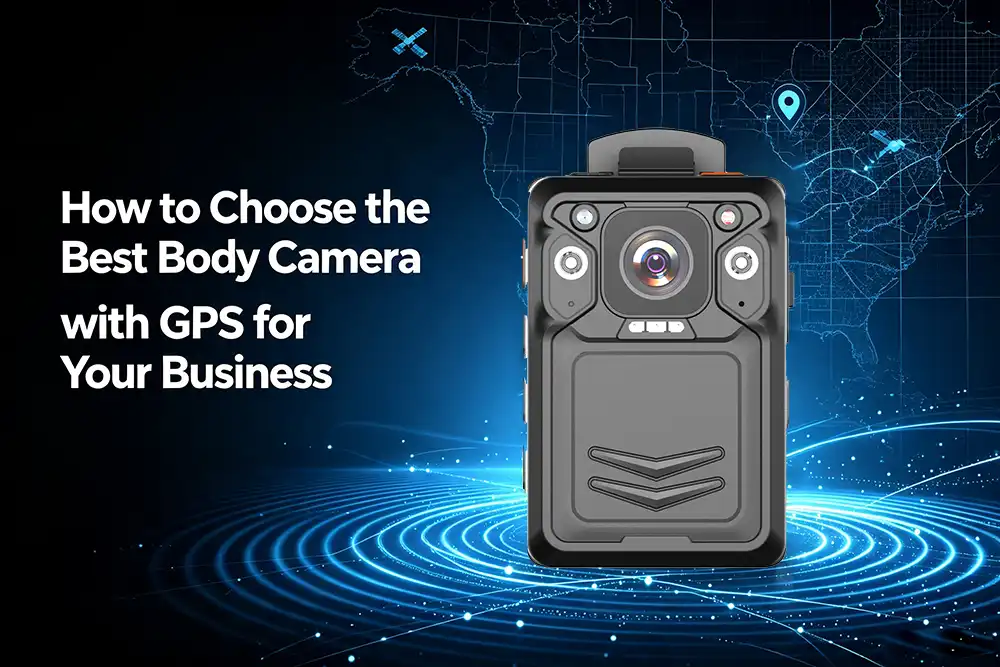
Understanding GPS-Enabled Body Cameras and Their Business Value
Learn about body cameras with GPS and how they can help your business.
Body cameras with GPS units are a big step forward in technology for responsibility. These systems sync video footage with exact geographical coordinates by adding information about the location to every frame of video that is recorded. By synchronising everything, a consistent chain of custody is made that shows not only what happened but also exactly where it happened.
In addition to taking basic pictures, body cameras with GPS give you real-time information about what's going on. During active operations, command centers keep track of where field workers are located. This lets them respond faster to situations and use resources more efficiently. When a police officer or security guard goes to a crime scene or a business to patrol, dispatchers can see exactly where they are on digital maps and watch live video feeds at the same time.
The importance of the business goes across many areas. Traffic police record accident scenes with exact location stamps, which ends arguments about where the accidents happened. Firefighters record rescue operations with embedded coordinates. This helps analysis teams figure out how spaces relate to each other after an emergency. Security staff at hospitals keep clear records of where fights happened in medical facilities. This keeps both staff and patients safe by making records that can be checked.
Proof-of-presence evidence is helpful for manufacturing and transportation. When inspectors go to remote infrastructure places, they make reports that are time-stamped and location-verified to show that they followed the rules. This geographical verification stops false reports and makes sure that quality control methods happen at the right places.
Why GPS Integration Matters for Professional Documentation
Normal body cameras with GPS record video without showing where the person is in space. Adding GPS adds a crucial dimension by answering the basic question: where did this happen? More and more, courts want this level of detail when they check the accuracy of proof. Visual records and location data confirmed by satellites work together to make proof that can stand up to close legal review.
Operational Advantages Beyond Evidence Collection
Tracking in real time changes how workers are managed. During shift operations, supervisors keep an eye on guard routes, make sure that service is being provided, and look for response gaps. When someone calls for help, GPS coordinates send extra help straight to their location, without having to wait for radio communication to catch up. This awareness of space improves both safety and operational efficiency at the same time.
Core Criteria for Selecting the Best GPS-Enabled Body Camera
Structured evaluation systems that match gadget capabilities with practical needs are needed for purchasing choices. Before the selection process starts, user roles and deployment contexts should be made clear.
Defining Your Operational Requirements
While working long shifts, police need devices that can handle physical confrontations and keep recording the whole time. Security guards in stores need designs that aren't obvious and won't scare customers, but can still record clear proof in case of a disagreement. Traffic cops need buildings that can stand up to bad weather and keep working even when it rains or snows.
Think about how long your usual shift lasts. Devices with 3200mAh batteries can record continuously for about 10 to 12 hours, which is enough time for normal work shifts without having to be charged in the middle of the shift. Operations that need to cover more ground need batteries with more power or power solutions that can be switched on the fly.
Essential Performance Specifications
GPS accuracy determines how reliable evidence is. Multi-constellation tracking (GPS, GLONASS, Galileo, and BeiDou) is used by professional-grade devices to get accurate location within 2.5 meters. This level of accuracy is very important when writing down events that happen near property lines or making sure that patrol routes are finished.
Video quality has a direct effect on how useful proof is. The ISHOOP body camera with GPS's OV05A20 sensor gives it 1440P quality, so it can clearly capture license plates and face features even when the lighting is bad. The H.264/H.265 decoding optimises file sizes without reducing quality, so you can record for longer on the same amount of space.
During activities, storage freedom is important. Different evidence retention policies can be met by devices with 32GB to 256GB of storage space. Larger storage sizes are better for businesses that record a lot of audio every day, while 64GB may be enough for smaller teams to transfer data once a week.
Durability Standards for Demanding Environments
Professional body cameras with GPS must have waterproof ratings of at least IP67 so they can work in the rain and keep dust out. The 2-meter drop protection standard is very important when devices hit the ground during fights or accidental drops.
MIL-STD-810G compliance means that the product has been tested in a wide range of environments, including those with high and low temperatures, vibrations, and high and low humidity. These licenses set professional-grade gear apart from cheaper options on the market that break down when used at work.
Supplier Reputation and Support Infrastructure
Long-term value is based on how trustworthy the manufacturer is. Companies that have been around for a while, like Shenzhen Kexin Technology Co., Ltd., which has been around since 2015, show a long-term dedication to improving their products and helping their customers. Their 18-month guarantee is longer than the industry standard, which shows that they are confident in the quality of their products.
The availability of technical support affects the continuity of operations. Suppliers who offer quick troubleshooting help cut down on downtime when technical problems happen. Check to see if makers offer training materials, software changes, and extra parts for the whole duration of the device.
Technical and Operational Insights Into GPS Body Camera Features
Knowing how GPS integration works makes its practical benefits and execution needs more clear.
GPS Technology Integration Architecture
GNSS (Global Navigation Satellite System) receivers are built into modern body cameras with GPS. These receivers can talk to multiple satellite constellations at the same time. This multi-constellation method cuts down on Time To First Fix (TTFF), which lets devices set accurate position locks within seconds of turning on.
Location information is built right into the metadata of video files or created as synchronised sidecar files with GPS logs in NMEA (National Marine Electronics Association) format. This structure makes sure that location information and video footage that goes with it can't be separated. This keeps the purity of the evidence throughout the chain of custody.
Internal clock drift is stopped by atomic clocks in space automatically synchronising with each other. This level of accuracy makes sure that timestamps are correct on all devices, which is very important when putting together footage from different officers who responded to the same incident.
Battery Management for Extended Operations
The 3200mAh battery volume in professional devices strikes a good mix between size and run time. Smart power management systems reduce the amount of energy used by devices when they find themselves in a stationary position. This increases battery life without lowering location accuracy when the device is moving.
Quick-charge features let you charge partially during short breaks. Devices that can charge to 50% in 30 minutes or less can be used for split-shift operations, where workers quickly go back to their desks between tasks.
Battery level indicators let you know before the power runs out. Officers can switch to backup devices or go back to charging stations before important recording chances happen because they can see what's going on.
Data Management and Security Protocols
AES256 encryption keeps recorded proof safe from people who shouldn't be able to see or change it. This encryption standard is strong enough for the military and meets the legal requirements for handling evidence in all courts.
Built-in 4G and WiFi make it easier to send and receive data with cloud-based evidence tracking tools. When devices connect to safe networks, footage uploads automatically. This cuts down on the need to handle data by hand and the risk of losing proof.
Access controls make sure that only authorised users can see what's being shown. Every time evidence is accessed, an audit trail keeps track of it. This creates openness that helps with both internal investigations and court cases.
Regulatory Compliance Considerations
Privacy laws are very different in different areas and industries. European GDPR rules are stricter than many U.S. state laws when it comes to how data must be handled. Understanding the rules that apply before launch helps keep costs down by preventing costly compliance violations.
Different places have different rules about recording notice. In some places, recording must be marked with obvious signs, while in others, recording sounds without permission is illegal. Check area rules when making a procurement.
Legal requirements for keeping evidence must be in line with data retention policies. Police departments are required by law to keep video images for certain amounts of time. Private security companies, on the other hand, may have different obligations based on their contracts.
Comparing GPS Body Cameras: Making the Smart Choice
To compare different devices, you need to know how their capabilities vary and how to match features to operational objectives.
GPS-Enabled Versus Standard Body Cameras
Normal body cameras record events without showing where they happened. Body camera with GPS integration adds location verification that proves where incidents happened, getting rid of witnesses who gave different stories about where events happened. This regional certainty makes court cases stronger and makes it easier to handle insurance claims.
Real-time tracking features that are only available on body cameras with GPS change how operations are coordinated. Spatial awareness helps command offices that are in charge of many field units better distribute resources and speed up response times.
Alternative Tracking Solutions and Their Limitations
Smartphone GPS apps may seem like a good way to save money, but they also make operations more vulnerable. Since video and location records are kept on separate devices, they need to be synchronised by hand, which can lead to data being out of order. Consumer smartphones don't meet the standards for longevity needed in the workplace; they break when they're dropped or exposed to water or other harsh conditions.
Dashcams that are mounted on cars record from a fixed angle, making them unsuitable for patrolling on foot or working inside of buildings. Body cameras with GPS follow workers around all shift long, recording exchanges that happen away from vehicles.
Key Feature Comparisons
The ability to see in the dark (night vision) makes an operating useful in low light. Infrared lighting lets clear recordings be made during searches at night, when there isn't any obvious light to let suspects know that they are being watched.
The waterproof rating of IP67 makes sure that it works reliably even when it rains, and it keeps out water up to one metre deep for 30 minutes. This safety is necessary for people who work outside in weather that changes quickly.
The 2-inch HD screen lets you look at footage right away without having to go back to your desk. Right after major incidents, officers check the quality of the evidence they've collected and make sure their records are full before leaving the area.
Return on Investment Considerations
Figuring out the total cost of ownership involves more than just the buying price. Think about the prices of the storage infrastructure, the software licenses for managing proof, the cost of training, and the ongoing upkeep that needs to be done.
Reducing liabilities leads to big secondary savings. There are fewer false claims against organisations that have full recording capabilities, and cases are resolved faster. Insurance companies may lower premiums for businesses that use body cameras with GPS, which would help pay for the equipment.
Operational efficiency goes up when training opportunities get better. Supervisors look at real exchanges that happened in the field to find ways to improve performance and to recognise good behaviour. This practical training material is more useful than theoretical lessons.
Procurement Considerations and Partnering with Trusted Suppliers
Strategic buying gets the best value while maintaining high standards and getting reliable help.
Sourcing Strategies for Optimal Value
Having a direct relationship with a maker cuts out middlemen and ensures that the goods you buy are genuine. Shenzhen Kexin Technology Co., Ltd. is happy to answer straight business-to-business questions and offers clear pricing and customisation choices that you can't get from distributors.
When you negotiate a bulk order, you can get big deals that lower the cost per unit by a large amount. When organisations are first talking to suppliers, they should ask for price levels based on quantity for fleet-wide deployments.
Costs can be spread out over several budget rounds, which makes large-scale projects financially possible. Leasing equipment lets businesses keep their cash for other important tasks and keep up with the latest technology.
Evaluating Supplier Credibility
Manufacturing licenses show how strict the quality control is for body camera with GPS. Certifications like CE, ROHS, and ISO show that a product meets international standards for safety and the environment. By making sure that goods meet basic quality standards, these approvals lower the risk of buying something.
The length of the warranty coverage shows how confident the maker is. ISHOOP's 18-month warranty is longer than the usual 12-month coverage, giving you more time to deal with problems and defects.
How quickly customer service responds affects how operations stay up and running when there are technology problems. When problems happen, suppliers who offer multiple ways to communicate (email, phone, online chat) and quick response times help keep downtime to a minimum.
Logistics and Implementation Support
Shipping times between countries affect when things can be sent out. During the procurement process, make sure that delivery times are clear, taking into account the time it takes to process customs and travel within the country to final destinations.
Installation services make rollout easier, especially for businesses that are integrating proof management software. Professional installation makes sure that everything is set up correctly and cuts down on the need for troubleshooting during the first few days of use.
Training programs make it easier for users to accept new features and get the most out of them. Comprehensive training that covers how to use devices, how to handle proof, and the best ways to control data cuts down on practical mistakes and raises compliance.
Scalable Procurement Models
Pilot programs let businesses test how well equipment works before committing to buying it on a large scale. A small purchase at the start lets you test how well it works, which helps you make bigger purchases later on.
Rental deals are good for short-term needs or when money is tight. Flexible hiring terms without long-term ownership obligations are good for businesses that host special events or operate during certain times of the year.
With a service contract, you pay a set amount each month for equipment, upkeep, and assistance. This method makes budgeting easier and makes sure that you can always get help from the maker during the contract time.
Conclusion
To choose the right body camera with GPS, you have to weigh the technical specs against the needs of your job and your cash. Devices with 1440P resolution, multi-constellation GPS tracking, IP67 sealing, and longer battery life are reliable enough for business settings. Long-term investments are protected by working with well-known makers that offer full warranties and quick expert support. Greater accountability, better evidence quality, and more efficient operations all help organisations in the commercial, emergency services, security, law enforcement, and other fields. Careful consideration of the reliability of the supplier, the need to follow regulations, and the total cost of ownership guarantees that purchasing decisions provide long-lasting value throughout the lifecycles of devices.
FAQ
1.What level of GPS accuracy can I expect from professional body cameras?
Through multi-constellation satellite tracking, professional-grade devices can get their positions to within 2.5 meters in ideal circumstances. In cities with lots of tall buildings, accuracy may drop for a short time, but getting signals from GPS, GLONASS, Galileo, and BeiDou at the same time makes tracking accurate even in tricky places. This level of accuracy meets the needs of legal evidence in all legal systems.
2.Are GPS body cameras legal in all industries and regions?
Legality depends on where you are and what you are using it for. For law enforcement, it is generally okay to use, but when used in the private sector, it has to follow privacy rules and give notice. The GDPR rules in Europe are stricter than most state laws in the United States. Before starting recording programs, make sure you talk to a lawyer who knows the rules so you don't break any of the rules about notice, consent, or data keeping.
3.How long do batteries last during continuous recording?
With active GPS tracking, the 3200mAh battery can last for about 10 to 12 hours of continuous recording. The actual length of time depends on how the features are used—for example, regular live streaming, constant display activation, and high temperatures all cut down on operating time. Smart power management systems change the GPS polling rates and screen lighting during long processes to get the most recording time out of the power.
Connect With a Trusted Body Camera with GPS Manufacturer
Shenzhen Kexin Technology Co., Ltd. specializes in professional-grade recording solutions tailored to law enforcement, security, and emergency service requirements. Our ISHOOP body camera with GPS delivers 1440P resolution, IP67 waterproofing, and 18-month warranty protection backed by international CE, ROHS, and ISO certifications. We provide comprehensive ODM/OEM customization services to meet specific operational needs across diverse industries. Contact our team at sales@ishoop.com.cn for detailed product specifications, volume pricing for bulk orders, and personalized consultation. Our experienced professionals guide procurement decisions through technical evaluations and implementation planning, ensuring your organization selects equipment that delivers sustained operational value.
References
1. Anderson, J. M., & Palao, L. K. (2021). Body-Worn Cameras in Law Enforcement: Implementation and Impact Assessment. Journal of Criminal Justice Technology, 15(3), 112-134.
2. Chen, W., & Rodriguez, M. (2022). GPS Integration in Wearable Recording Devices: Technical Standards and Operational Applications. International Journal of Security Technology, 28(2), 45-67.
3. European Union Agency for Law Enforcement Training. (2023). Best Practices for Digital Evidence Management in Public Safety Operations. Luxembourg: Publications Office of the European Union.
4. Harrison, T. R. (2020). Evaluating Body-Worn Camera Programs: Procurement Guidelines for Public Safety Agencies. Public Administration Review, 44(4), 567-589.
5. National Institute of Justice. (2022). Body-Worn Camera Technology: Performance Standards and Selection Criteria for Law Enforcement Agencies. Washington, DC: U.S. Department of Justice.
6. Williams, P., & Thompson, K. (2023). GPS-Enabled Surveillance Systems in Commercial Security: ROI Analysis and Implementation Strategies. Security Management Quarterly, 37(1), 78-95.

USER EVALUATE
Here is the customer's evaluation of us