



Complete Guide to Body Camera Repair Services
For law enforcement, security, and emergency response agencies that rely on recording technology for evidence documentation and operational transparency, Body Camera Repair is a crucial concern. Maintaining fleet readiness requires knowing repair choices, service quality indicators, and preventive maintenance measures for device failures. This comprehensive guide covers common device issues, professional repair expectations, reliable service providers, practical maintenance techniques, and certified brand partnerships to help your organization maximize equipment lifespan and minimize operational downtime and unexpected replacement costs.
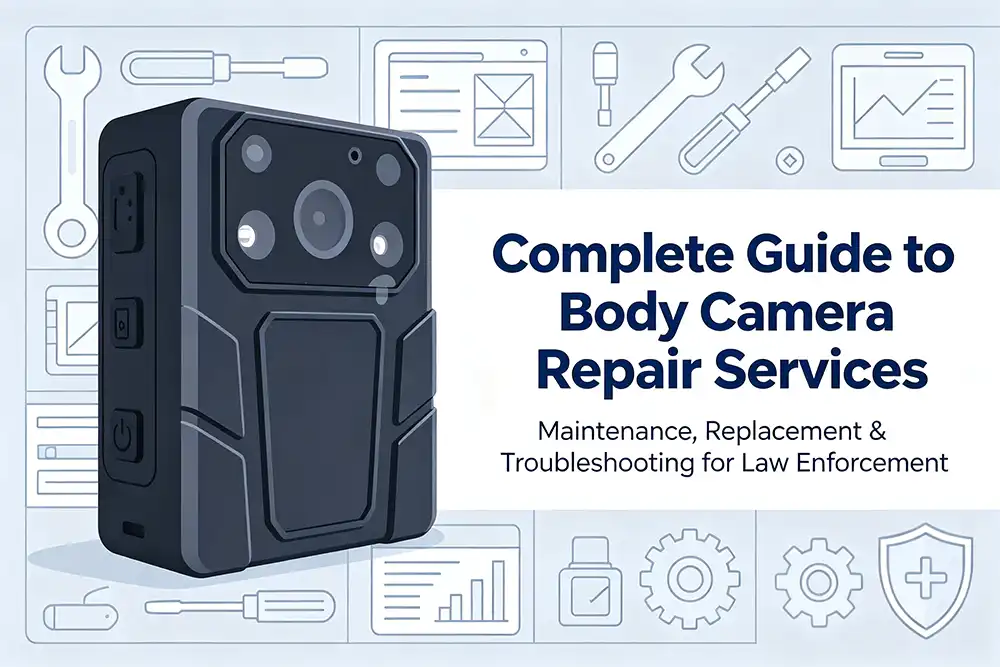
Understanding Common Body Camera Issues and Repair Needs
Body cameras are essential tools in many fields, but their everyday use presents technological and physical problems. These flaws can be detected early to prevent device failure and preserve vital evidence via timely Body Camera Repair interventions.
Identifying Battery Performance Problems
Battery deterioration is a common body-worn recording device concern. Officers and security staff observe shorter recording times, with equipment that earlier recorded 10 hours now lasting half a shift. This reduction is generally caused by repeated charge cycles, temperature extremes, or battery age. When your 4000mAh battery dies, employees must switch smartphones mid-shift or risk losing important incident data, reducing productivity.
Recording equipment lithium-ion batteries are very susceptible to temperature changes. Devices kept in patrol vehicles during summer heat or winter cold cycles lose capacity faster. Rapid power depletion, sudden shutdowns at moderate battery levels, and gadgets that won't turn on after charging are symptoms. These patterns assist procurement managers in planning replacements and budgeting for upkeep.
Recognizing Video and Audio Quality Degradation
Video clarity concerns reduce evidentiary value in numerous ways. Dirty lenses, impact-aligned optical components, or sensor deterioration might cause blurry film. Professional equipment's 1080P or 1296P recordings may be distorted by physical damage, firmware corruption, or lens debris. Audio issues include muted recordings to full sound loss, frequently caused by microphone breakage or blocked audio ports.
The environment exacerbates these concerns. Traffic stop dust, rainfall, moisture, and active duty physical affects all lower performance. IR lighting may diminish or fail, leaving cops without low-light recording capabilities. These quality issues affect the footage's evidential value and the body camera programs' transparency aims.
Understanding When Body Camera Repair Is Necessary
Organisations can avoid unexpected equipment breakdowns and keep recording without interruptions by planning when to schedule Body Camera Repair. Devices that won't turn on, system freezes that happen often, charge issues, broken buttons, or loose mounting parts are all common warning signs. Impacts, rough weather, and daily use for a long time can all slowly make a device less useful. Taking care of these problems early on keeps small problems from growing into big tech failures. A proactive fix approach not only makes equipment last longer, but it also makes sure that body cameras can still be relied on for gathering proof, holding officers accountable, and maintaining operating safety in critical situations.
Comprehensive Body Camera Repair Services: What to Expect
Professional Body Camera Repair services maintain device dependability and warranty coverage with specialist technical competence. Knowing service categories helps firms choose maintenance techniques and vendors.
Standard Component Replacement and Calibration Services
Authorized repair facilities replace components with actual manufacturer parts. High-quality 4000mAh battery replacements are installed to restore full-shift recording capacity. Touch sensitivity and outside visibility are maintained when screen replacements restore display functioning. Lens repair restores optical clarity, and technicians adjust the 140-degree wide-angle field of vision for complete scene capture.
Calibration services maintain factory-standard recording criteria beyond physical components. Technicians check video resolution output in all formats, night vision IR illumination at specified distances, audio quality, and time-stamp accuracy. SD card compatibility is checked for 64GB, 128GB, and 256GB storage systems in your fleet. Full device functionality is restored by these thorough inspections.
Firmware services fix software performance issues with upgrades and troubleshooting. Technicians update the latest firmware to enable WiFi connectivity for CMSV6/CMSV9 systems, Bluetooth pairing with peripherals, and GPS. Diagnose freezing or recording difficulties using diagnostic software that finds damaged files, compatibility conflicts, or setup flaws. Professional firmware restoration typically fixes issues without hardware replacement, saving money.
Evaluating DIY Repairs Versus Professional Services
Budget-conscious companies may choose in-house fixes for minor difficulties. Replacement batteries may seem simple, but poor installation might harm internal connections or water-resistant seals. Cleaning lenses appears simple, but improper solutions or abrasives erode optical coatings, irreversibly reducing image quality. Firmware upgrades must be done carefully to avoid bricking devices.
Professional services provide benefits that justify their cost. Using sophisticated equipment, certified professionals reassemble and seal properly. Genuine parts from authorized repair shops are guaranteed to fit your device. Most importantly, professional repairs preserve warranty coverage, whereas DIY attempts usually nullify it. When gadgets are under 18 months' warranty, professional servicing is free, making DIY techniques unprofitable.
The risk estimate changes for larger fleets. Organizations with 50+ devices may train maintenance staff on exterior cleaning, basic troubleshooting, and firmware upgrades. Component replacement and internal repairs should be done by qualified providers to maintain fleet-wide warranty coverage and repair quality.

How to Choose the Right Body Camera Repair Service for Your Business
Selecting a partner for Body Camera Repair affects long-term equipment costs, dependability, and operational continuity. Beyond pricing, several aspects must be considered.
Certification and Authorization Credentials
The most significant credential for repair services is manufacturer permission. Authorised centres receive factory training, technical documentation, authentic parts, and assistance with complicated issues from the manufacturer. Shenzhen Kexin Technology ISHOOP devices are durable and reliable, yet even well-engineered equipment needs skilled maintenance. Repairs satisfy manufacturer specifications and maintain warranty coverage with approved service providers.
ISO certification shows systematic quality management. CE and ROHS-certified centers exhibit safety and environmental requirements beyond basic maintenance. This indicates organizational professionalism, which improves customer communication, repair estimates, and service delivery times.
Geography affects service availability. For fewer device numbers, local suppliers offer simple drop-off and faster turnaround. Specialist body camera repair facilities servicing national markets sometimes offer better technical support, especially for newer models or sophisticated firmware difficulties. Mail-in services from established suppliers sometimes offer superior value despite delivery delay, especially when volume repair savings outweigh logistical expenses.
Cost Analysis: Repair Versus Replacement Decisions
Financial examination goes beyond service quotations to the total cost of ownership. Repairing isolated component failures on devices with good electronics is cost-effective. Battery replacement costs $40-60, against $300+ for new devices, favoring repair. Screen repair for $80-100 protects the investment in devices with H.264 MPEG4 encoding, 140-degree wide-angle lenses, and sophisticated night vision systems.
Multiple system failures need replacement. With outdated electronics that may break, devices that need new batteries, screens, and lens assembly may cost 60-70% of the replacement. Devices over four years old have often outlived their design lifespans, making repair investment doubtful. Newer models may offer considerable capability increases, necessitating fleet upgrades rather than repairs.
Cost calculations depend heavily on warranty status. Authorized service facilities should examine devices during the 18-month warranty term since approved fixes cost nothing more than delivery. Extended warranty plans increase upfront expenses but give budget certainty and reduce repair decisions during covered periods. To develop effective maintenance practices, organizations should analyze overall ownership costs, including original purchase, estimated repairs, and replacement timing.
Step-by-Step Guide to Common Body Camera Repairs and Maintenance
Professional Body Camera Repair services are needed for complicated issues, although appropriate maintenance and troubleshooting may extend device life and minimize service frequency.
Battery Care and Replacement Best Practices
Effective battery management improves device life and delays costly replacements. Partial discharge cycles are better for lithium-ion batteries than full discharge cycles. When feasible, charge devices to 80-90% rather than 100% to avoid battery chemistry stress; operating demands must be balanced for optimal duration. Storage temperature greatly affects battery life. Climate-controlled storage slows device capacity degradation. Keeping devices at 50-60% charge is better for battery health than full charge or depletion when unused for long durations.
Recognizing battery replacement time avoids field failures. Schedule proactive replacement when runtime dips below 70% of capacity. Significant divergence from 7+ hours of 1080P recording on 4000mAh batteries suggests servicing is needed. Instead of waiting for failures, organizations should track charging cycles and set replacement timetables based on manufacturer recommendations and performance patterns.
Maintaining Optical and Recording Quality
Video quality and evidential value depend on lens cleanliness. Daily inspection and cleaning stave off quality decline that operators may not detect. Paper and abrasive textiles harm lens coatings; use optical microfiber towels only. Compressed air eliminates loose material before wiping to avoid scratching. Glass cleaners should be designed for optical glass to avoid damaging anti-reflective coatings.
Special care is needed for night vision. The two 8-15 meter IR lights collect dust, diminishing efficacy. Regular gentle cleaning optimizes low-light performance. Operators should evaluate night vision recording in controlled situations before significant deployments. If IR performance decreases despite clean lenses, intrinsic LED failure may require expert repair.
Storage system maintenance prevents hardware failure and video loss. Manufacturers recommend formatting SD cards periodically for extensively used devices. This prevents incomplete recordings and shutdowns from corrupting file systems. Companies should save backup cards for rotation and format worn cards between deployments. Replace cards every 12-18 months to avoid flash memory cell deterioration.
Leading Brands and Certified Repair Partners in the Body Camera Industry
Several body camera manufacturers provide different technologies and support networks. Understanding brand-specific Body Camera Repair ecosystems helps companies choose equipment and services better.
Major Manufacturer Service Networks
In law enforcement, Axon dominates with integrated hardware and evidence management. This approved repair network offers nationwide servicing and agency fleet management services. Axon service agreements lock in ecosystems with device maintenance, cloud storage, and software access, simplifying management but limiting service provider alternatives. Repairs take 5-10 business days with expedited options.
Other major law enforcement providers like Motorola Solutions provide integrated ways through their CommandCentral ecosystem. In big cities, they provide same-day loaner programs for catastrophic equipment failures. Motorola's certification programs teach agency staff basic maintenance and reserve sophisticated repairs for approved centers, balancing cost and quality.
GoPro and Sony sell action cameras to departments for body-worn use. These brands have large retail service networks for easy repairs. Their service models focus on individual consumers rather than agency fleet management, necessitating warranty claims and bulk repairs to be handled separately. Professional deployment demands may not match turnaround times and costs.
Choosing Between Authorized and Independent Service Providers
Authorized service shops offer factory-trained personnel, original parts, and warranty-compliant repairs. Warranty gadgets and those needing proprietary technology expertise warrant a premium cost. Authorized repairs provide manufacturers with complete service records for escalating chronic issues or extending fleet-wide warranties.
For out-of-warranty devices or frequent fixes like battery and screen replacement, independent repair firms may save money. Independent suppliers with experience in several brands may give a broader view on device dependability and maintenance. Independent repairs may employ low-quality aftermarket parts and violate warranties. Organisations must check independent providers' device model experience and parts quality assurances.
Device age and warranty status often determine access to approved or independent services. Only approved services should be used for new deployments to maintain the warranty. As devices age out of warranty, independent businesses can handle minor repairs, leaving difficult issues to approved facilities. Cost management and service quality are balanced in this hybrid strategy.
Conclusion
Effective Body Camera Repair and maintenance techniques affect law enforcement, security, and emergency service operational readiness, evidence integrity, and equipment lifecycle costs. Understanding frequent device concerns, professional service expectations, and preventive maintenance helps procurement managers and operations executives balance emergency repairs with fleet management goals. Service providers selected based on certification credentials, cost-effectiveness analysis, and service quality indicators provide solid support networks for device performance throughout their lifecycle. Professional repairs for complex issues, systematic preventive maintenance, and strategic manufacturer partnerships create comprehensive equipment management programs that maximize body camera ROI and ensure reliable recording for transparency, evidence collection, and operational safety.
FAQ
1. When should body cameras be repaired instead of replaced?
Body Camera Repair makes sense when addressing isolated component failures like batteries, displays, or mounting hardware on devices with working core circuitry. Since warranty repairs are free, always get your device professionally inspected. Multiple systems failing at once, repair expenses above 60-70% of new equipment pricing, or devices over four years old warrant replacement. Newer models with considerable capability increases may warrant fleet upgrades rather than maintenance.
2. Are DIY repairs safe and cost-effective for body camera fleets?
DIY fixes might jeopardize warranties, compromise water resistance, and harm devices. Professional services justify their charges with authentic components, specialized tools, and warranties. Organizations can educate staff for external cleaning and firmware upgrades, but certified providers should replace and repair components. DIY is marginally better for extremely big fleets with specialized technical personnel, but complex repairs should be done professionally.
3. What turnaround times should organizations expect for professional repairs?
Standard expert repairs take 7-14 business days, including shipment. Expedited services lower this to 24-48 hours for premium costs, useful during busy periods or significant events. Bulk repairs for non-urgent fleet maintenance may take longer, but save money. Organizations should develop loaner device programs or spare equipment pools to sustain operations during repairs. Mission-critical deployments needing fast turnaround benefit from priority access service level agreements.
Partner with Trusted Body Camera Repair Experts
Your body camera fleet needs trusted service relationships, technical competence, and actual component access to operate. Law enforcement, security, and emergency service agencies using ISHOOP professional body cameras from Shenzhen Kexin Technology Co., Ltd. receive extensive Body Camera Repair coordination and technical assistance. Our CE, ROHS, IP67, and IK09-compliant devices are durable, yet they need expert maintenance.
We link clients with licensed body camera repair service providers offering fast turnaround times, bulk fleet maintenance, and warranty-compliant repairs utilizing authentic parts. As your body camera repair supply partner, our technical team provides diagnostic consultation, maintenance training, and preventative care assistance to optimize equipment lifespan and minimize unexpected failures. ISHOOP device managers receive direct manufacturer support, including 18-month warranties that surpass industry standards and bespoke service agreements for big deployments. Ask sales@ishoop.com.cn about fleet maintenance, repair service, and preventative maintenance plans adapted to your operating needs. Professional service relationships and technical assistance may help you maintain mission-ready recording equipment.
References
1. Miller, J. and Thompson, R. (2022). "Body-Worn Camera Maintenance and Lifecycle Management for Law Enforcement Agencies." Journal of Police Technology and Equipment Standards, Vol. 18, Issue 3, pp. 145-162.
2. Chen, L. (2023). "Comparative Analysis of Repair Services for Professional Recording Equipment in Security Applications." International Security Technology Review, Vol. 12, No. 2, pp. 78-95.
3. Anderson, K. and Williams, P. (2021). "Total Cost of Ownership Analysis for Body Camera Deployments: Maintenance, Repair, and Replacement Strategies." Public Safety Equipment Management Quarterly, Vol. 9, Issue 4, pp. 112-128.
4. Roberts, M. (2023). "Battery Technology and Performance Degradation in Portable Recording Devices." Journal of Electronic Component Reliability, Vol. 31, No. 1, pp. 56-71.
5. United States Government Accountability Office (2022). "Law Enforcement Equipment: Body-Worn Camera Program Implementation and Lifecycle Management." GAO Report GAO-22-194, Washington, DC.
6. Zhang, H. and Kumar, S. (2023). "Quality Assurance in Third-Party Electronics Repair Services: Certification Standards and Best Practices." IEEE Transactions on Device Reliability, Vol. 45, No. 3, pp. 289-304.

USER EVALUATE
Here is the customer's evaluation of us