



Ultimate Guide to Explosion-proof Body Camera Selection
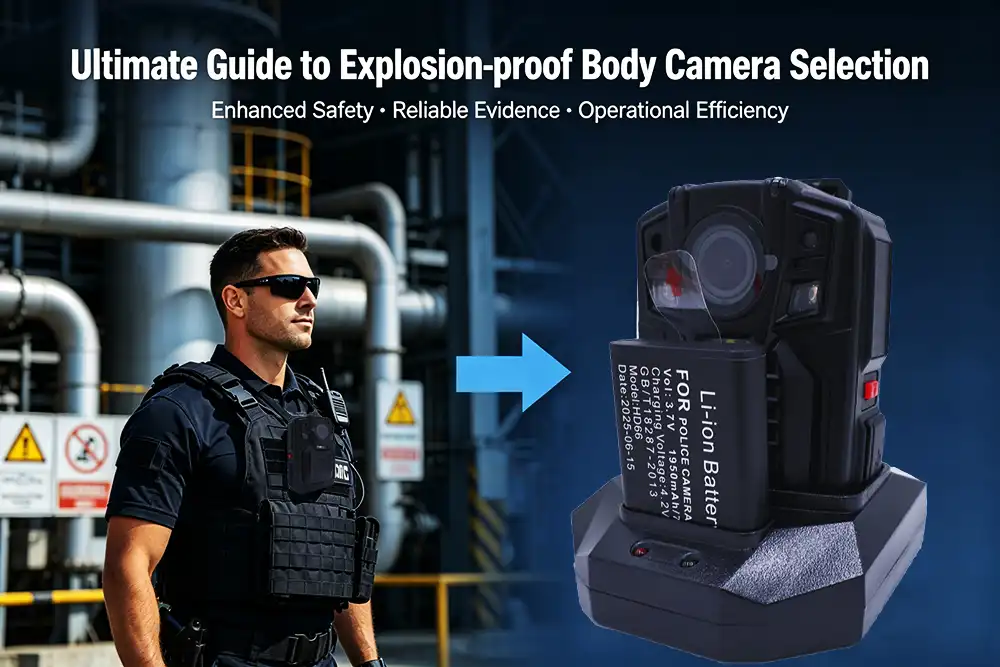
To choose the best explosion-proof body camera, you need to carefully think about its safety standards, durability features, and how it needs to be used. These special devices mix the usual recording features of body-worn gear with better protection against dangerous environments. The explosion-proof body camera has to meet strict standards for being naturally safe and collecting evidence reliably. Professionals can make smart buying choices that protect both people and important documents by knowing about important specs like IP ratings, battery life, and recording quality.
Understanding Explosion-Proof Technology in Body Cameras
Why explosion-proof technology is important
The recording equipment used in modern factories needs to be able to handle harsh conditions without breaking safety rules. Explosion-proof technology keeps electronics from starting fires in unstable environments with dangerous gases or dust that can catch fire.
Cameras that are naturally safe
Cameras that are intrinsically safe have special circuitry that keeps the amount of electricity below the ignition level. This way of building makes sure that even if a part fails, it can't cause sparks that can start an explosion. The technology goes beyond just the secure case and covers all of the electronics inside the device.
Understanding the Different Types of Dangerous Areas
Different industrial zones have different safety rules based on their hazardous area ratings. In Zone 0, the highest amount of protection is needed, while in Zone 2, less strict safety measures are allowed. Knowing these categories helps buyers choose tools that will work well in their specific settings.
Modern systems for managing batteries
Explosion-proof devices have advanced tracking systems that keep the batteries from overheating and electrical problems from happening. These safety features turn off operations automatically when sensors pick up on possibly dangerous situations. This keeps both equipment and people safe.
Essential Safety Certifications and Standards
Meeting the requirements of international safety standards
Explosion-proof body cams made for professionals must meet a number of international safety standards. The ATEX directive controls the use of equipment in potentially explosive environments in Europe, and the IECEx offers certification frameworks that are accepted around the world.
Certification that is intrinsically safe
For gadgets to be certified as intrinsically safe, they must pass a lot of tests that make sure they can't ignite the air around them, even when something goes wrong. This thorough testing method looks at electrical circuits, thermal properties, and mechanical construction to make sure that all safety requirements are met.
Ratings for Environmental Protection
The IP67 grade shows that the product is protected against water and dust getting in. When explosion-proof cameras are used in harsh industrial settings where dust and moisture are constant threats to electronics, these environmental defenses become very important.
Ratings for Temperature for Dependable Performance
Temperature ratings show the safest levels of operation that make sure the system works well in a variety of weather situations. The explosion-proof body camera temperature ratings indicate that industrial body cams can usually work in temperatures between -40°C and +60°C, so they can be used in harsh weather and hot factories.
More certifications to ensure quality
Other certifications, such as ISO 9001 for quality management and RoHS for environmental compliance, show that the maker is committed to professional standards. These certifications give buyers trust in the quality of the product and its ability to follow the rules.
Key Features for Hazardous Environments Operation
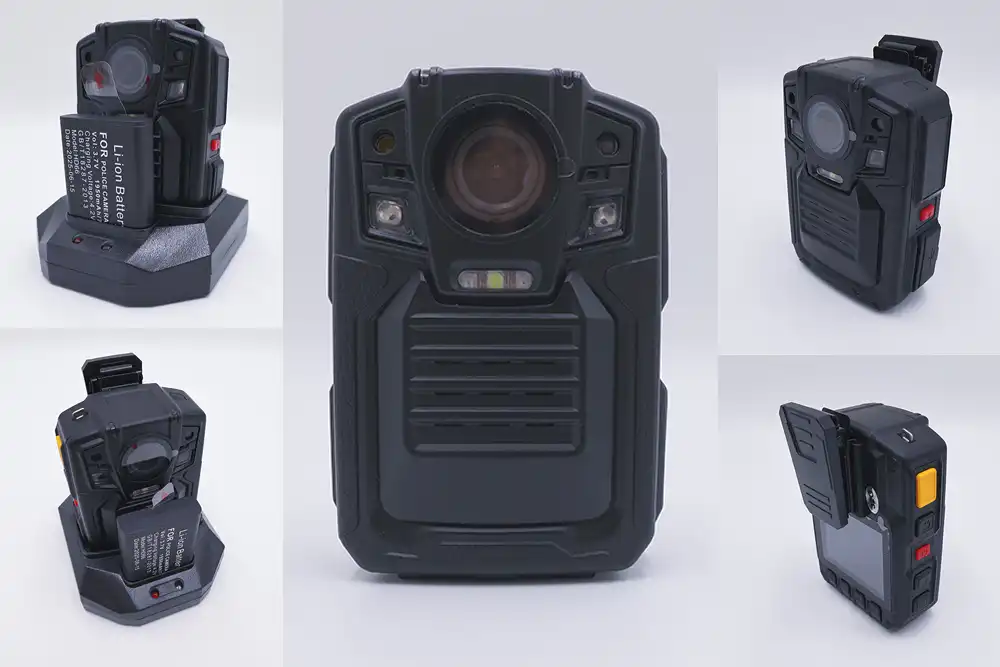
The ability to record in high definition
Even in situations where explosions are unlikely, high-definition recording is still necessary. Today's rugged body cameras have a 1080p resolution and can record at 30 frames per second, so they can collect clear proof even in harsh conditions.
Ability to see in the dark
The ability to see in the dark at night is especially useful in industrial areas where lighting conditions change a lot. The infrared light can reach up to 10 meters, which makes it possible to record effectively in emergencies or when there isn't much light for maintenance work.
Quality of Audio Recording
To get good audio recordings, you need to block out background noise from machines and keep your words clear. Modern microphones can block out background noise to make conversation clearer during critical incident documentation.
Planning for Storage Capacity
Planning for storage capacity takes into account long periods of time when data sharing is not possible. With storage choices ranging from 32GB to 256GB, departments can match the length of time they need to record with the duties they have.
Monitoring Tools That Work in Real Time
Real-time tracking lets supervisors keep an eye on the safety of workers during dangerous tasks. Live streaming features let command centers in charge of emergency reaction know right away what's going on.
Battery Performance in Extreme Conditions
Longer battery life for operations from afar
When explosion-proof cameras are used in remote industrial areas, longer battery life is very important. Dual battery systems can run continuously for 8 hours or more, making sure that the whole shift is covered without any power outages.
Needs for Charging Infrastructure
The equipment for charging must meet explosion-proof standards while still being able to work efficiently. With quick charging, there is less downtime between shifts, which helps keep various work teams operationally ready all the time.
Smart systems for managing power
Power management systems make the best use of batteries depending on the settings for recording and the weather. Smart power allocation increases operational time by changing performance settings automatically as battery levels drop.
How temperature affects how well a battery works
In harsh industrial settings, it's important to think about how temperature affects battery performance. Working in cold weather may lower the battery's capacity, and working in hot weather can speed up degradation if the temperature is not managed properly.
Instructions for Replacing Batteries
Procedures for replacing batteries in the explosion-proof body camera must keep their explosion-proof purity at all times. Hot-swappable battery designs let you change the batteries in the field without affecting safety standards or the ability to keep running.
Durability and Build Quality Considerations
Resistance to shock for work environments
Shock resistance keeps internal parts safe from hits that happen a lot in industrial settings. Standards for military-grade construction make sure that devices can handle drops, vibrations, and the mechanical stress that comes with everyday use.
Protection against liquids that won't get wet
Body cams that are waterproof can handle being exposed to cleaning products, industrial liquids, and bad weather. When construction is sealed, moisture can't get in and damage electrical parts or safety certifications.
Ergonomic Design for Long-Term Use
The ergonomic design strikes a mix between the need for protection and the comfort of the wearer during long periods of time. The lightweight design makes it easier to move around while still providing strong security against physical impacts and environmental hazards.
Picking the Right Materials for Safety and Durability
The choice of material affects both how long an explosion-proof gadget lasts and how safe it is. Non-sparking materials keep things from catching fire by mistake and keep structures strong in tough working conditions.
Processes for Testing and Quality Control
Quality control steps make sure that all batches of a product work the same way. Before being used in dangerous work environments, each gadget is put through a lot of tests to make sure it meets safety standards.
Integration with Existing Safety Systems
Communication with systems that are already in place
Communication compatibility lets body cameras work with radios and emergency methods that are already in place. With PTT connectivity, operational contact can continue, and video documentation is possible.
Putting together data management
Integrating data management makes it easier to handle proof within established security frameworks. Software systems that are compatible make sure that recorded video works with current reporting and documentation processes without any problems.
How to Respond in an Emergency
Real-time video feeds that make it easier to see what's going on around you help emergency reaction plans. During critical event management, command centers get visual information right away that helps them make better decisions.
Programs for training workers to be safe
Safety rules and how to use the equipment must both be covered in training classes. Full user education makes sure that workers know the right way to handle things so that safety certifications are kept up while they are out in the field.
Planned maintenance for safety certification
Setting up regular inspection and calibration processes as part of a maintenance schedule protects safety certifications. Potential problems are found by preventative maintenance programs before they affect operational safety or recording capabilities.
Industry-Specific Applications and Requirements
Applications for law enforcement in dangerous places
When police work in dangerous places, they need special tools like the explosion-proof body camera that meet both standards for collecting evidence and guarantee that they won't explode. For these uses, you need to be able to record things accurately without putting officer safety at risk.
Application Forms for Emergency Response Teams
Portable body cameras that work well in chemical accidents, gas leaks, and industrial accidents are helpful for emergency reaction teams. Real-time documentation helps with training development and analysis after an event.
Uses for Industrial Security
For industrial security purposes, body cameras need to be strong and able to work continuously in harsh manufacturing settings. These devices keep track of safety rules and keep security staff safe from environmental dangers.
Applications for Firefighters
For firefighters, equipment needs to be built to last in high heat, moisture, and physical stress. Cameras stay safe during busy emergency response operations thanks to special mounting systems.
Needs of the Chemical Industry
Specialized cleaning methods and better protection against corrosive atmospheres are needed in the chemical business. After being exposed to harsh industrial poisons and decontamination processes, equipment must still work properly.
Cost-Benefit Analysis for Professional Procurement
Costs of the initial investment
Specialized safety approvals and features that make the product last longer must be included in the initial investment costs. Explosion-proof body cams usually cost a lot because they have to go through a lot of tests and are made in a special way.
Long-Term Cost Savings for Operations
Long-term operational savings come from not having to repair as much equipment and making sure workers are safer. Repair costs are kept to a minimum by durable building, and full warranties cover failures that happen out of the blue.
Investment Needed for Training
Safety rules and instructions on how to use equipment are both part of the training investment needs. Proper training for users extends the life of tools and makes sure that safety standards are always met.
Advantages of Productivity
Gathering reliable proof and being more aware of what's going on around you can boost productivity. Good documentation makes it easier to solve problems and report them in a way that meets legal requirements.
Value for reducing risk
Less liability exposure and better safety outcomes for people working in dangerous settings are examples of risk mitigation value. Professional-grade gear shows that a company cares about keeping workers safe and following the rules.
Partner with Shenzhen Kexin Technology for Superior Explosion-Proof Solutions
As a leading explosion-proof body camera supplier, Shenzhen Kexin Technology Co., Ltd. makes the best explosion-proof body cameras on the market. Their products are certified by CE, ROHS, IP67, and ISO. Our ISHOOP brand blends cutting-edge engineering with a track record of dependability in harsh environments. Get in touch with our knowledgeable staff at sales@ishoop.com.cn to talk about custom solutions that meet your specific safety and business needs.
References
1. International Electrotechnical Commission. "Explosive Atmospheres - Part 0: Equipment - General Requirements." IEC 60079-0:2017 Standard Documentation.
2. European Committee for Standardization. "Equipment and Protective Systems Intended for Use in Potentially Explosive Atmospheres - Basic Requirements." EN 13463-1:2009 Technical Specification.
3. National Institute for Occupational Safety and Health. "Criteria for Recommended Standard: Working in Confined Spaces." NIOSH Publication No. 80-106, Industrial Safety Guidelines.
4. Occupational Safety and Health Administration. "Hazardous Locations and Electrical Equipment Standards." OSHA 29 CFR 1910.307 Regulatory Framework.
5. American Petroleum Institute. "Classification of Locations for Electrical Installations at Petroleum Facilities." API RP 500 Recommended Practice Guidelines.
6. Factory Mutual Research Corporation. "Approval Standard for Intrinsically Safe Apparatus and Associated Apparatus for Use in Class I, II and III, Division 1 Hazardous Locations." FM 3610 Certification Requirements.

USER EVALUATE
Here is the customer's evaluation of us