



Traffic enforcement camera for improving road safety
Road safety cameras have transformed traffic management worldwide, offering municipalities a proven method to reduce collisions and fatalities. These enforcement tools combine advanced imaging, artificial intelligence, and robust data analytics to monitor compliance with traffic regulations automatically. When deployed strategically, a road safety camera system significantly decreases speeding incidents and red-light violations while encouraging responsible driving behavior. Beyond traditional fixed installations, modern enforcement technologies now support mobile and wearable applications, extending monitoring capabilities to traffic police during roadside inspections and accident documentation. This comprehensive approach creates a multilayered safety network that protects both motorists and law enforcement personnel.
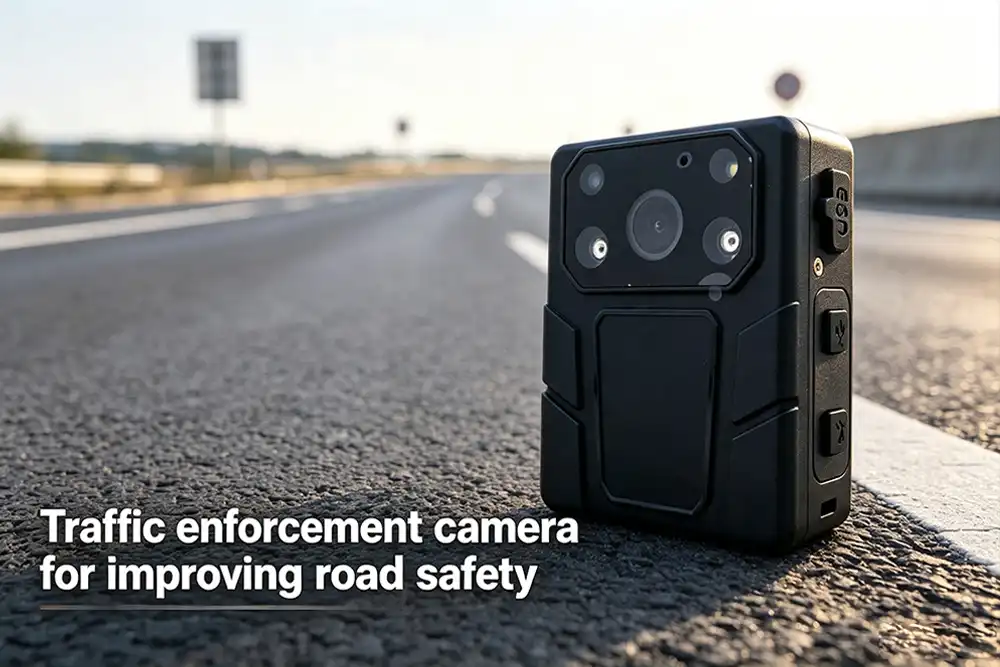

Understanding Traffic Enforcement Cameras and Their Role in Road Safety
Core Types of Traffic Monitoring Systems
Road safety cameras are broken down into a number of different groups based on what they do. Using radar or LIDAR technology, speed cameras find cars going over the speed limit and take pictures of the license plates along with information about the violation. Red light cameras watch intersections and only go off when cars enter during times when they are not supposed to be there. To find out if someone is consistently speeding on highway sections, average speed systems figure out how long it takes to drive between two spots. Each type is designed to solve a different police problem that cities and towns face, such as making sure that intersections are safe or managing highways in rural areas.
Advanced Technologies Enabling Accurate Detection
Modern law enforcement systems use complex data blending to get very accurate results. Radar and LIDAR accurately measure how fast a car is going, and Automatic Number Plate Recognition (ANPR) software quickly finds people who are breaking the law by looking at number plate pictures. AI-powered analytics can tell the difference between different types of vehicles, so trucks and passenger cars are enforced at different speeds. These technologies work reliably in a wide range of weather conditions. They stay useful in fog, rain, and at night thanks to infrared lighting and high dynamic range imaging.
Tangible Benefits for Municipal Road Safety Programs
Cities and towns that use comprehensive camera enforcement programs say that safety has gotten better. The Insurance Institute for Highway Safety has found that red light cameras cut the number of fatal crashes at monitored intersections by about 21%. Within police zones, speed cameras cut down on accidents that hurt people by 20 to 25 percent. In addition to lowering the risk of accidents, these systems make the best use of resources by automating routine monitoring tasks. This frees up traffic cops to focus on more difficult enforcement situations that need their judgement. The information gathered is also used to improve facilities and look at travel patterns.
Comparison and Selection of Road Safety Camera Technologies for Municipal Use
Fixed Installation Versus Mobile Enforcement Solutions
When looking at road safety camera systems, procurement managers need to compare the pros and cons of fixed installs and mobile options. Fixed cameras keep an eye on high-risk areas all the time, enforcing the rules consistently, which changes how drivers act over time. Mobile units give businesses more options because they can move between different sites to deal with new problems or temporary construction zones. Some departments now put cameras on the traffic cops themselves, so they can record conversations with people on the side of the road and accident scenes without using their hands.
Shenzhen Kexin Technology specializes in professional body-worn cameras designed specifically for traffic police operations. Our wearable enforcement solution features a 140-degree wide-angle lens that covers 140 degrees and records the whole traffic stop, including vehicles and the surrounding environment. The 4000mAh battery is powerful enough to power the device for long shifts of up to 12 hours, and the IP67 waterproof grade means it will work reliably in bad weather. Along with fixed infrastructure, this portable documentation feature makes it possible to collect all kinds of evidence for all kinds of enforcement activities.
Key Technical Specifications for Procurement Evaluation
Procurement experts should put a number of important factors at the top of their lists when choosing police camera systems. Image quality must meet standards for evidence, which usually means 5MP to 32MP cameras for clear license plate recognition at fast speeds. A wide dynamic range (WDR) of 140dB or more can handle difficult lighting conditions where headlight glare or backlighting could make it hard to see details. At speeds of up to 300 km/h, detection should be more than 99 percent accurate, and false positive rates should be less than 1 percent. Ratings for environmental protection of IP67 or IP68, along with IK10 impact resistance, make sure that hard outdoor setups last a long time.
Leading Manufacturers and Integration Considerations
Well-known companies in the global market include FLIR, Axis Communications, Hikvision, Dahua Technology, and Bosch Security Systems. Each of these companies uses a different technology method. FLIR works on thermal images for operation in all kinds of weather, while Axis is all about integrating network video with IT infrastructure. Bosch makes ruggedised systems for harsh settings, and Hikvision and Dahua offer affordable options with full AI analytics. When making a purchase decision, software compatibility with existing traffic management platforms should be taken into account. This will make sure that data integration and workflow automation go smoothly. Our body-worn cameras can connect to city evidence management systems via Wi-Fi, which lets them send data right away and keep records in sync across all police channels.
Procurement Process and Best Practices for Road Safety Cameras
Sourcing from Trusted Global Suppliers
When municipal procurement teams are looking for ways to enforce traffic laws, they should work with certified manufacturers who follow ISO quality standards. Ask for detailed technical specs, compliance certifications (such as CE, FCC, and ROHS), and reports from independent testing that back up the claimed performance metrics. Ask for offers from several sellers and compare not only the prices but also the terms of the warranties, training, and technical support. A lot of cities and towns can benefit from testing projects that test out small amounts of equipment in the real world before they buy it in bulk.
Comprehensive Cost Analysis for Total Ownership
Costs of installation, upkeep, and running the business are all part of effective procurement of road safety camera, not just the cost of the tools itself. Professional installation by qualified experts makes sure that the equipment is calibrated and placed correctly. This usually costs between 15 and 25 percent of the total cost of the equipment. Long-term investments are protected by maintenance plans that include checking the accuracy once a year, updating the software, and replacing parts. Cloud-based data management services come with recurring fees, but they also require less IT infrastructure on-site. Our body-worn camera systems offer one-year guarantees that cover everything and technical help around the world. They also have integrated storage that lowers costs by getting rid of complicated back-end infrastructure.
Installation and Ongoing Maintenance Requirements
Planning carefully is needed to set up cameras correctly. Site studies find the best places to put the cameras so that they cover the most area, allow clear views, and keep people from damaging them. Power and network connections must be set up, whether they are cellular data connections or municipal fibre networks. Ongoing maintenance plans should include visual checks every three months, calibration checks every six months, and protocols for responding right away to reported problems. Wearable cameras for traffic cops make maintenance easier. Our 360-degree rotatable clip can handle daily wear, and the 2-inch LCD display shows the operational status right away, reducing downtime and increasing field reliability.
Evaluating the Effectiveness and Legal Aspects of Traffic Enforcement Cameras
Data-Driven Evidence of Improved Road Safety
Studies done in a number of different areas show that safety always gets better after cameras are put up. Over a five-year period, the UK Department for Transport found that camera-monitored sites had a 42% drop in the severity of accidents. Australian transport officials found that speed limits cut speeds by an average of 7 km/h in police zones, which was linked to 25% fewer injury crashes. These results show that investments in procurement are worthwhile because they save lives and keep medical costs from going up. This is strong evidence for decisions about where to spend money.
Addressing Accuracy Concerns and Technical Reliability
Some critics question the accuracy of police cameras, especially when it comes to false violations. These worries are lessened by modern systems' multiple evaluation methods. Radar and LIDAR devices are regularly calibrated against approved standards, and measurement accuracy is confirmed with proof certificates. Multiple picture frames are looked at by AI algorithms to confirm violations. Artefacts caused by shadows or reflections are filtered out. Traffic cops wearing cameras adds a human check to automated systems. Our devices record with tamper-proof timestamps and administrator password security, making sure that the integrity of the evidence meets the standards for being admissible in North American and European cases.
Navigating Legal Frameworks and Compliance Requirements
The placement of road safety cameras must be in line with local privacy laws and rules about how things should be done. The European General Data Protection Regulation (GDPR) requires clear signs to let drivers know when cameras are nearby, strict limits on how long data can be kept, and safe handling procedures to keep personal information safe. In North America, laws change from state to state and province to province, and some need government approval before cameras can be used. Specifications for purchases should include things that help with legal compliance, like sending data encryptedly, keeping records for audits, and letting users set their own preservation policies. The 8-digit device ID and 6-digit officer ID that are embedded in our body-worn camera footage create full proof of custody that meets the needs of the law.
Future Trends and Innovations in Traffic Enforcement Cameras
Artificial Intelligence and Machine Learning Integration
The next wave of traffic enforcement tools uses AI to find more violations than just speeding and running red lights. Today, computer vision algorithms can find drivers who aren't paying attention, who are using their phones illegally, and who aren't wearing their seatbelts without the need for extra sensors. Predictive analytics look at past trends of violations to suggest the best place for cameras, which maximises the safety effect per dollar spent. These smart systems keep getting better by machine learning and responding to new traffic situations and patterns of violations.
Cloud-Based Management and IoT Connectivity
Cloud infrastructure turns networks of police cameras into smart city components that work together. Centralised systems bring together data from fixed installations, mobile units, and devices that police wear and carry with them. They then show this data on a single dashboard for real-time tracking. Connectivity to the internet of things (IoT) allows for remote diagnosis, automatic firmware changes, and maintenance alarms that help avoid downtime. Our wearable enforcement cameras can join wirelessly if needed. This lets traffic cops upload footage straight to cloud-based evidence management systems when they get back to their cars or stations, which speeds up administrative tasks.
Strategic Procurement for Scalable Systems
Procurement managers who are looking to the future put a high value on systems that can be upgraded and work with new technologies. Modular camera systems let you add new sensors without having to replace the whole system. Open-platform software designs let you use third-party apps without being locked into one company. Innovations can be accessed through partnerships with manufacturers who are committed to ongoing research and development. Shenzhen Kexin Technology is always making new products. They use their over 10 years of experience with digital images to meet the changing needs of law enforcement while also making sure that their products are backward compatible to protect current investments.
Conclusion
Road safety cameras have been shown to improve road safety by lowering the number of accidents and deaths through automated monitoring and punishment. To do a good job of procurement, you need to look at technologies, cost structures, and compliance requirements in detail, as well as new innovations that make systems more useful. Modern law enforcement includes more than just fixed systems. It also includes mobile and smart solutions that record exchanges between officers and accident investigations. When city governments work with seasoned makers, they get access to reliable tools, worldwide support networks, and ongoing innovation that meets changing safety needs while safeguarding long-term purchases.
FAQ
1.How accurate are enforcement cameras in various weather conditions?
Modern law enforcement camera systems use sensor fusion technology to stay accurate in a wide range of weather situations. The accuracy of radar and LIDAR measurements is not affected by rain, fog, or snow. Infrared lighting and high dynamic range imaging make it possible to see license plates clearly at night or when visibility is low. Regular calibration checks, which are usually done every six months, make sure that measurements are accurate within the allowed ranges. Body-worn cameras that traffic cops wear provide extra evidence no matter the weather, and their IP67 waterproofing means they will work even in storms.
2.What maintenance requirements ensure ongoing system reliability?
For fixed placements, eye checks must be done every three months to look for physical harm, clean lenses, and solid mounting. Every year, qualified experts check the accuracy of the measurements to make sure they meet legal requirements. When you update software, it fixes security holes and adds new features. Wearable cameras for law enforcement make maintenance easier because operators only need to charge the cameras at the end of each shift. There are no complicated calibration steps needed. The 180-minute charging time and 12-hour operation time are good for most job plans, and the ruggedised design means that repairs aren't needed very often.
3.Do enforcement cameras comply with privacy regulations?
Reputable road safety camera systems have features that can be changed to fit local privacy laws. Encrypting data keeps it safe while it's being sent and stored, and audit trails keep track of who accessed what. Automated retention policies get rid of footage after certain legal times. Clear signs let drivers know that they are being watched, which meets the notification standards. Body-worn cameras used by traffic cops follow the rules for recording by law, and administrator passwords keep footage from being deleted without permission, protecting evidence.
Partner with Shenzhen Kexin Technology for Advanced Road Safety Solutions
When municipal procurement teams are looking for trusted road safety camera wholesalers, they should look at makers with a track record of success and the ability to provide help all over the world. Shenzhen Kexin Technology has more than 10 years of experience in professional image systems and offers full ODM/OEM customisation services that meet the needs of many different jurisdictions. Our body-worn cameras for traffic cops have the longevity, battery life, and proof integrity features that police officers all over the world want. They are certified by CE, ROHS, IP67, and IK09. Get in touch with our purchasing experts at sales@ishoop.com.cn to talk about custom solutions that will improve your road safety programs. These could include technical details, volume pricing, and help with integration.
References
1. Insurance Institute for Highway Safety. (2020). "Red Light Running Camera Effectiveness in Reducing Fatal Crash Rates at Signalized Intersections." IIHS Traffic Safety Research Publications.
2. UK Department for Transport. (2019). "Evaluation of Safety Camera Program Impact on Collision Severity and Frequency 2014-2019." DfT Road Safety Statistical Report Series.
3. Australian Transport Safety Bureau. (2021). "Speed Enforcement Technology Assessment: Correlation Between Average Speed Reduction and Injury Crash Outcomes." ATSB Research Report.
4. European Commission Directorate-General for Mobility and Transport. (2022). "GDPR Compliance Guidelines for Automated Traffic Enforcement Systems." EC Transportation Safety Technical Standards.
5. National Highway Traffic Safety Administration. (2021). "Automated Enforcement Technologies: A Guide for Municipal Traffic Safety Programs." NHTSA Publication DOT HS 812-950.
6. Transportation Research Board. (2018). "Cost-Benefit Analysis Framework for Traffic Enforcement Camera Deployment." TRB National Cooperative Highway Research Program Report 875.

USER EVALUATE
Here is the customer's evaluation of us