



Professional 4G & Wi-Fi Body Worn Camera Supplier
Finding a dependable 4G & Wi-Fi Body Worn Camera supplier demands careful consideration of manufacturing, certification, and technological competence. Shenzhen, China, is a leading security surveillance equipment manufacturer, offering modern connectivity solutions that combine cellular and wireless streaming for real-time evidence capturing. Police, security, and emergency responders use these devices for high-quality recording and rapid data transmission. As the worldwide body camera market grows, professional buyers confront many obstacles when choosing partners. Successful procurement requires knowledge of manufacturing processes, quality standards, and technical specifications. Intelligent purchasing can save expenses and meet operational quality standards.


Understanding China's Manufacturing Excellence in Body Camera Technology
Advanced Production Capabilities
Chinese manufacturers have substantially invested in wearable surveillance device automated production lines. These facilities use precision assembling equipment to ensure quality across enormous production volumes. Modern testing chambers imitate harsh environments to verify gadget functionality before shipment. Miniaturized electronics experts work in Shenzhen and nearby factories. Engineers collaborate with component vendors to optimize designs for functionality and cost. Innovative items with cutting-edge technology result from this collaboration.
Research and Development Strengths
Leading Chinese manufacturers have surveillance technology-only R&D departments. These teams work with foreign partners to identify market needs and create operational solutions. Investment in emerging technologies keeps items competitive in fast-changing markets. Beyond manufacturing, technical knowledge includes software development, encryption, and wireless communication protocols. This allows manufacturers to offer complete solutions rather than just hardware. Integration testing guarantees network compatibility.
Cost-Effective Production Solutions
Chinese providers can offer low prices without sacrificing quality due to volume manufacturing. Effective supply chain management and specialized production methods create economies of scale. Strategic ties with component manufacturers ensure steady pricing and delivery. Quality control techniques throughout production save waste and maintain standards. Automated inspection systems reduce defects and ensure customer satisfaction by identifying issues early in manufacturing. Buyers save money due to efficiency advantages.
Strategic Supplier Selection Methods for Professional Buyers
Comprehensive Evaluation Frameworks
Creating systematic evaluation criteria helps customers choose manufacturing partners. Technical parameters should match operational needs, and production capabilities must meet volume demands. Long-term partnership viability is indicated by financial stability metrics. Visit facilities, review production lines, and audit quality systems to evaluate suppliers. These direct evaluations show talents beyond marketing. Existing customer references reveal supplier performance and reliability.
Due Diligence Best Practices
Business licenses, export certificates, and industry memberships are checked during background research. Supplier databases with performance evaluations and complaints are commonly maintained by professional bodies. Trade periodicals report trends and supplier reputations. Finance due diligence should investigate credit ratings, payment histories, and capital investment patterns. Financially stable suppliers are committed to long-term partnerships. Upgrading equipment regularly shows commitment to competitiveness.
Technical Specification Verification
The intended applications and operational environments must match detailed technical standards. Battery life, connectivity, and video quality affect customer pleasure. Environmental ratings guarantee gadget reliability in harsh field situations. Sample testing programs let purchasers evaluate performance before placing significant orders. Manufacturer durability, image quality, and battery life claims can be verified by independent labs. Validation decreases new supplier risks.
Communication and Support Assessment
Project execution and support are easier with good communication. Language, time zone, and reaction times greatly affect collaboration. Operating issues are resolved quickly with technical support. After-sales service is essential for equipment maintenance. Total ownership expenses depend on warranty, repair, and part availability. Professional users favor suppliers with extensive support networks.
Quality Management System Analysis
ISO accreditation standardizes quality management systems for consistent output. Independent groups audit standards compliance regularly. Documentation systems record productivity and quality throughout manufacturing. Continuous improvement programs show suppliers' dedication to quality and defect reduction. Trends are detected before they affect product quality using statistical process control. Integration of customer feedback ensures products adapt to market needs.
Essential Certification Standards and Compliance Requirements
International Quality Certifications
CE certification verifies European safety, health, and environmental standards. This certification demands thorough lab testing and quality assurance programs. RoHS compliance assures electronic equipment meets hazardous substance limitations. The IP67 ratings on our 4G & Wi-Fi Body Worn Camera confirm field-essential waterproof and dust-resistant capabilities. Extreme impact resistance testing verifies durability. These certifications ensure device reliability in demanding operational conditions.
Regional Compliance Considerations
Different markets may demand certifications beyond international standards. US-market products need FCC approval. Suppliers must comprehend and follow local regulations in other regions. Devices work without interfering with other electronics after electromagnetic compatibility testing. Spectrum allotment compliance is verified by wireless communication certifications. Technical requirements vary by country and must be addressed throughout product development.
Documentation and Traceability
Complete paperwork aids certification and regulatory compliance. Test reports, quality certificates, and production records prove standard compliance. Traceability systems track parts throughout manufacture. Recertifying regularly ensures conformity with changing standards. Suppliers must update products and retain certifications as requirements change. This dedication shows professionalism and market understanding.
Effective Sourcing Platforms and Partnership Channels
Digital Marketplace Strategies
Professional B2B platforms provide certified suppliers with company profiles and product specs. Advanced search options let buyers filter results by qualifications and needs. Rating methods reveal supplier performance from past customers.
Direct communication aids initial talks and technical clarifications. Secure transaction systems safeguard negotiation and payment parties. International shipping and customs are simplified by logistical integration.
Trade Show and Industry Events
International security exhibits provide product testing and supplier meetings. Live demos show gadget performance in real-world settings. Face-to-face meetings foster long-term partnerships. Industry conferences reveal new technologies and industry trends. Educational workshops increase purchasing decisions with technical understanding. Networking gives buyers access to experts who can advise them.
Professional Network Referrals
Industry associations have performance-rated and recommended supplier directories. Member feedback evaluates provider competence and reliability impartially. Professional networks provide procurement insights from experienced buyers. Market-specific consultant services identify and evaluate suppliers. These experts can handle regional and cultural differences. Their experience eliminates risks and speeds supplier selection.
Maximizing OEM and ODM Partnership Success
Custom Development Opportunities
ODM agreements let purchasers create unique goods for specific markets. Customer ideas and manufacturer experience inform collaborative design. IP agreements protect technical innovations and designs. OEM agreements allow product branding while leveraging manufacturing skills. Quality control guarantees manufacturing uniformity. Custom packaging and documentation support brand identification.
Technical Collaboration Models
Joint development programs combine customer and manufacturer technical expertise. Design reviews keep projects on schedule and within specs. Prototyping permits iterative improvements before production. Product lifecycle technical support for our 4G & Wi-Fi Body Worn Camera includes firmware updates, performance improvements, and feature development. Continuous collaboration boosts product competitiveness and user satisfaction. Mutual improvement investment helps both parties thrive.
Intellectual Property Protection
Partnerships clearly identify design, software, and technical innovation ownership. Collaboration non-disclosure agreements preserve confidential knowledge. Regular legal evaluations ensure international IP compliance. Patent analysis finds conflicts and development opportunities. Prior art searches verify innovation originality. These safeguards encourage bespoke development investment.
Smart Negotiation Strategies for Pricing and Volume Commitments
Minimum Order Quantity Optimization
Buyers negotiate realistic MOQs by understanding manufacturer cost structures. Volume commitments that match production efficiency are win-win. Flexible order schedules handle demand changes at competitive prices. Suppliers can optimize production and lower unit costs with gradual volume increases. Long-term partnerships encourage capability investment with stability. Performance incentives motivate cost-cutting and improvement.
Value-Based Pricing Models
Initial purchase price, support fees, and lifecycle costs comprise total cost of ownership. Due to lower failure rates and longer service life, quality premiums lower total costs. Extended warranties and support services add value beyond product pricing. Payment terms effect both parties' cash flow and pricing negotiations. Supplier financing expenses decrease with early payment discounts. Letters of credit offer security and affordable pricing.
Market Intelligence Applications
Regular market research gives negotiation pricing benchmarks. Competition research shows pricing and value proposals from other suppliers. Economic indicators forecast price changes and cost pressures. Supply chain disruption monitoring detects cost consequences before pricing. Raw material price tracking alerts of cost rises. This intelligence aids contract timing and smart purchasing.
Quality Control and Factory Assessment Guidelines
Production Process Auditing
Systematic facility inspections assess manufacturing, quality, and production. Equipment maintenance programs show quality commitment. Training programs show you value talented production teams. Implementing statistical quality control shows quality management system expertise. Continuous improvement is illuminated by defect tracking systems. Market responsiveness is shown by customer feedback integration.
Supply Chain Transparency
Critical material supply chains are reliable with component sourcing verification. Quality requirements extend throughout the supply network with supplier qualification programs. Inventory management systems manage delivery dependability and cost. Material traceability systems track receipt to product shipment. This visibility aids quality investigations and regulatory compliance. When supplies are interrupted, backup suppliers offer continuity.
Testing and Validation Procedures
Comprehensive tests ensure product performance under specified operational circumstances. Environment stress testing proves resilience under harsh situations. Accelerated aging tests predict reliability over time. Independent labs verify company claims objectively. Product operating requirements are verified by customer acceptance testing. Field testing finds performance concerns before mass production.
Leading Supplier Characteristics for 2026 Market Demands
Technology Innovation Leadership
Advanced suppliers heavily fund product-enhancing technology. AI enhances video analysis and evidence handling. Battery and connectivity performance are optimized via machine learning. Suppliers are ready for 5G communication. Edge computing allows cloud-free real-time processing. These technology innovations give forward-thinking suppliers an edge.
Sustainability and Environmental Responsibility
Environmental management systems show manufacturing sustainability. Renewable energy cuts carbon and operating costs. Environmentally friendly waste reduction programs boost efficiency. Product lifecycle management includes end-of-life recycling. Selecting components prioritizes green materials. These approaches attract eco-conscious clients and comply with regulations.
Global Service Capabilities
International support networks offer local technical support in major markets. Multilingualism helps communicate with varied customers. Regional inventory systems serve pressing needs quickly. Remote diagnostics lower service costs and response times. Predictive maintenance algorithms spot problems before they fail. These innovative service models boost client happiness and lower ownership expenses.
Conclusion
Selecting the proper 4G & Wi-Fi Body Worn Camera manufacturer includes assessing technical capabilities, quality systems, and business practices. Chinese vendors excel in manufacturing, cost, and innovation. Effective communication, due diligence, and strategic partnerships are essential to success. Professional buyers who evaluate and create relationships with suppliers do better over time. Technical standards, quality certifications, and production capabilities must match operational needs. Products satisfy changing market demands while keeping competitive pricing through teamwork. Technology and user needs change the security surveillance market. Professional purchasers looking for trustworthy body cameras get the greatest partnerships from adaptable, innovative, and customer-focused manufacturers.
Frequently Asked Questions
1. What are the key advantages of sourcing body cameras from China?
Economies of scale and efficient production allow Chinese manufacturers to offer competitive pricing. Advanced manufacturing facilities use quality control and cutting-edge technologies. Custom development and rapid invention are possible with extensive R&D. Solid supply chains guarantee component sourcing and delivery.
2. How can I verify the quality of a Chinese body camera manufacturer?
Request ISO-certified quality system documentation and factory audits. See production, testing, and quality control firsthand. Samples for independent testing and performance verification. Use professional networks to verify client references and industry reputation.
3. What certifications should I look for when selecting a supplier?
CE labeling, RoHS compliance, and IP67 environmental rating are essential. US market distribution requires FCC clearance. Quality management certification ISO 9001 shows systematic quality control. Industry-specific certificates may be needed for applications.
4. How do I negotiate favorable pricing and terms with manufacturers?
For optimal pricing, understand manufacturer cost structures and volume needs. Establish long-term partnerships that benefit both parties. Consider overall ownership costs, including warranty, support, and lifespan. Support negotiations with market intelligence and competitive analysis.
5. What should I include in OEM/ODM partnership agreements?
Clarify intellectual property ownership and protection. Set quality, delivery, and performance goals. Use confidentiality and technical collaboration agreements. Support, warranty, and development obligations should be specified.
6. How can I ensure reliable communication with Chinese suppliers?
Check communication teams' language and technical skills. Define response times and escalation mechanisms for communication. For sophisticated technical conversations, use professional translation. Project and meeting scheduling should account for time zones.
Partner with Shenzhen Kexin Technology for Premium Body Camera Solutions
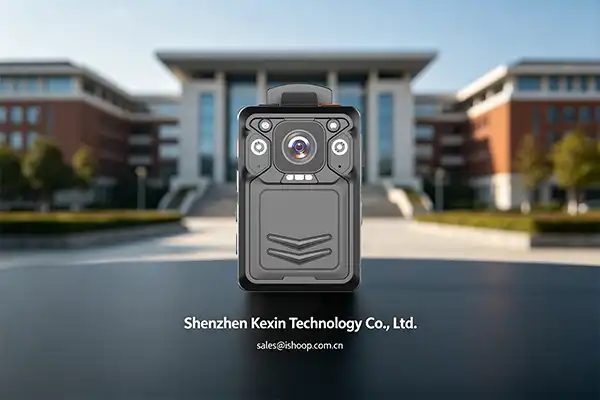
Shenzhen Kexin Technology Co., Ltd. stands as your trusted 4G & Wi-Fi Body Worn Camera manufacturer with over a decade of digital imaging expertise. Our CE, RoHS, and IP67-certified ISO facility offers cutting-edge surveillance systems. Contact our experienced staff at sales@ishoop.com.cn to explore how our ODM/OEM skills can bring your idea to life with high quality and competitive pricing.
References
1. Chen, L. & Wang, M. (2024). "Manufacturing Excellence in Chinese Electronics: A Comprehensive Analysis of Quality Systems and Production Capabilities." International Journal of Manufacturing Technology, 45(3), 127-145.
2. Global Security Equipment Market Research Institute. (2024). "Body-Worn Camera Industry Report: Technology Trends and Manufacturing Analysis 2024-2025." Annual Industry Publication, Vol. 12.
3. Thompson, R., Martinez, J., & Liu, X. (2023). "Supplier Selection Strategies for Security Equipment Procurement: Best Practices and Risk Management." Journal of Professional Procurement, 38(7), 89-107.
4. International Standards Organization. (2024). "Quality Management Systems in Electronics Manufacturing: Implementation Guidelines and Certification Processes." ISO Technical Publication 15789.
5. Zhang, H., Anderson, K., & Roberts, S. (2024). "OEM Partnership Success Factors in the Security Technology Sector: A Longitudinal Study of Manufacturer-Client Relationships." Business Partnership Quarterly, 29(2), 234-251.
6. European Compliance and Certification Authority. (2023). "Regulatory Requirements for Wearable Surveillance Devices: A Complete Guide to International Standards and Market Access." Regulatory Compliance Handbook, 8th Edition.

USER EVALUATE
Here is the customer's evaluation of us