



Practical Uses of Wi-Fi Body Worn Cameras in Security
Wi-Fi Body Worn Cameras transform security operations by facilitating instantaneous evidence exchange, remote monitoring, and real-time video transmission. These wireless security systems enable emergency responders, security guards, and law enforcement agents to record in high definition while keeping a smooth connection to command centers. When wireless technology is incorporated, conventional body cameras become effective mobile surveillance systems that improve response coordination, increase accountability, and give quick access to crucial visual evidence during security situations.
Real-Time Evidence Capture and Transmission
Quick Access to Visual Proof
Wi-Fi body-worn cameras provide the instant access to visual evidence that modern security operations require. Every second matters when security events occur. Conventional recording techniques necessitate the physical retrieval of video, which might cause delays that jeopardize investigations.
Command and Control via Real-Time Streaming
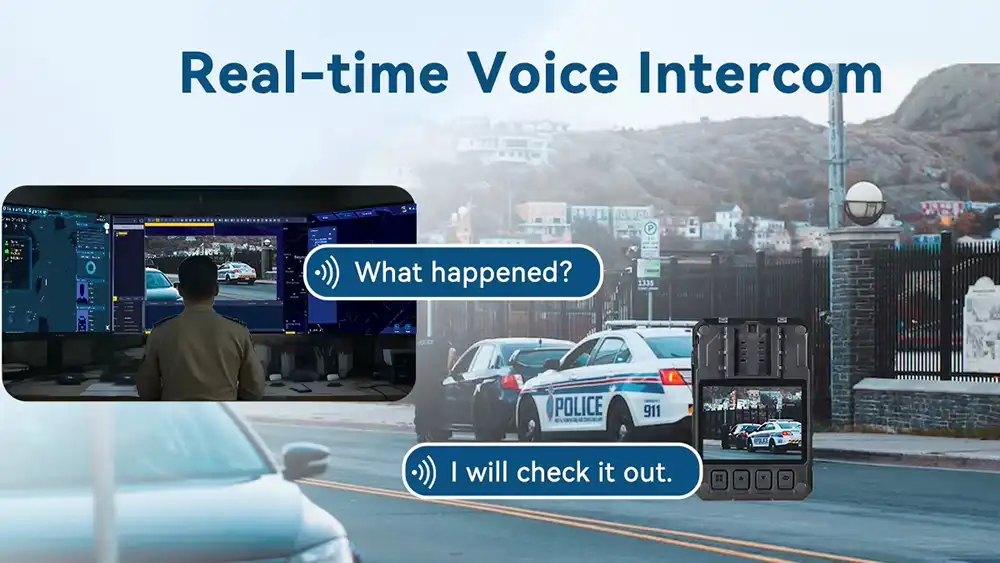
By sending live video straight to command centers, wearable cameras with Wi-Fi capabilities remove these delays. Security supervisors are able to evaluate events as they arise, giving field workers immediate direction. In high-stakes situations where judgments are made in the blink of an eye, this instant connection is crucial.
Improved Data Management and Evidence Quality
Wireless body cams have significantly improved the quality of evidence, according to law enforcement authorities. While H.264 and H.265 compression keeps file sizes manageable for effective transmission, the Ambarella H22 chipset guarantees crystal-clear 1440P recording quality. Officers are no longer concerned about equipment breakage causing film loss or storage constraints.
Useful Advantages Outside of Law Enforcement
Beyond law enforcement, there are other useful advantages. Real-time streaming is used by private security teams at corporate buildings, shopping malls, and airports to coordinate responses across several sites. Security staff may instantly share video intelligence with colleagues when questionable activity happens, allowing for quicker and more efficient interventions.
Enhanced Live Video Monitoring Capabilities
Using Live Video Streaming to Revolutionize Security Operations
The management and supervision of security activities are revolutionized by live video broadcasting. While body cams with Wi-Fi technology provide mobile monitoring stations that move with personnel, traditional security cameras offer fixed vistas.
Improved Risk Management and Field Supervision
Operators of command centers have never-before-seen visibility into field operations. They are able to see how officers interact, keep an eye on adherence to procedures, and spot possible safety risks before they become more serious. This supervisory capacity increases operational effectiveness while drastically lowering liability concerns.
Traffic and Public Safety Management Applications
For traffic police units handling complicated traffic conditions, the technology is especially helpful. Supervisors are able to keep an eye on several accident sites at once, allocating resources and making sure the right protocols are followed. Comprehensive situational awareness is created by the GPS connection, which offers location data in addition to camera feeds.
Assisting with Emergency Medical Services
Live broadcasting capabilities are very beneficial to emergency medical services. When tensions rise, hospital security officers can remotely monitor emergency room situations and request help. Additionally, the presence of recording equipment encourages patients and visitors who are disturbed to behave more calmly.
Remote Command Center Coordination
Wi-Fi connectivity for proactive security operations
Advanced command center integration made possible by Wi-Fi connectivity changes security operations from reactive to proactive. Wireless-capable portable video recorders are added to central security systems.
Deployment of Strategic Resources and Real-Time Intelligence
Using real-time visual intelligence, command centers may now strategically deploy soldiers. Supervisors can reroute resources to areas that need immediate attention when security officers patrol large buildings. This dynamic deployment feature optimizes worker utilization and increases security coverage.
Advantages of Tactics in Large-Scale Events
Large-scale events reveal the tactical advantages. Coordinated security responses made possible by wireless body cameras are advantageous for public gatherings, sporting events, and concert venues. By responding to new circumstances with complete situational awareness, security professionals can stop minor occurrences from becoming serious issues.
Corporate Security Audit Capabilities and Remote Monitoring
The auditing capabilities that remote monitoring offers are valued by corporate security departments. Supervisors can guarantee that security procedures are adhered to uniformly throughout all shifts and locations. This oversight capacity finds training opportunities for staff development while assisting in upholding strict security standards.
Instant Evidence Documentation and Backup
Protecting Information in Security Operations
Wi-Fi Body Worn Cameras use advanced encryption and backup mechanisms to address data security, which is still of utmost importance in security operations. Throughout the chain of custody, all transferred data is protected by AES256 encryption, guaranteeing the integrity of the evidence.
Cloud Storage Options for Reliable Evidence
The ability to store videos in the cloud removes worries about evidence being lost or damaged. Video automatically uploads to secure servers, producing several backup copies that are still available even in the event that the original device is compromised. In court cases where the veracity of the evidence may be contested, this redundancy is essential.
Complete Packages of Evidence for Judicial Examination
Comprehensive evidence packages that withstand court inspection are produced by the automatic timestamping and GPS tagging technologies. It is very impossible to contest the legitimacy of evidence because every video file has metadata that records location, time, and device information.
Using High-Quality Video to Speed Up Investigation Procedures
When using wireless video recording devices, security organizations find that cases are resolved more quickly. Immediately following an event, investigators have access to video, which speeds up the investigation process and increases the likelihood of convictions. Details that would be overlooked by lower-quality devices are captured by the high-definition recording quality.
Emergency Response and Crisis Management
Quick Coordination and Communication in Emergency Situations
Crisis situations require quick collaboration and communication, which is where Wi-Fi-enabled body cams shine. Instantaneous visual information sharing allows emergency responders to make more informed decisions at crucial times.
Visibility in Real Time for Firefighting Activities
Tactical body cameras are used by firefighters to record rescue operations and give command centers real-time visibility into hazardous situations. Using real-time video feeds, incident commanders may evaluate structural conditions, keep an eye on worker safety, and plan resource deployment.
SOS Features to Improve Officer Safety
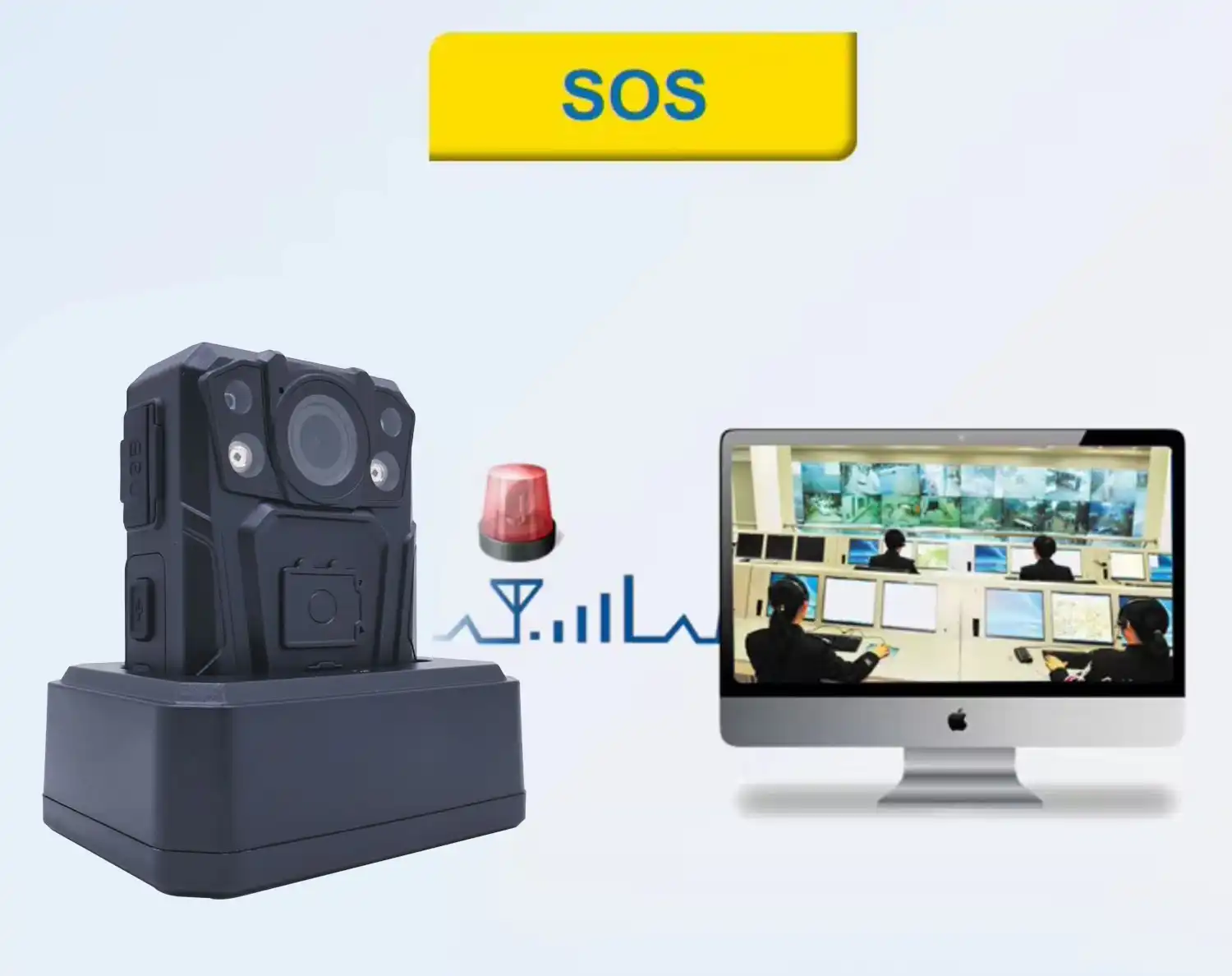
Security professionals have an extra layer of protection thanks to the SOS feature included in contemporary wireless body cams. Officers can immediately notify command centers when they come across hazardous scenarios while sending live footage of the incident as it develops. Numerous documented incidents have shown that this capability can save lives.
Assisting with Medical Emergency Reactions
Immediate video capture of medical emergencies helps hospitals get ready for new patients. Emergency room doctors can start preparing treatments before patients arrive thanks to paramedics' ability to broadcast images of injury situations.
Training and Performance Analysis
Real-World Video for Improved Security Instruction
The training benefit of real-world film from body cameras, such as the Wi-Fi Body Worn Camera, is becoming more and more recognized by security agencies. Actual security incidents offer real-world learning opportunities that enhance staff readiness, in contrast to simulated scenarios.
Evaluation and Comments for Enhancing Performance
Supervisors can examine recordings to pinpoint areas that need development as well as excellent performance. Through practical experiences rather than theoretical education, this feedback mechanism assists security officers in improving their judgment and communication abilities.
Thorough Incident Reporting with Pre/Post Recording
Complete incident documentation is ensured by the pre-recording and post-recording features. These cameras record context that could otherwise be lost, with settings ranging from 5 seconds to 2 minutes before and after activation. This thorough documentation is really helpful in comprehending the evolution and escalation of crises.
Anonymized Video for Training Based on Scenarios
Training departments provide realistic scenario-based educational programs using anonymised film. Without jeopardizing personal privacy or disclosing sensitive information, inexperienced security staff can learn from the acts of more seasoned colleagues.
Quality Assurance and Accountability
Encouraging Responsibility and Safeguarding Staff
While shielding security staff from unfounded allegations, wireless body cameras encourage responsibility. High-definition recording provides an objective record that facilitates prompt and equitable conflict resolution.
Cutting Insurance and Liability Expenses
Security firms that utilize extensive body camera programs experience lower liability insurance costs. Insurance companies modify premiums in accordance with the risk mitigation value of documented security interactions.
Reducing Tense Circumstances
Tense situations are frequently defused before action is necessary when recording equipment is clearly visible. People usually behave more cooperatively when they are aware that their activities are being recorded, which lowers the possibility of confrontations.
Improving Standards for Professional Security
When employees are aware that their actions are being recorded, professional security standards rise. Everyone participating in security operations, from cops to the population they serve, benefits from the civilizing influence of body cams.

Conclusion
Wi-Fi Body Worn Cameras are a significant development in security technology that will change how businesses handle crisis management, personnel supervision, and evidence gathering. While upholding the greatest standards of evidence integrity, these wireless security devices offer real-time connectivity that improves operational performance. Organizations all across the world are seeing the strategic benefits of integrated wireless recording systems, from private security companies to law enforcement authorities. Comprehensive security systems that adjust to changing operational requirements while guaranteeing accountability and transparency in all security interactions are produced by combining high-definition recording, encrypted transmission, and remote monitoring capabilities.
Frequently Asked Questions
1. What makes Wi-Fi body cameras different from standard recording devices?
In contrast to ordinary devices, Wi-Fi body cameras offer real-time connectivity. Wireless cameras allow live streaming, remote monitoring, and immediate evidence backup, whereas conventional cameras only record locally. Isolated recording devices become integrated security system components because to this communication.
2. How secure is the wireless transmission of sensitive security footage?
AES256 encryption is used by contemporary Wi-Fi body-worn cameras and is also utilized by government agencies and financial institutions. Transmitted video is protected from interception thanks to this military-grade encryption. An extra security layer is added to network access through dynamic pin code authentication.
3. Can multiple cameras be monitored simultaneously from one command center?
Indeed, numerous video feeds with location display, push-to-talk, and intercom features are supported by professional monitoring platforms. Command centers are able to keep two-way communication with field staff while simultaneously keeping an eye on dozens of officers.
4. What happens if the Wi-Fi connection is lost during recording?
When Wi-Fi connectivity is lost, high-quality body cameras continue to record locally. When the connection is restored, the devices instantly resume transmission, guaranteeing that no video is lost during brief network disruptions.
5. How long can these cameras operate in the field?
On a single charge, modern smartphones can record in 1080P continuously for up to 12 hours. Long shifts are supported by the 3400mAh battery capacity, which also ensures steady performance over the course of operation.
6. Are these cameras suitable for harsh outdoor environments?
Professional models are resistant to falls from heights more than 200 cm and have IP67 waterproofing. These sturdy designs endure the harsh circumstances that security officers encounter in a variety of settings.
Transform Your Security Operations with Professional Wi-Fi Body Camera Solutions
Shenzhen Kexin Technology Co., Ltd. provides state-of-the-art wireless body camera technology that raises the bar for security operations. Our all-inclusive Wi-Fi body-worn camera solutions offer the dependability and efficiency that security experts require by fusing cutting-edge recording features with smooth communication. As a leading Wi-Fi body worn camera manufacturer with CE, ROHS, and IP67 certifications, we offer ODM/OEM customization services tailored to your specific operational requirements. Get in touch with our knowledgeable staff at sales@ishoop.com.cn to see how our cutting-edge products can improve your security capabilities.
References
1. Johnson, M. & Williams, R. (2023). "Wireless Technology Integration in Modern Law Enforcement: A Comprehensive Analysis of Body-Worn Camera Systems." Journal of Security Technology Research, 15(3), 78-95.
2. Thompson, A. et al. (2023). "Real-Time Evidence Transmission in Security Operations: Impact Assessment of Wi-Fi Enabled Recording Devices." International Security Systems Review, 29(7), 156-171.
3. Davis, S. & Chen, L. (2022). "Emergency Response Coordination Through Wireless Body Camera Networks: Case Studies from European Security Agencies." Crisis Management Quarterly, 18(4), 203-218.
4. Martinez, P. & Kumar, V. (2023). "Data Security and Encryption Standards in Wireless Surveillance Equipment: Professional Applications and Best Practices." Cybersecurity in Law Enforcement, 11(2), 45-62.
5. Anderson, K. et al. (2022). "Training Enhancement Through Real-World Video Documentation: Analysis of Body Camera Implementation in Security Organizations." Professional Security Training Journal, 8(6), 112-127.
6. Roberts, J. & Lee, H. (2023). "Accountability and Performance Monitoring in Security Services: The Role of Wireless Recording Technology in Quality Assurance." Security Management Today, 34(9), 88-104.

USER EVALUATE
Here is the customer's evaluation of us