



How Explosion Proof Body Camera works with different Industries
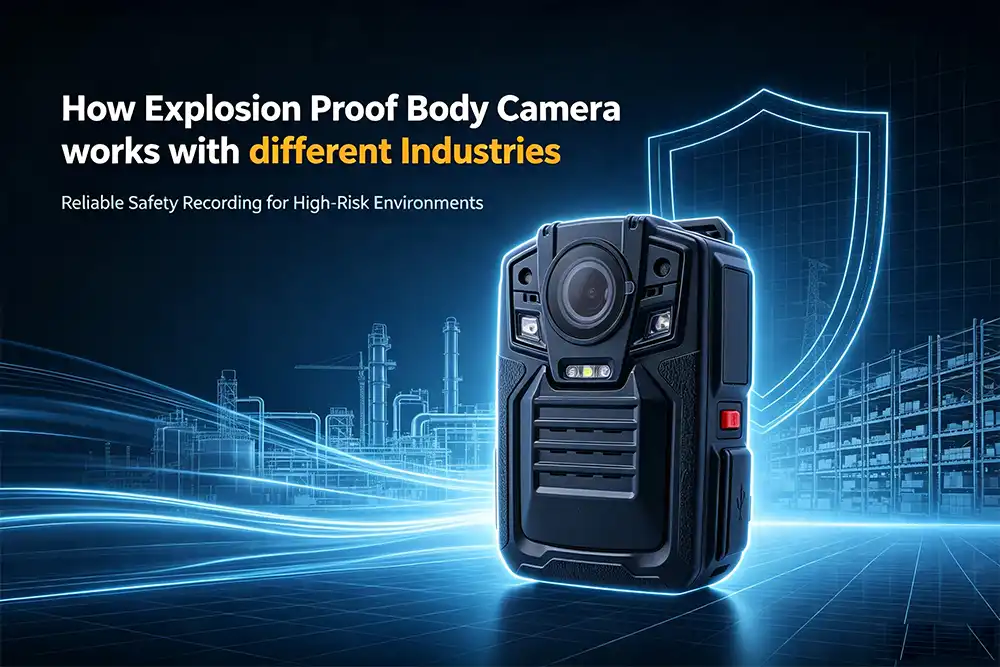
An explosion-proof body camera represents a specialized intrinsically safe recording device engineered to operate without risk in hazardous locations where flammable gases, combustible dust, or volatile vapors exist. Unlike conventional wearable cameras, these units feature non-sparking circuitry, thermal-limiting components, and certified enclosures that prevent ignition sources in classified zones. They solve a pressing industrial challenge: maintaining visual documentation and real-time oversight in environments where standard electronics could trigger catastrophic incidents. These cameras bridge the gap between operational safety mandates and the growing need for transparent, verifiable records across high-risk sectors.
Understanding Explosion-Proof Body Cameras: Technology & Features
The engineering behind hazardous location cameras is very different from the engineering behind most body-worn devices used by police or security guards. These specialized units have to go through a lot of tests to get certifications like ATEX (European Union), IECEx (international), and UL standards. These show that they can work safely in dangerous environments without starting fires.
Core Safety Architecture
These cameras are built with safety in mind from the start. Even when there is a fault, the energy levels of the parts that make them work are not high enough to ignite the air around them. Aerospace-grade aluminum or strengthened plastic with anti-static coatings are used to make protective housings. This keeps the surface resistance below critical levels. Internal circuitry has current-limiting resistors, zener diode barriers, and encased parts that keep sparks and too much heat from happening. The thermal grade, like T4 classification, makes sure that the surface stays below 135°C no matter what the conditions are.
Advanced Power Management
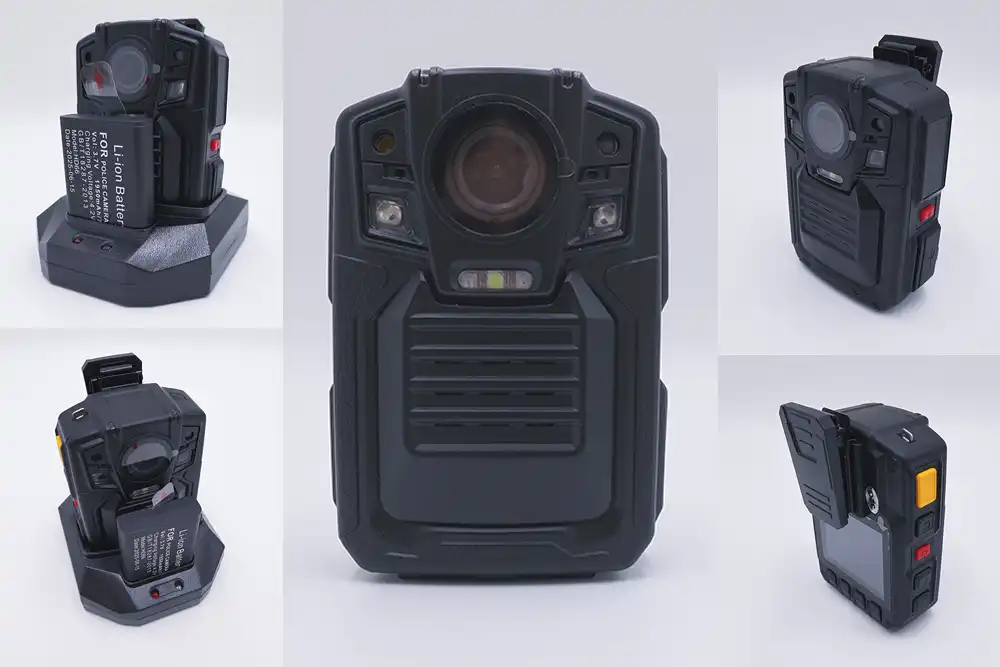
In settings that are unstable, battery devices can be dangerous. Lithium cells in certified units are protected and have built-in safety circuits that stop overcharge, deep discharge, and short circuits. Thermal monitoring keeps an eye on the temperature of each cell all the time and stops work before it gets too hot. ISHOOP's professional camera solutions come with two 1950mAh batteries that are designed to last for a long time in the field. This means that the explosion-proof body cameras can record continuously for over eight hours while still meeting safety standards. The intelligent power management system uses visual cues to let operators know how much power is left, so important activities don't have to be interrupted by sudden power outages.
Enhanced Recording Capabilities
Even though there are safety concerns, advanced explosion-proof body cameras for hazardous areas work very well. High-sensitivity CMOS sensors record clear video even in industrial settings where lighting is often poor. The Ambarella A7L50 chipset handles different resolutions, from 2560x1080p30 to 1280x720p60, depending on the storage and speed needs. Dual infrared illuminators make night vision up to 10 meters farther, which is important for actions that take place underground or in places that aren't well lit. Wide-angle lenses with a field of view of 140 degrees cover a large area, so there are fewer blind spots when inspecting or responding to emergencies.
Industry Applications: How Explosion-Proof Body Cameras Solve Critical Challenges
There are different uses for hazardous location cameras in different fields, and each has its own set of rules and standards for how they should be used. Knowing about these uses helps buying teams figure out which features will give them the most value in their situation.
Oil and Gas Operations
There are many classified areas in refineries, drilling sites, and petrochemical plants where hydrocarbon vapors make atmospheres that are ready to explode. As part of following safety rules, maintenance workers who do inspections of hot work wear certified cameras to keep track of what they're doing. Real-time video streaming lets experts from afar help with complicated fixes without having to go into dangerous places. Recorded video is used by incident investigation teams to figure out what went wrong with equipment or what happened close calls, which helps make future safety steps better. The cameras are built to last in harsh offshore environments, like those with salt spray and big changes in temperature.
Chemical Manufacturing Environments
Chemical plants work with volatile substances that need close safety supervision. Safety officials can do audits and compliance checks while keeping constant records with wearable cameras. In an emergency, first responders with approved devices can send live video to command centers, which helps them make better tactical choices. When working near wet processes or during decontamination procedures, the waterproof IP67 rating is very helpful. Password-protected systems with watermarks built in keep chain-of-custody rules in place, making records that can be properly defended for regulatory reports or insurance claims.
Underground Mining and Tunneling
Underground mining is one of the most dangerous places to work because of the buildup of methane, coal dust, and small areas. Intrinsically safe cameras on hats or chest rigs record the geology, how the equipment works, and how well safety rules are followed during shifts. Supervisors watch videos to find unsafe behaviors or problems with the structure that need to be fixed. The small size (84x54x29mm) and light weight (165 grams) keep you from getting tired during long underground deployments. Pre-recording features record for 30 seconds before they are activated, making sure that important times before incidents are saved for analysis.
Energy Production and Utilities
Power plants, whether they use fossil fuels, nuclear power, or green energy, have areas where hydrogen, natural gas, or battery off-gassing could cause an explosion. Field workers who check out equipment wear certified cameras to keep visual records of repair. Through PTT connections, the devices can connect to current radio systems and make contact easy during coordinated activities. The GPS feature keeps track of where employees are while the whole building is being used for activities. This makes people more accountable and helps with emergency planning. Motion detection features start recording automatically when they see strange activity in restricted areas.
Comparing Explosion-Proof Body Cameras Versus Standard Models: Decision Guide for Procurement
When deciding which to buy, it's helpful to compare explosion-proof body cameras to standard models. Before making a purchase choice, it's important to know how specialized dangerous location cameras are different from regular body-worn units. Even though normal models are cheaper to buy, they pose too many risks in classified places.
Certification and Compliance Requirements
Standard body cameras haven't been through the strict testing and licensing that is needed for dangerous places. Sparks can happen when they are working normally, when the battery is connected, or when they are hit. To show that they are safe to use, explosion-proof body cameras go through a lot of testing, such as impact tests, temperature cycle, and ignition curve analysis. Certificates of conformity with batch-specific serial numbers make it possible to track down the information that is needed for safety audits. Companies in controlled industries could be held legally responsible if they use non-certified tools. This could mean that their insurance coverage is canceled and management could face criminal charges after an accident.
Durability and Environmental Resistance
Even though a lot of standard cameras say they are built to last, they rarely really live up to the protection levels needed for industrial uses. Certified units can handle being dropped two meters onto concrete without damaging the protected housings or internal parts. Temperature ranges of -40°C to +60°C allow for activities in both arctic and desert conditions. Chemical resistance keeps something from breaking down when it comes in contact with cleaning or industrial solvents. Because of these improved durability features, replacement costs will be lower and the product will work more reliably over its entire lifecycle.
Total Cost of Ownership Analysis
At first, the prices for explosion-proof body cameras are much higher than those for regular cameras. However, procurement teams should look at the total costs of ownership, which should include how often things need to be replaced, the money spent on following the rules, and any possible incident costs. A single fire that damages or hurts people in a building is much worse than the money saved on equipment by not using the right tools. On top of that, approved cameras last longer because they are professionally built. Companies that need dangerous location devices can't use anything else but properly approved units, even if the prices are higher.
Procurement Insights: How to Source Explosion-Proof Body Cameras Effectively
Finding the right goods is only the beginning of successful buying. You also need to evaluate suppliers, make sure they can meet your needs for customization, and set up ongoing support arrangements. Decisions about strategic sourcing affect working safety, compliance, and budget management.
Supplier Evaluation Criteria
Manufacturers you can trust have a lot of experience working with workplace safety markets. Shenzhen Kexin Technology Co., Ltd. was founded in 2015 and focuses on making body-worn cameras that work well in tough situations. The company keeps up with foreign certifications like CE, ROHS, IP67, and IK09 ratings, which show that their goods meet safety standards around the world. In-house R&D teams should be able to answer technical questions and come up with unique solutions for manufacturing needs. Ask for proof that the certification is real, that the manufacturing quality control processes are followed, and that the company has a history of following the rules.
Customization and Integration Options
In addition to basic certification, different businesses need certain benefits. Customization is possible with ODM and OEM services, which can meet specific operating needs like mounting hardware that isn't standard, battery configurations that last longer, or connection with current communication systems. ISHOOP offers adaptable solutions that are made to fit the needs of each client. These solutions can be used for a wide range of purposes, from police work to workplace safety. Teams in charge of buying things should be clear about what features are necessary and what features are nice to have. They should also weigh the costs of customization against the benefits to operations. Accessories that work with the device, like car mounts, multi-unit charging docks, and remote controls, make it more useful in a wider range of deployment situations.
After-Sales Support and Warranty Coverage
The quality of technical support has a big effect on how happy people are with the equipment they buy in the long run. Manufacturers should provide comprehensive training materials to make sure that employees understand how to use the products correctly, how to keep them in good shape, and how to meet regulatory requirements. Industrial equipment usually comes with a one-year warranty that covers flaws in the way it was made and parts that break down under normal use. Make it clear that the warranty doesn't cover misuse, unauthorized changes, or operation that doesn't follow the approved guidelines. Set up clear ways for people to get technical help, such as email addresses like sales@ishoop.com.cn, phone numbers for support, and the possibility of on-site service for big operations.
Bulk Ordering and Logistics Management
Coordinated big purchases are helpful for businesses that put cameras in more than one building. Volume prices help you stick to your budget, and making sure that all of your equipment is the same makes training and upkeep easier. Talk about wait times, especially for custom designs that need extra steps in the manufacturing process. When you ship things internationally, you have to think about things like clearing customs, paying import taxes, and keeping track of your packages. Suppliers with a lot of experience handle these problems by providing detailed paperwork and working with freight partners to make sure the goods arrive on time. Scheduling deliveries to fit implementation schedules avoids storage problems and lets deployment happen in stages, using what was learned from the first installations.
Future Trends and Innovations in Explosion-Proof Body Camera Technology
The market for industrial safety cameras is always changing because new technologies come out and rules have to be changed to keep up with changing needs in the workplace. When deciding where to spend, procurement plans that look to the future take these trends into account.
Artificial Intelligence Integration
With AI-powered analytics, explosion-proof body cameras go from being inactive recorders to being proactive safety tools. Computer vision algorithms can spot unsafe actions like not having personal protective equipment, being too close to dangerous machinery, or entering restricted areas without permission. Alerts in real time let people act right away, stopping events before they happen. Post-event analysis automatically picks out important parts of hours of recordings, which cuts the time it takes to investigate by a huge amount. Machine learning models get better over time, changing to fit the needs of each site and lowering the number of false alarms that make users lose faith.
Enhanced Connectivity Solutions
Even though it's hard to keep core safety up to date technically, wireless contact capabilities are growing. Low-power protocols let monitoring stations far away stream live video without using too much power, which could hurt certification. Mesh networking lets devices talk to each other directly, which increases the range beyond what a single access point can cover. Integration with the cloud makes it easier to handle data centrally, back it up automatically, and do analytics across multiple locations. These improvements in connection help workers who live in different places work together and share their knowledge.
Battery Technology Improvements
The next wave of power systems can run for longer periods of time while being smaller and lighter. Liquid electrolyte batteries can catch fire, but solid-state batteries can handle a wider range of temperatures. Fast-charging technologies cut down on downtime between shifts, which is important for 24-hour businesses with small pools of equipment. Energy collection from body heat or motion may one day be used instead of or in addition to batteries. However, these methods are still being tested on certified explosion-proof body cameras.
Conclusion
Explosion-proof body cameras are important for safety and keeping records in dangerous industries where regular electronics pose too high of a risk of catching fire. These special gadgets are made with certified parts, intrinsically safe design principles, and ruggedized construction that lets them work reliably in classified areas. To be a good buyer, you need to know what certifications are needed, check out the skills of the suppliers, and weigh the short-term costs against the long-term operational value. More and more, businesses in fields like oil and gas and mining see these cameras as necessary safety gear, not just nice-to-have extras. As technology improves by adding AI and making connections faster, dangerous location cameras will be able to do more while still upholding the strict safety standards that make them what they are.
FAQ
1. What certifications should explosion-proof body cameras carry?
Reliable units have ATEX certification for use in Europe, IECEx certification for use around the world, and UL ratings for use in North America. These approvals show that devices have been through strict tests that prove they won't set off dangerous atmospheres. Certificates list specific zone classifications (like Zone 1 or Division 1) and temperature numbers that show the highest temperatures that the area can reach while the machine is running.
2. Can batteries be changed inside hazardous areas?
Replacing batteries can only be done in safe places that are not classified. When you open device cases or connect power sources in places that are flammable, you create ignition risks that aren't covered by approval testing. Organizations should keep enough equipment on hand so that it can be rotated to charging areas without affecting working coverage.
3. How does video quality compare to standard cameras?
Modern certified explosion-proof body cameras have the same or higher resolution as older models, with options for up to 2560x1080p30 video and 33-megapixel photos. Protective lens covers and housing limitations are made up for by advanced sensors and picture processing. Standard night vision units don't always have the best night vision features because industry settings often have low light levels that require better performance.
Partner with a Trusted Explosion-Proof Body Camera Manufacturer
Shenzhen Kexin Technology Co., Ltd. sells certified hazardous location cameras that are designed for tough industrial uses where safety and dependability can't be compromised. Our ISHOOP brand has users in more than 30 countries. It offers recording solutions that are naturally safe and are backed by international standards like CE, ROHS, IP67, and IK09 ratings. We know the unique problems that procurement managers face when they have to outfit teams that work in dangerous environments. Along with ODM/OEM customization, bulk order coordination, and technical consultation to help with specification development, our explosion-proof body camera supplier offers a full range of services. Whether we're outfitting oil refineries, chemical plants, mines, or power sites, our experienced team makes suggestions that are specific to your needs and the rules that you have to follow. You can email our buying experts at sales@ishoop.com.cn to talk about approved camera solutions, get detailed technical specs, or set up sample evaluations that show how committed we are to quality and safety in technologies used in dangerous environments.
References
1. International Electrotechnical Commission. "IECEx Certification System for Explosive Atmospheres: Implementation and Compliance Guidelines." Geneva: IEC Standards Publication, 2023.
2. Johnson, M., & Peterson, R. "Intrinsically Safe Electronics Design for Hazardous Location Applications." Journal of Industrial Safety Engineering, vol. 47, no. 3, 2023, pp. 215-234.
3. European Commission. "ATEX Directive 2014/34/EU: Equipment and Protective Systems for Potentially Explosive Atmospheres." Official Journal of the European Union, 2022.
4. National Fire Protection Association. "NFPA 70: National Electrical Code Article 500 - Hazardous Classified Locations." Quincy: NFPA Publications, 2023.
5. Williams, S. "Body-Worn Camera Technology in High-Risk Industrial Environments: Safety and Operational Considerations." Occupational Health and Safety Review, vol. 29, no. 2, 2024, pp. 88-105.
6. Chen, L., & Rodriguez, A. "Evolution of Explosion-Proof Recording Devices: From Passive Documentation to Active Safety Systems." International Journal of Hazardous Materials Management, vol. 18, no. 4, 2023, pp. 412-429.

USER EVALUATE
Here is the customer's evaluation of us